
Thumb Art Spark initiative connects artists, communities, and businesses ahead of 2027 public art celebration
Planned for September 2027, the Thumb Art Spark Celebration will bring communities across the region to highlight existing public art, showcase new projects, and give residents and visitors new ways to explore the places where they live.
The Community Correspondent role provides readers with on-the-ground and inclusive stories about the Port Huron area. This is made possible through funding provided by the Community Foundation of St. Clair County.
Public art has a way of becoming part of a place without people even noticing.
It could be a mural on the side of a downtown building, a painted water tower, or a sculpture outside a business—all adding to a city’s cultural atmosphere with little thought about their presence or importance.
Next September, communities across Michigan’s Thumb counties will have a chance to look at those works a little differently.
The Thumb Art Spark Celebration is planned for September 2027, bringing communities across the region together to highlight existing public art, showcase new projects, and give residents and visitors new ways to explore the places where they live.
The celebration is still more than a year away, but the work leading up to it is already underway.
Thumb Art Spark, an initiative connecting artists, businesses, municipalities, and community foundations across the Thumb and parts of Macomb County, is helping communities identify potential public art projects, connect with artists, and find ways to fund them.
At the same time, organizers are building an interactive map of public art throughout the region that they hope will eventually become a series of trails for the celebration.
A Celebration Two Years in the Making
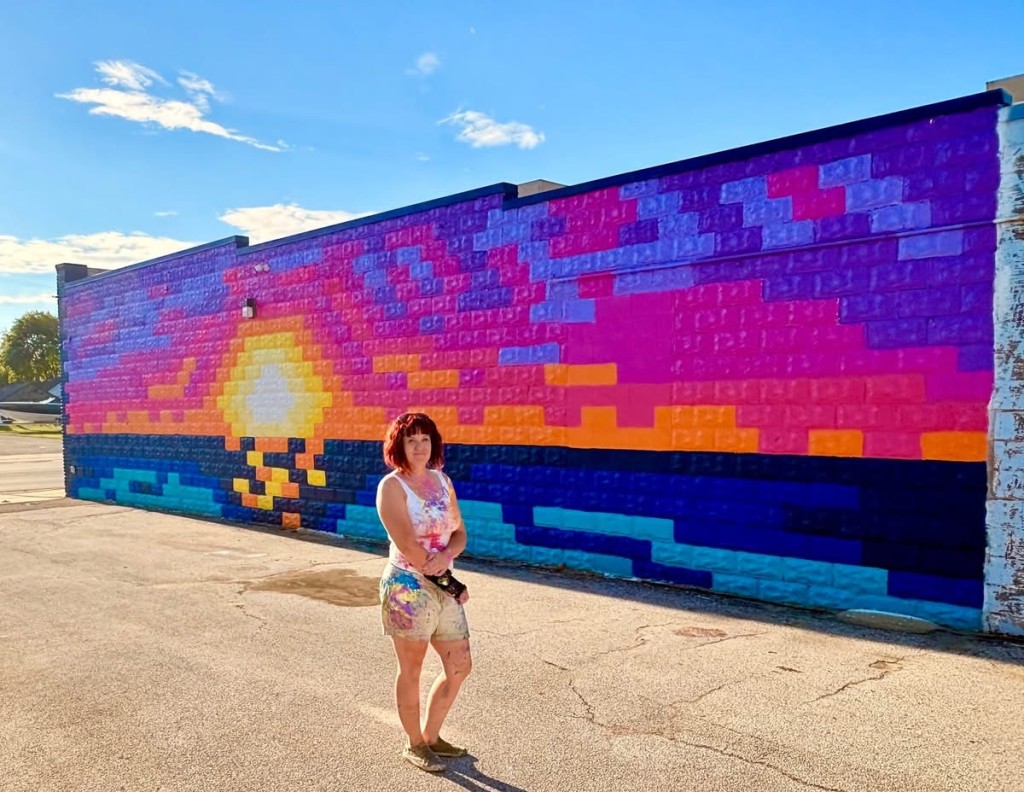
For Jody Parmaan, who created Thumb Art Spark, the idea started with a blank garage wall in Port Huron.
Parmaan looked at the wall and imagined what could be there. The building’s owners, Michigan Mutual, agreed to let her organize a mural project. Rather than painting it herself, she created a contest that allowed artists to submit designs, and she eventually selected one that a local muralist brought to life.
That project became the beginning of something larger.
“I love going to bigger cities like Detroit, and you’re just driving down a road, and it’s just mural and sculpture and mural,” she says. “I love that. I thought, you know, I want that for my town.”
As more people approached her with public art projects, Parmaan became a connector between communities and artists. That eventually caught the attention of the Community Foundation of St. Clair County, which asked Parmaan to take that work beyond her own community and across the Thumb.
The result was Thumb Art Spark, which brings together St. Clair, Lapeer, Sanilac, Tuscola and Huron counties, along with Macomb County through its broader community foundation territory.
Now, the work is building toward the 2027 celebration.
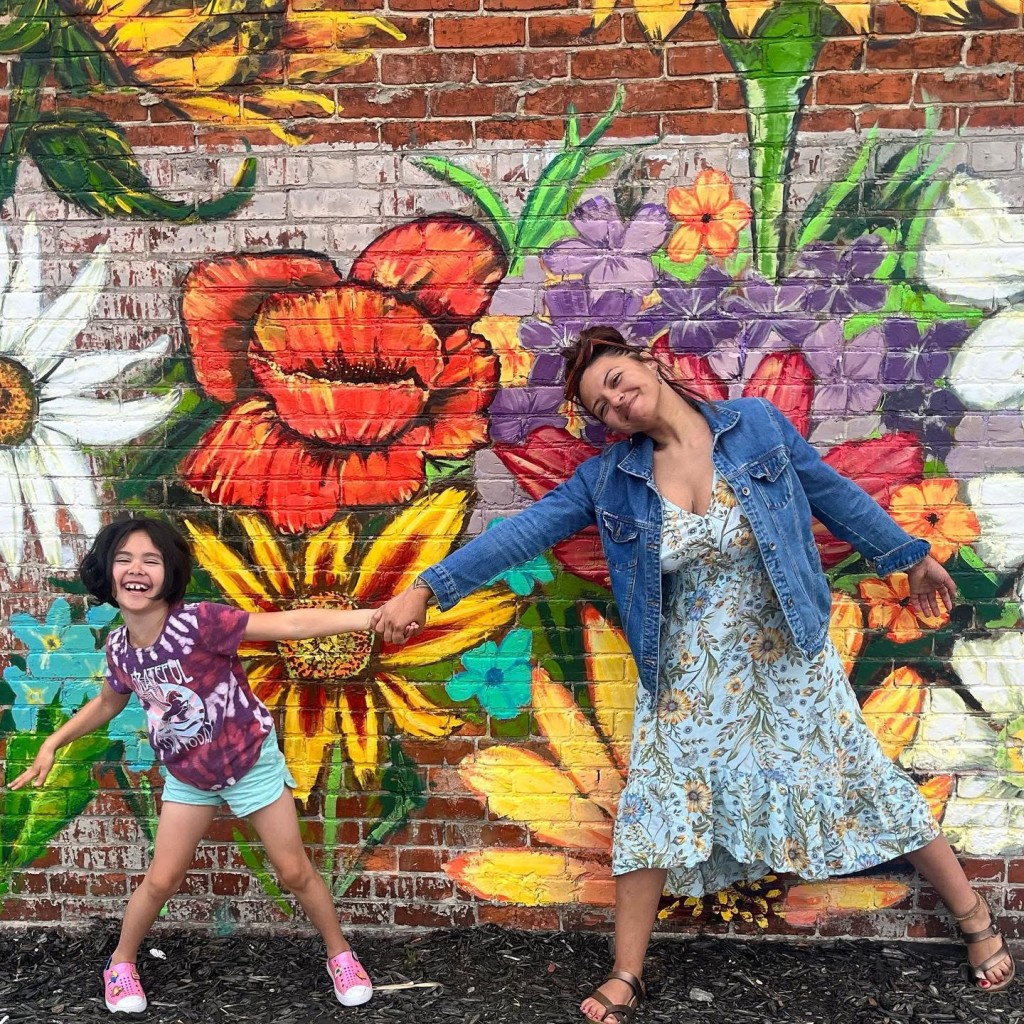
Each county is developing projects based on its own community needs and culture, while also figuring out how it wants to participate in the larger regional event.
In Lapeer County, Nancy Boxey, who represents the county through the initiative, says communities are already discussing what a week-long celebration could look like, hoping to plan workshops, entertainment, art sales, and more.
“Come learn fiber art. Come engage in painting,” Boxey says, describing some of the possibilities. “Maybe having an art show at our gallery…I think of Ann Arbor Art Fair, but having local art available, or even a sidewalk chalk contest.”
Other possibilities could include student art projects and opportunities for people to interact with art in their own communities.
The goal isn’t necessarily one large event in one location. Instead, organizers envision people moving throughout the region, using the celebration as an opportunity to discover existing public art and experience new projects.
Mapping the Art Already Here
A major part of making that possible is the Thumb Art Spark map.
Parmaan has been adding existing public art to the interactive map while encouraging residents and others to contribute pieces they’ve discovered. The map includes murals, sculptures, and other works, as well as pieces that might not immediately be thought of as public art.
People can mark pieces they’ve visited, upload photos, and keep track of what they’ve found.
As more art is added, Parmaan hopes to use the map to create trails based on different interests.
“You’re interested in murals. Well, if you take this 10-minute walk, you’re going to hit six murals,” Parmaan says.
Those trails could eventually become part of the 2027 celebration, giving visitors a way to explore the region beyond a traditional festival or single event.
The map is also designed to encourage a little competition and curiosity. Users can form teams and collectively fill in counties on the map, while other challenges encourage people to investigate notable public art and landmarks throughout the region.
For Parmaan, the goal is to make discovering public art feel less like checking something off a list and more like exploring.
“Public art is all about placemaking and culture,” Parmaan says.
Making Room for More
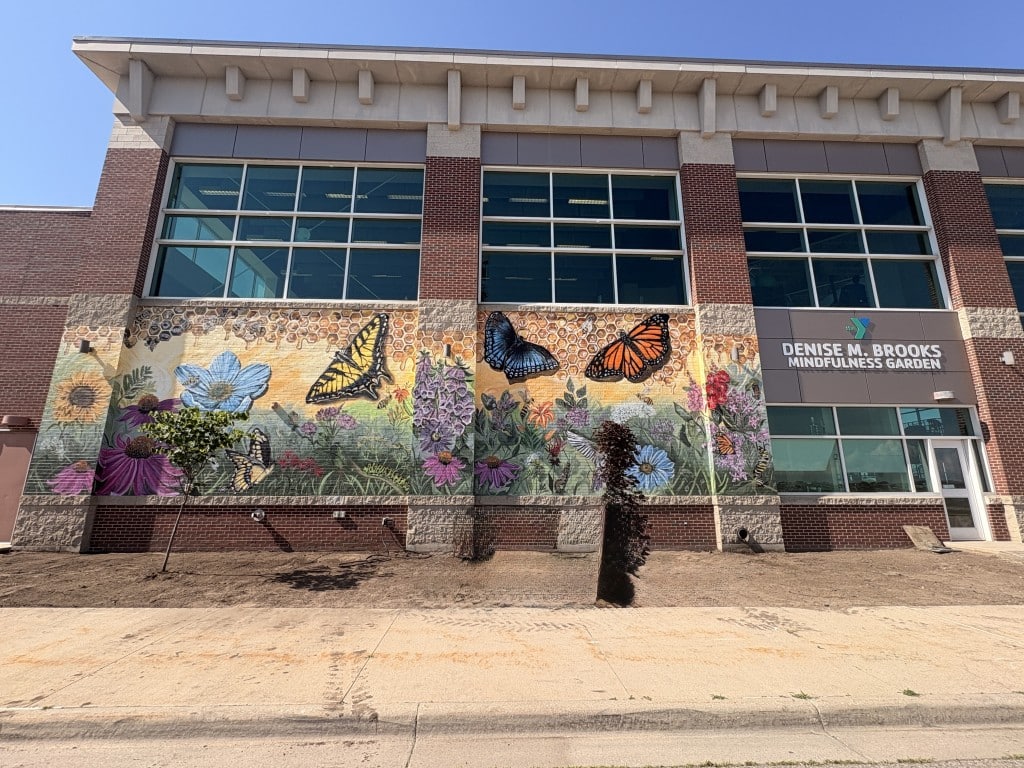
While documenting existing art is one part of Thumb Art Spark, organizers are also working to make it easier for communities to create new pieces.
Boxey describes the initiative as having three main components: getting existing public art onto the website, connecting local artists with potential projects, and helping communities identify what kinds of art they want to see.
That can mean finding an artist for a mural, identifying a location for a sculpture, or even figuring out how to transform something as ordinary as a water tower.
“I had a conversation with a city just recently that wants to paint their water tower, and what could that look like?” Boxey says.
The project also helps address some of the less glamorous — but often more complicated — parts of creating public art, from paperwork and agreements to questions about how much a project might cost.
“The site is about making those connections. It’s about removing some of those roadblocks and hurdles that artists and business owners have as far as you know. What paperwork do I need? What agreement do I need? What does a mural cost?” Parmaan says. “The idea is to remove as many little blocks as possible and make as many connections as possible and get people excited about public art.”
For Boxey, that work also means looking beyond traditional municipal art.
The initiative encourages communities to recognize art in businesses, libraries, post offices, parks and other places people may already visit.
In Lapeer County, Boxey points to the White Horse Inn in Metamora, where a French artist painted a mural inside the historic restaurant, as well as businesses with murals and sculptures.
“You can walk into that restaurant and take a look at it,” Boxey says. “It is public art.”
The project is also encouraging people to look at familiar places differently. “You know, Seven Ponds Nature Center in Lapeer County has this incredible A-frame bridge. If you’ve ever been out to see…that’s art,” Boxey says.
Building Toward 2027
For now, Thumb Art Spark is still in its building stage.
Communities are adding pieces to the map, finding artists, identifying potential projects, and figuring out what they want their own participation in the 2027 celebration to look like.
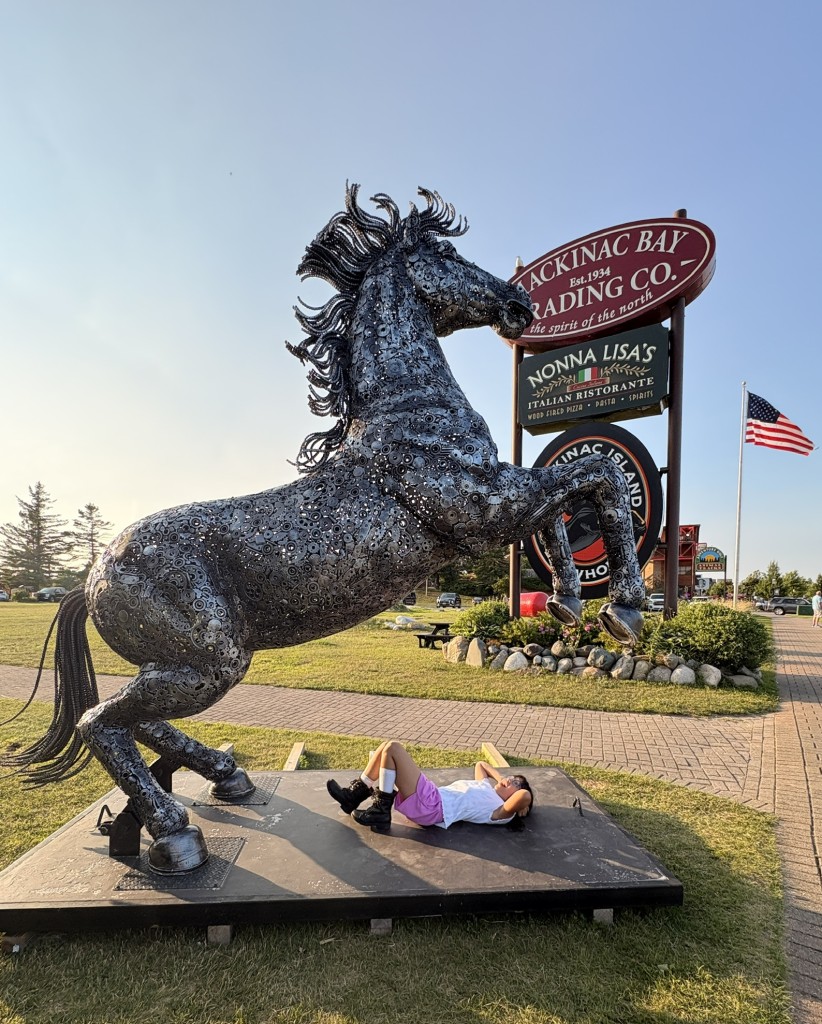
In Lapeer County, downtowns including Lapeer and Imlay City are already talking about what they could offer during the celebration, while other communities are at earlier stages of planning. And while the event may still be more than a year away, organizers are encouraging residents to start participating now.
Anyone can help identify public art and add it to the map, giving organizers a better picture of what’s already scattered throughout the region and helping shape the trails and experiences that will eventually be part of the celebration.
For Boxey, that process is about more than simply making a list of things to see.
“It is that sense of place,” Boxey says. “It’s your sense of who your community is.”
She adds, “I think that art is reflective of our past, but also our present. And I think art’s just so unique to every community.”
By September 2027, organizers hope the map will have grown, new public art will have been created, and residents will have plenty of reasons to explore the region.
But the celebration is already beginning in a sense: communities are taking stock of the art around them, artists are finding new opportunities, and residents are being encouraged to look a little closer at the places they call home.
“Everyone can get engaged,” Boxey says. “Make sure your city or town or favorite piece of art is on the map, because now it’s not a hidden gem. Other people know about it.”
Author
Related Articles
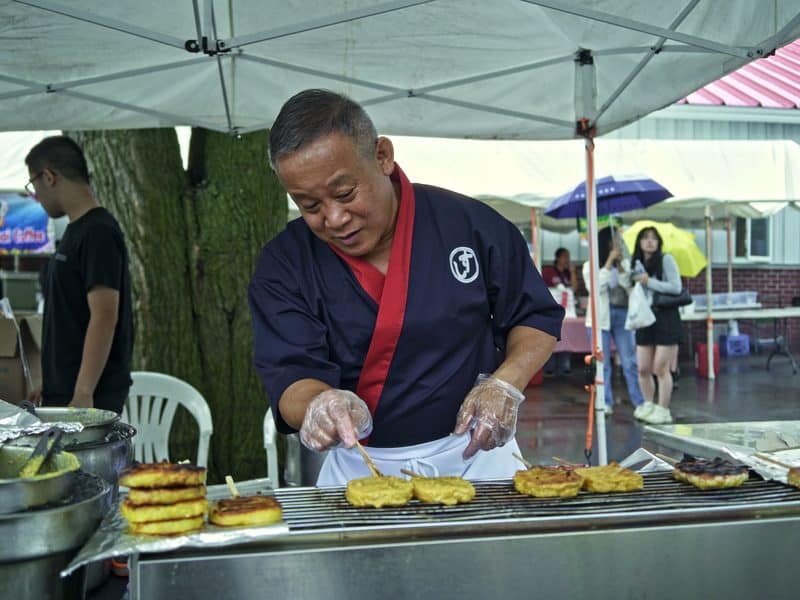
How this Warren Thai market keeps Southeast Asian immigrants connected to home
At the Midwest Buddhist Meditation Center in Warren, a weekly Thai market helps Southeast Asian immigrants maintain cultural connections while introducing visitors to foods and traditions rarely found in local restaurants.
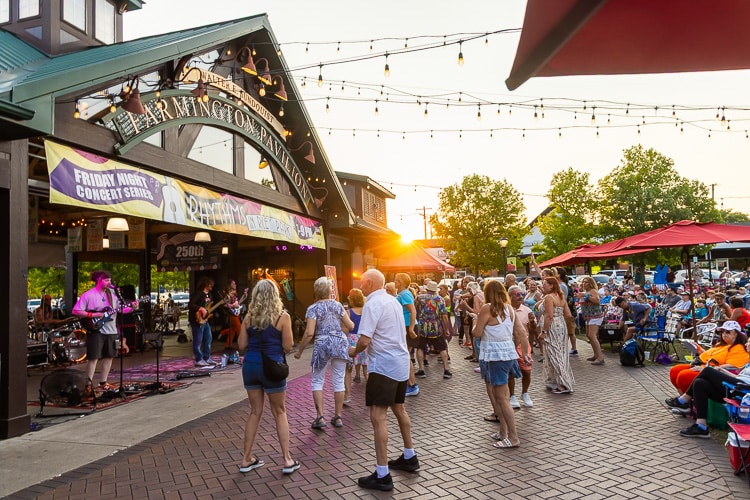
Partner Partner Content Creativity and community come together at Farmington’s new Art Park Promenade
Farmington’s Art Park Promenade connects Riley Park with the Hillside Townes development through a pedestrian-friendly space filled with landscaping, seating, and public art.
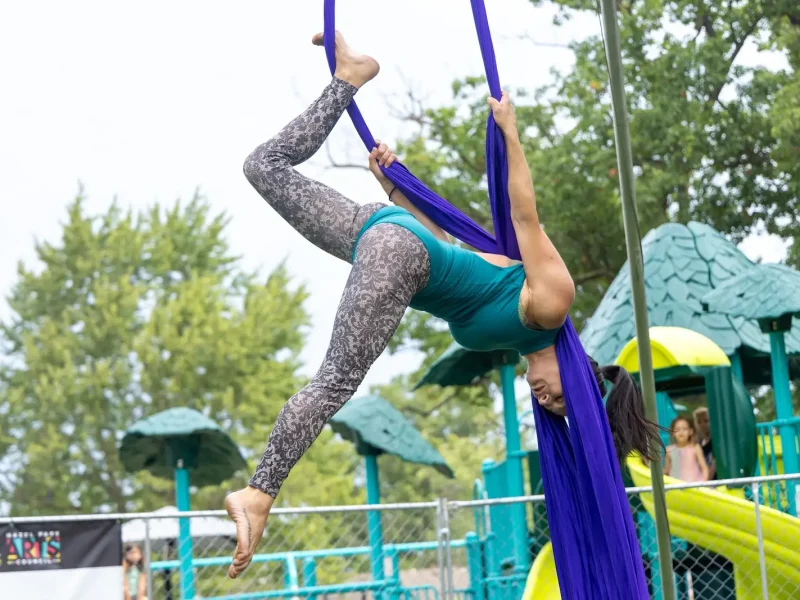
Hazel Park’s annual Art Fair is highlighting over 100 local artists this weekend
This year’s Hazel Park Art Fair, from August 22 to August 23, will feature over 100 local artists, food trucks, yard games, morning yoga, a charity beer tent, and much more.


