
How Highland is building a sense of downtown, one garden at a time
Downtown Highland’s Adopt-a-Garden is part of the Main Street Oakland County community’s mission to encourage walkability, uplift local businesses and encourage placemaking, pride and ownership to its residents.
This story is part of a series, powered by Main Street Oakland County (MSOC), highlighting the history and heritage events, economic development, housing, infrastructure and growth, nature and outdoor assets, and more throughout Highland Township, Lyon Township, South Lyon, Milford, and Wixom.
Highland Township’s downtown includes historic wooden buildings, homes converted into businesses and open spaces between them. In this less traditional downtown, gardens are part of the Highland Downtown Development Authority’s (DDA) effort to encourage walking and give residents a role in caring for the district.
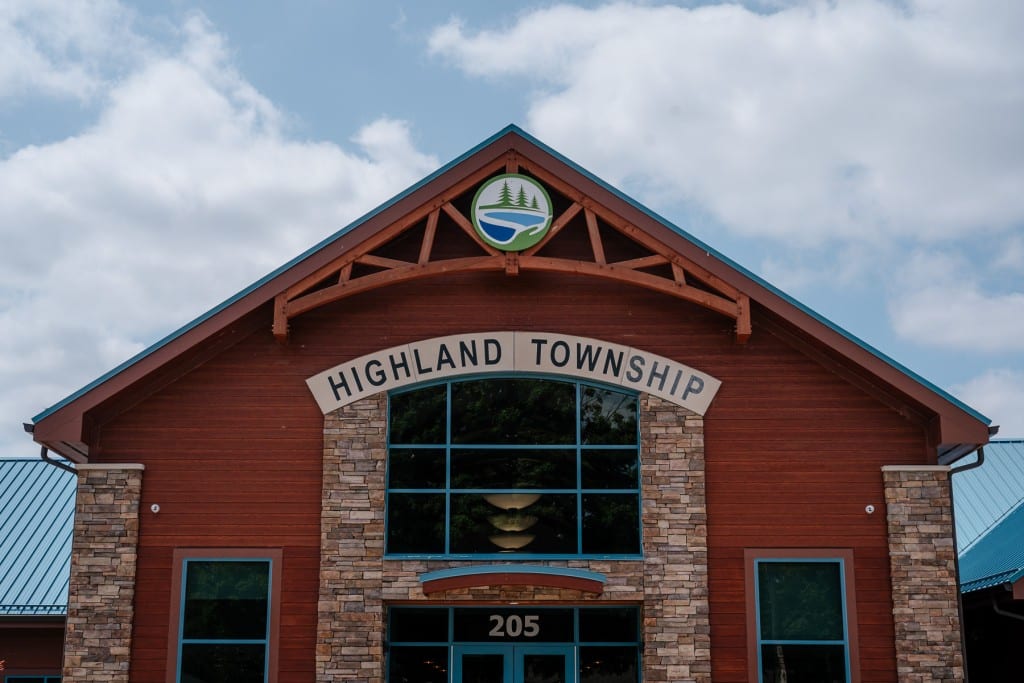
Through its Adopt-a-Garden program, the DDA provides plants and materials while volunteers help plant and maintain downtown gardens.
Missy Dashevich serves as executive director of the DDA. The DDA uplifts local businesses, promotes economic growth, and preserves the history of Highland Station and the broader district. As a Main Street Oakland County member) the DDA is dedicated to creating a welcoming downtown experience with an impact that reaches beyond their border.
“We have a unique character, rather than the traditional contiguous look of architecture — which makes prioritizing walkability even more important,” Dashevich says.
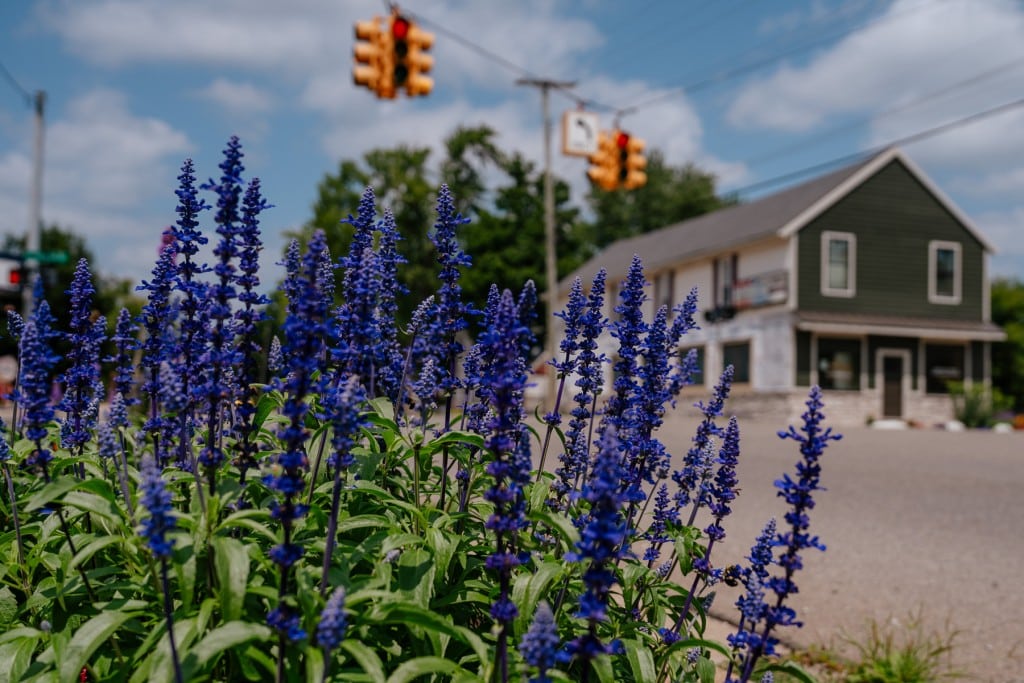
Downtown’s core borders Highland Recreation Area, which has more than 5,900 acres and 44 miles of trails. Three native gardens on Livingston Road reflect that natural setting, she says, and volunteers with an interest in native plants have adopted them.
Closer to the downtown core, more formal gardens mix native plants with colorful annuals throughout spring, summer and fall. The gardens are maintained from April through October, with 1,000 to 2,000 tulip bulbs planted each year.
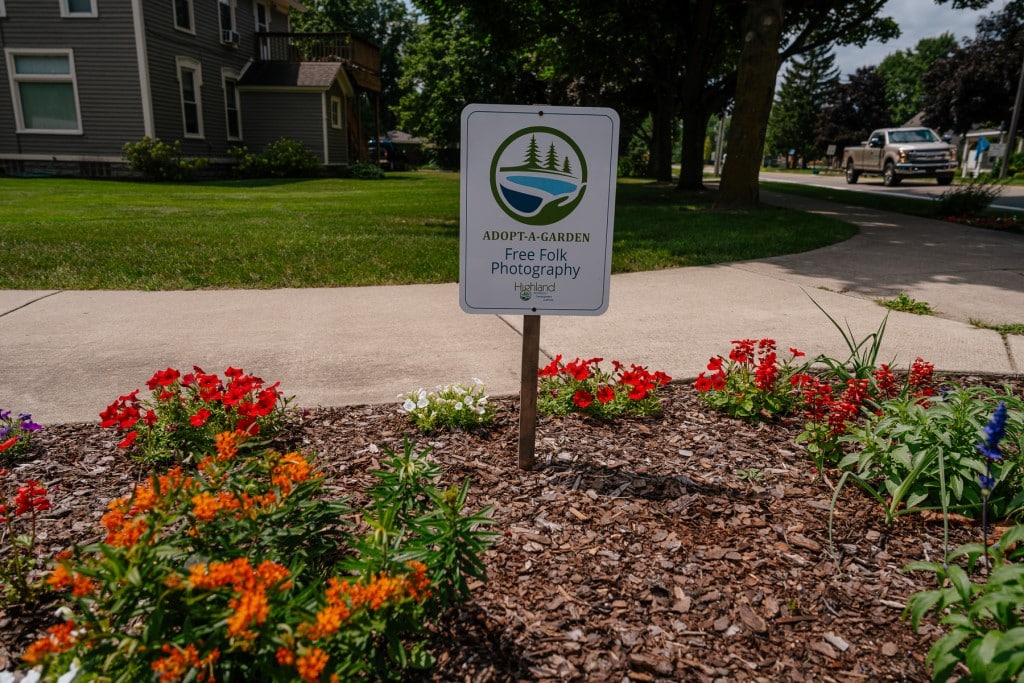
Cassie Blascyk serves on the DDA board, chairs its design committee and oversees the gardens. The design committee brings together residents and business owners who volunteer their time and skills to improve downtown’s public spaces. Design is one of the Main Street program’s four areas of focus.
“We have projects that range from huge infrastructure improvements like our Highland Station boardwalk, to gardening and flower beds that we are well known for, to holiday decorations and seasonal displays like our fall pumpkins,” Blascyk says.
The native gardens include black-eyed Susans, butterfly weed and wild onions. For Blascyk, maintaining those spaces is about more than their appearance.
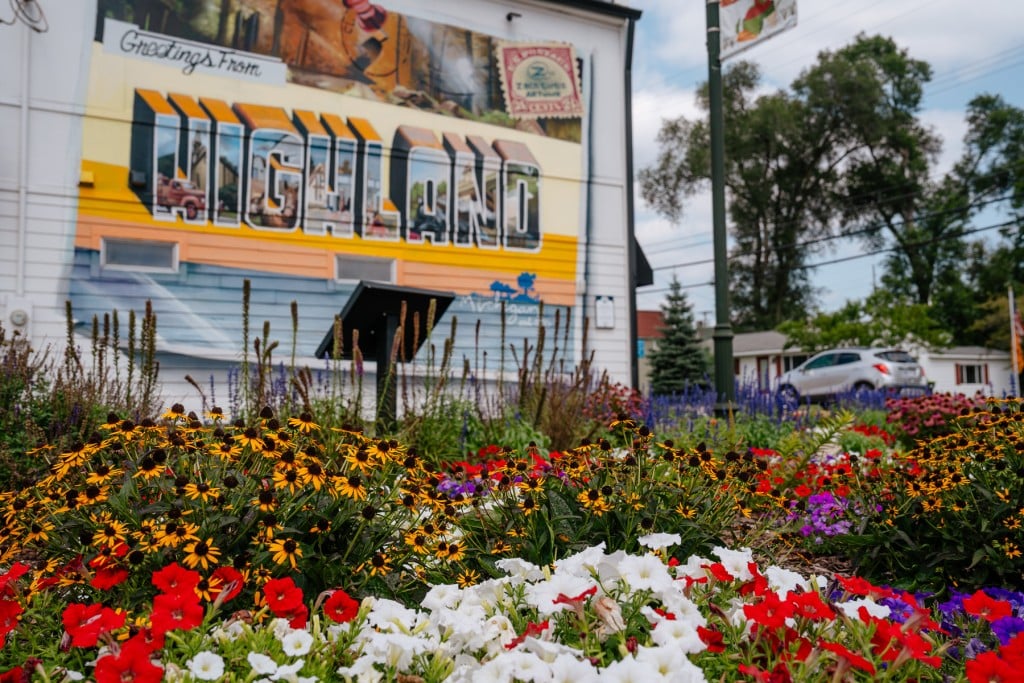
“Safety and beautification go hand-in-hand,” she says. “If you don’t have a well-maintained downtown — if it’s not clean, if it doesn’t look like people care, people don’t want to spend their time there. They don’t feel safe, they don’t feel welcome.”
For Blascyk, caring for the gardens helps maintain a welcoming front door to Highland Station, a historic core of the community. The goal is a downtown where people want to walk, spend time and visit local businesses.
The gardens also provide opportunities to teach residents about native plants and the habitat they provide for butterflies, birds and other wildlife.
“Highland is a monarch city,” Blascyk says.
Monarch City USA is an organization committed to protecting the monarch butterfly by helping communities across the nation restore its native habitat. In Michigan, there are eight Monarch Cities, including Highland.
The township, DDA and library take turns offering conservation programs and projects to help residents understand how they can support pollinators. Those efforts include a Monarch Celebration Day at the farmers market.
“Our native gardens are host sites for monarchs and other pollinators.”
That educational role extends to the families who help care for the gardens.
“A lot of people are very proud of their gardens, they’ll do it with their family or children,” Blascyk says. “It’s an educational piece to get kids involved in being outdoors and is sometimes a lost art.”
Dashevich sees the gardens as another reason for people to explore downtown and visit its businesses.
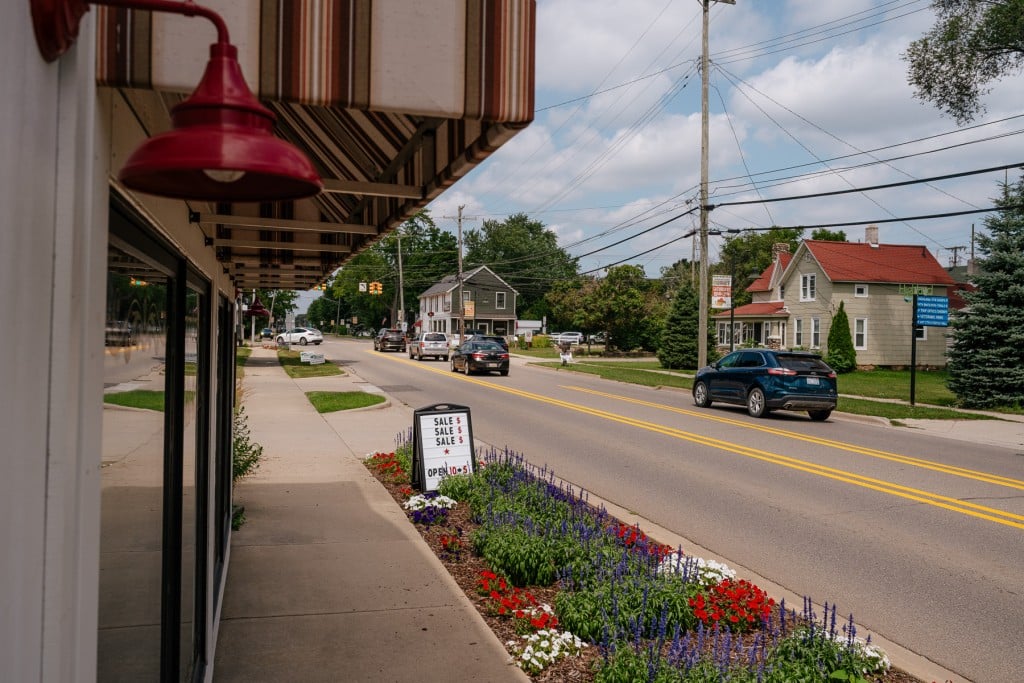
“We promote the gardens, we have sidewalk art contests, and have strolling art pieces,” Dashevich says. “It does have an economic impact because people come out for the day, stroll the gardens, and then visit our unique shops. I really feel that the gardens are an attraction.”
“The Adopt-a-Garden program gives people ownership in the downtown. It makes them feel like they own a piece of it and they want to take care of it.”
Author

Related Articles
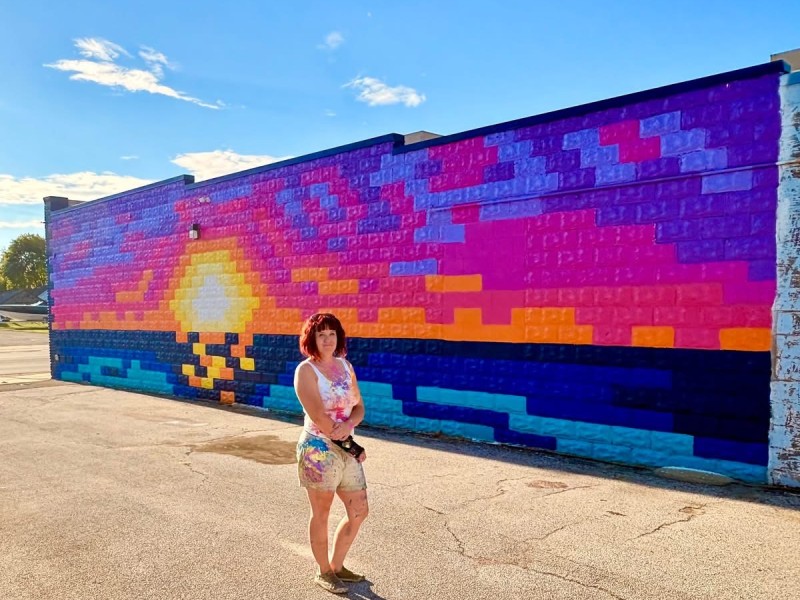
Thumb Art Spark initiative connects artists, communities, and businesses ahead of 2027 public art celebration
Planned for September 2027, the Thumb Art Spark Celebration will bring communities across the region to highlight existing public art, showcase new projects, and give residents and visitors new ways to explore the places where they live.
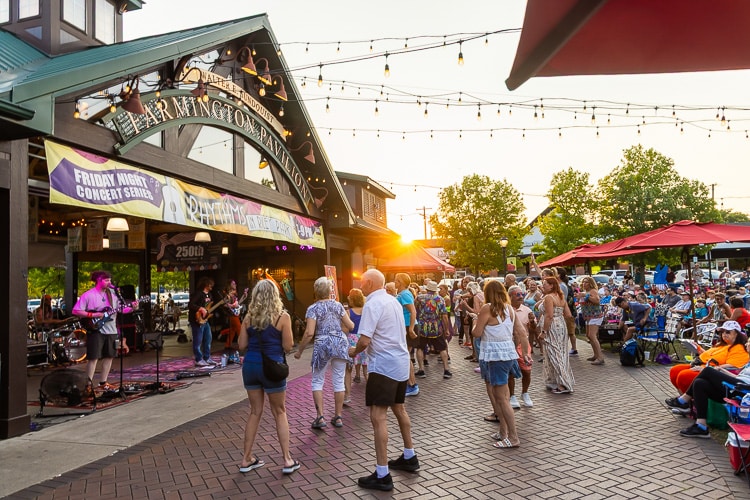
Partner Partner Content Creativity and community come together at Farmington’s new Art Park Promenade
Farmington’s Art Park Promenade connects Riley Park with the Hillside Townes development through a pedestrian-friendly space filled with landscaping, seating, and public art.

They grew up breathing Detroit air. Generations of women are pushing for new approaches to pollution
Some are organizing and training to advocate for their neighbors; some are trying to change the laws to consider the cumulative burden of pollution.


