
How are Michigan’s families doing?
Rising costs, child care shortages and barriers to health care are straining Michigan families. What could help?

Rising costs, child care shortages and barriers to health care are straining Michigan families. What could help?
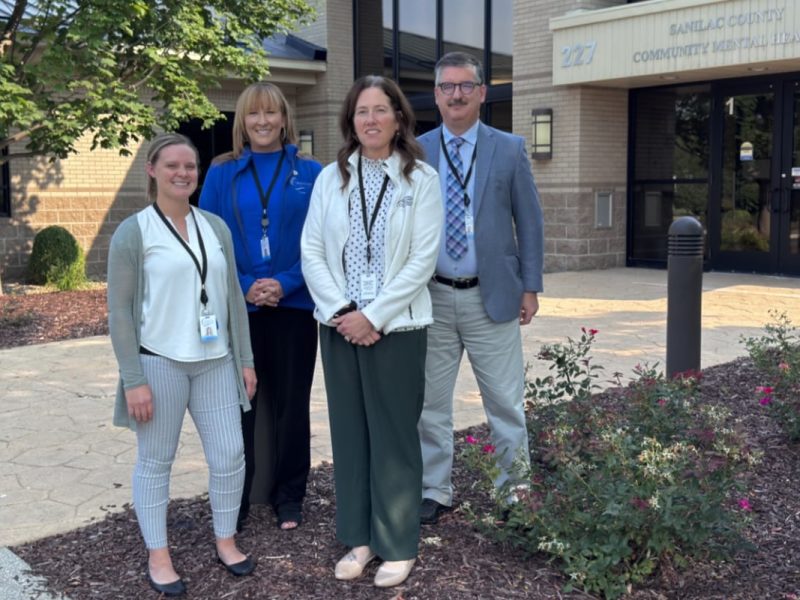
Behavioral health leaders in Allegan, Sanilac and St. Clair counties say flexible service models, regional partnerships and start-up funding could help more rural communities expand access to care.

Suicide prevention starts long before a crisis occurs. It begins by creating communities where people know they matter and know where they can turn when they need support.

For people experiencing a mental health or substance use crisis, deciding where to turn for help can be overwhelming. Macomb County Community Mental Health offers a range of services designed to help residents navigate those decisions.

Some are organizing and training to advocate for their neighbors; some are trying to change the laws to consider the cumulative burden of pollution.

The Michigan program is the largest unconditional cash transfer program for expectant parents in the country.
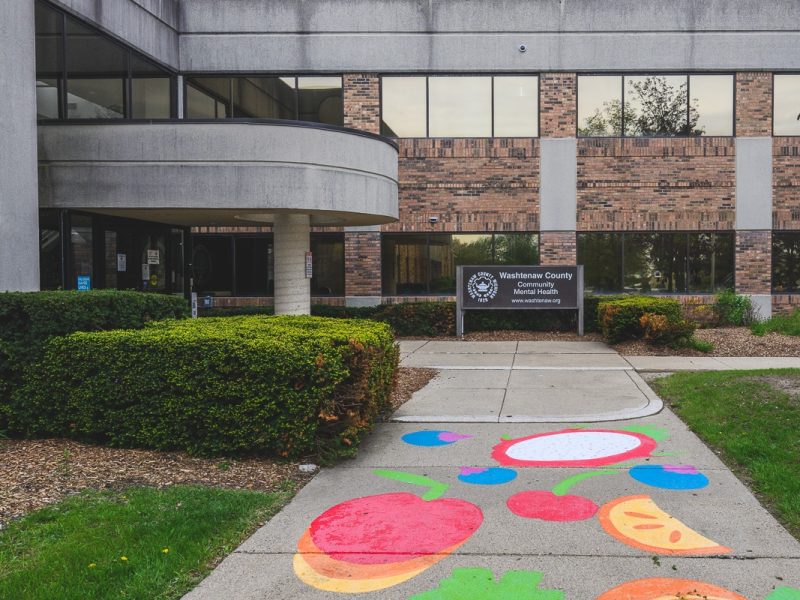
In Washtenaw County, adults served by community mental health increased 147%, and youths served 104%.
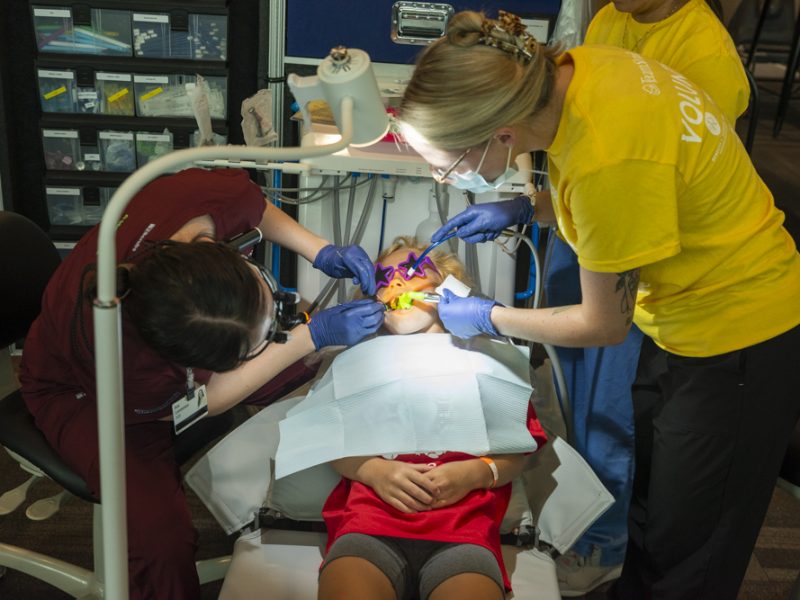
TeamSmile's Cleveland program shows how local volunteers, sports teams and community partners connect children with dental care and healthier smiles.

SNAP helps families meet all basic needs, including childcare.
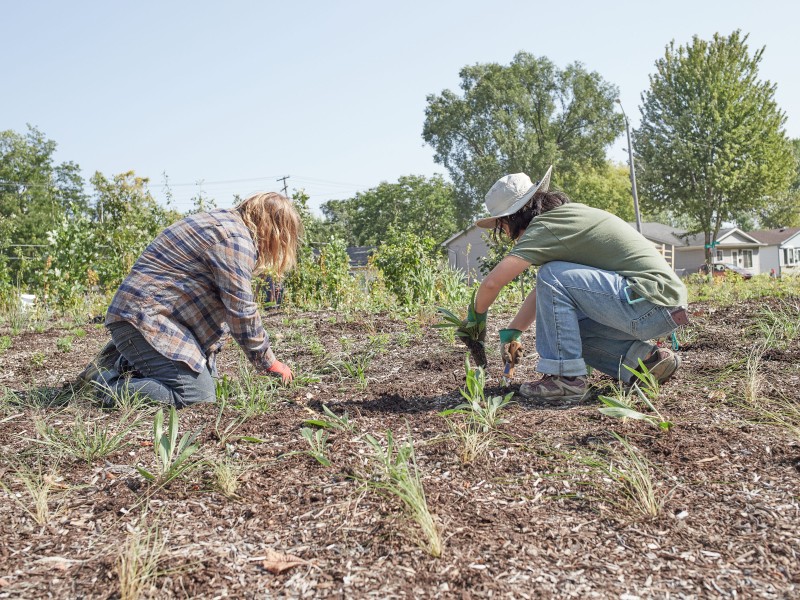
Whether you call them micro, mini, or pocket forests, they are taking root around the world — and in metro Detroit. They help the environment, provide refuge to native species, and respite to people seeking green spaces — especially in urban areas.
Our Partners


