
Islamic Center of Detroit’s MY Mental Wellness Clinic provides immigrants a safe space and mental health care
For many Arab and Muslim immigrants, seeking therapy can mean pushing past generations of stigma—and finding a provider who understands their culture and faith. A free clinic inside the Islamic Center of Detroit is creating that safe space and changing how the community approaches mental health.
Danya Mugali, a Yemeni American living in Dearborn, Michigan, experienced postpartum depression following the birth of her second child. She was also struggling with nursing school and realized she needed support.
Yet in her community’s culture, going to therapy is usually reserved for the most extreme situations, like drug use. People were expected to keep problems within the family.
Despite those social norms, Mugali sought help navigating motherhood, her professional life, and family relationships.
“I’m like, maybe it’s time for me to take a step back and reevaluate what it is that I want to do with my life,” she says.
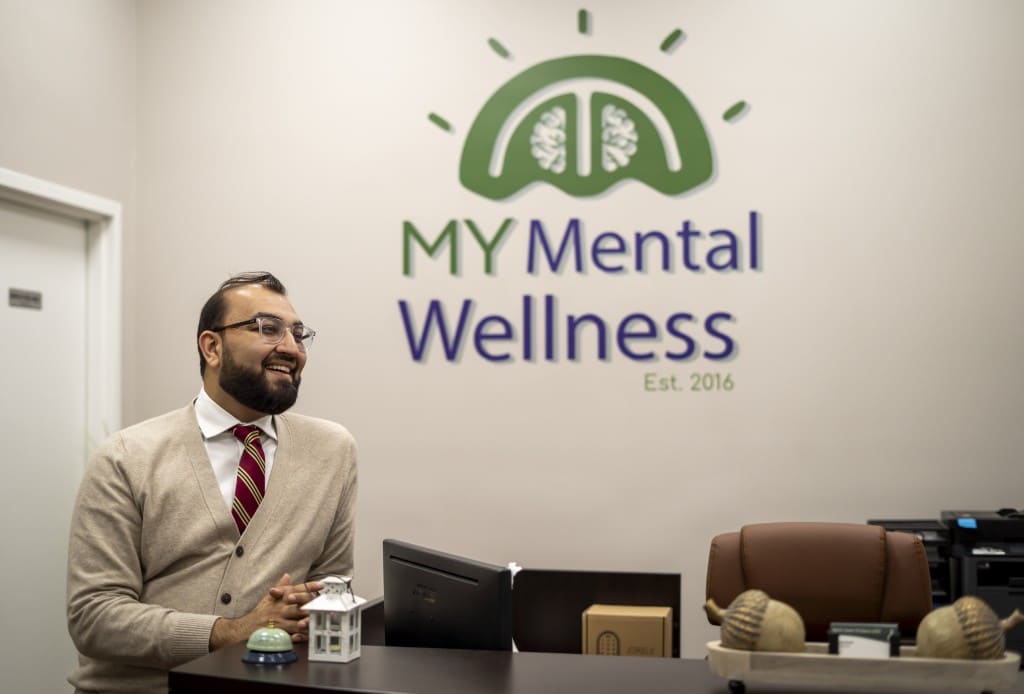
Mugali is a client at the MY Mental Wellness Clinic at the Islamic Center of Detroit, which provides the type of culturally sensitive care needed among Arab and Muslim communities.
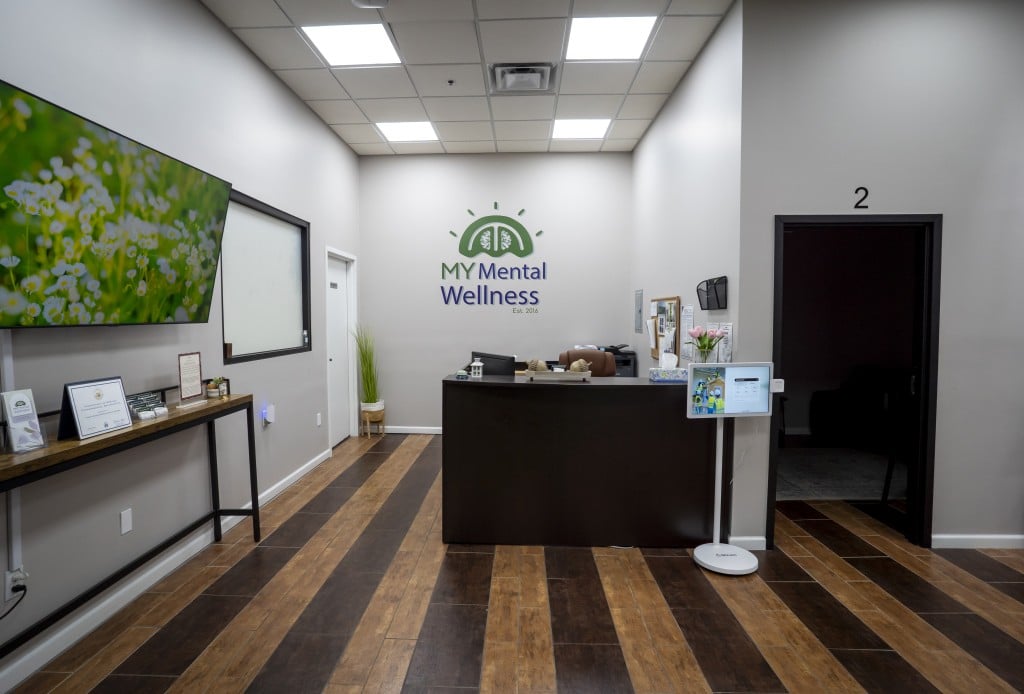
Located on the border of Dearborn and Detroit, MY Mental Wellness offers free therapy that integrates spiritual or faith beliefs upon request. In addition to the clinic, the center provides a weekly food pantry, Arabic education, and health consultations, as part of a holistic approach to address mental health and wellness. The mosque inside the center also has a refugee services department, which works with Samaritas and the International Institute of Metropolitan Detroit. The department refers people to the mental health clinic.
The clinic also recently hired student interns to help expand its services.
Last year, the clinic served about 200 people, a steady number, due to increased outreach and awareness with mosques and schools. Immigrants or children of immigrants make up about 85 percent of clients, says Danish Hasan, the clinic’s health director. Clients often come from cultures unfamiliar with mental health care.
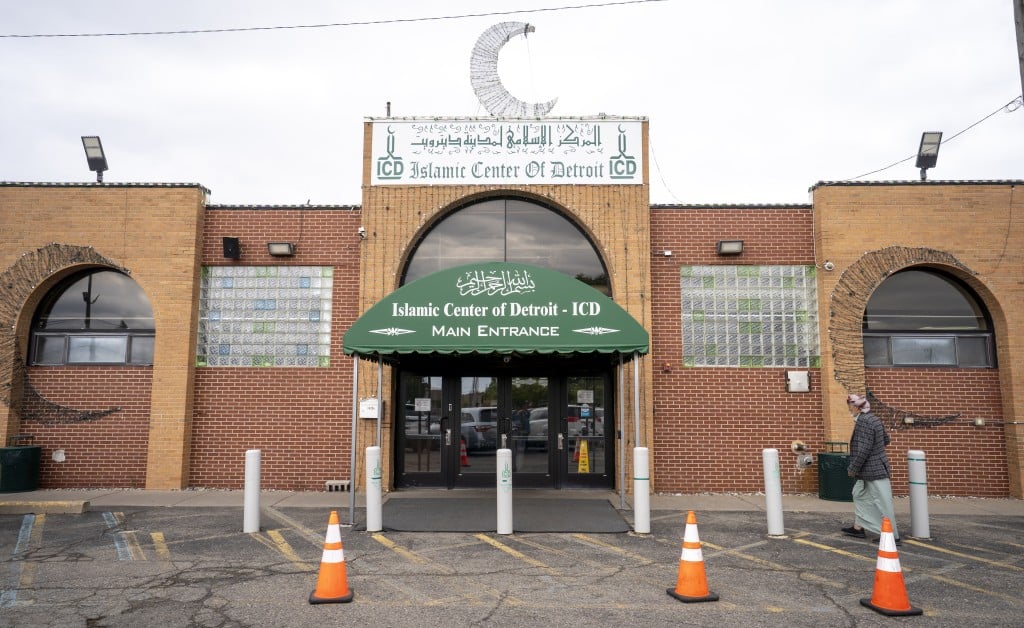
“In the Muslim world… North Africa or the Middle East or the Indian subcontinent or Eastern Europe… the concept of therapy really didn’t exist in our communities,” he explains.
He says people often struggle in silence alone. If things got bad, the person would be taken to a religious scholar out of fear that the person was possessed or institutionalized.
However, getting a mental health care center up and running was not an easy task. It began through concerted efforts to educate the community about mental health before launching a full-scale center.
The clinic’s beginnings
In 2016, the youth committee started educational workshops to create awareness about mental health topics among the community.
“For the first few years, it was a difficult conversation to be had with the community about why mental health should exist inside an Islamic center,” Hasan says.
Over time, the workshops created a pathway to creating a clinic.
The center hired the first therapist, Takween Dwaik, in 2021. By 2024, the clinic fully launched and expanded with clinical psychologists, social workers, and community counselors, with funding from Islamic Relief, a global humanitarian and development nonprofit organization.
The clinic serves clients with complex ethnic and cultural identities. To meet their clients’ needs, Hasan says the clinic’s staff is diverse and speaks a variety of languages – including Yemeni, Levantine, and Iraqi Arabic dialects. The clinic also provides literature, surveys, and materials in English and Arabic.
Services are available to anyone, without limitations on the number of sessions scheduled.
Community health needs and challenges
The health needs and risks of Arab Americans have been underexamined. As a result, mental health care providers in the U.S. may struggle to address the medical, cultural, and psychological needs of these communities.
Culturally, Arab Americans are expected to resolve their conflict within their family, rather than seeking assistance from a mental health care provider. There is also a greater stigma to receiving help, according to the Depression and Bipolar Support Alliance.
Still, the communities face additional challenges to getting care, including language barriers, stigma, and a lack of culturally competent care. Some may also have a lack of health care insurance – especially refugees and newer immigrants, who oftentimes are leaving their homes due to war or conflict.
Hasan says many people come to therapy for anxiety and depression, while children also come in for the effects of bullying. Other people come in for relationship advice.
“We are creating a safe space for our community to talk to,” he acknowledges.
Cultural connection
Mugali began therapy in 2022 with Dwaik, the only counselor at the time.
She wanted an older Arab American Muslim woman therapist to guide her, from managing a relationship with her parents to figuring out career choices.
Mugali says she previously had a therapist who did not share a background with her, and she found herself constantly explaining her culture and religion.
“I want someone who already has that insight. And preferably, I wanted somebody a little bit older, too,” she says.
She says having a shared religious background was also important for her.
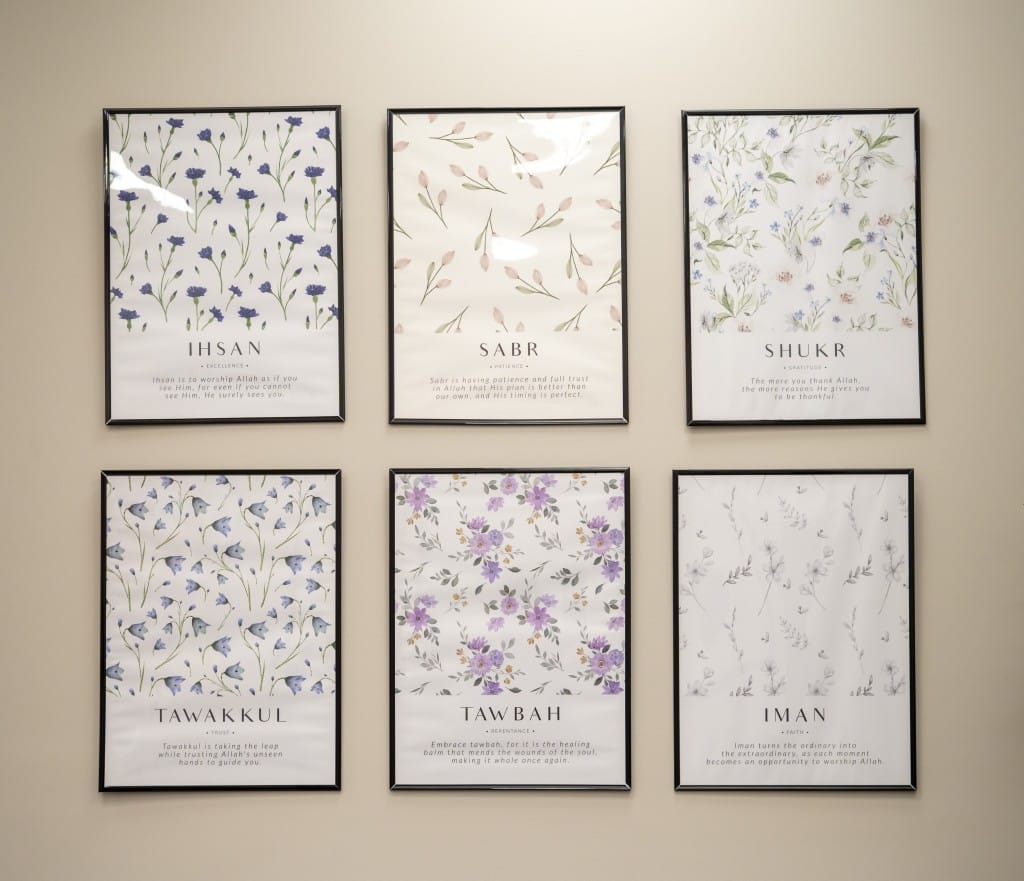
Hasan says that as of last year, the staff is getting trained in Traditional Islamically Integrated Psychotherapy (TIPP) through the Khalil Center, due to a demand for similar faith-based therapy.
This approach integrates psychotherapy from the Quran and the teachings of Prophet Muhammad (peace be upon him), with mainstream psychology. Clinicians incorporate self-discovery, compliance and motivation, equilibrium in life, and a holistic integration focusing on cognition, behavioral inclinations, the spirit, and emotions across sessions.
A majority of the clients are Muslim at the clinic. Some clients request this form of integrated therapy, as they are afraid to go outside religious bounds when addressing mental wellness.
Mugali says Dwaik helped guide her through career choices that fit her Islamic lifestyle better – by changing a career path in nursing to teaching, “where I can practice my religion and dress the way that I am without being judged,” she explains.
Mugali enjoys going to therapy, now once a week, especially due to her therapist.
“She’s just become like a very important pillar in my life at this point,” she beams.
Treating trauma
Hasan says some clients come from immigrant communities that have additional burdens to healing, due to being connected to what’s happening overseas, like the ongoing Israel-Gaza War. To date, more than 73,000 Palestinians have been killed, and about 173,600 have been injured, according to the United Nations.
“It’s very difficult to kind of unpack that trauma and work with them,” he says.
In one instance, a boy from Gaza came to the United States for surgery and came into the clinic for therapy. However, the therapist stopped the session to protect the child from reliving his trauma.
“This child lost his limbs, and in some bombardment in Gaza a few months ago. And so there was a lot of trauma there, and he had lost some of his family members,” Hasan says.
Hasan explains there’s a need for nuanced therapy to address “intricacies about their culture that manifest when they’re in the session with a therapist,” for clients who are from Yemen and Iraq, Palestine, Syria, Egypt, and refugees from Mauritania and Afghanistan. Immigrants and refugees often bring their cultural norms, taboos, and stigmas from overseas, Hasan says.
“It’s been very difficult for our therapist to sometimes understand where these families are coming from, unless you have insight into their culture,” he shares. “It’s like this ongoing process.”
The recent political climate has created an additional fear in refugee and immigrant communities from seeking help or sharing personal information.
Hasan says that due to the ongoing stigma, multiple approaches are needed to serve the community before counseling services. These include advocacy, leadership, offering workshops, and support groups.
For now, the clinic is working with community partners to provide therapy for immigrant communities.
Overcoming stigma
Although MY Mental Wellness is fully up and running, getting people into the realm of mental health wellness and treatment often begins through other events or programs at the mosque due to stigma. The clinic has found creative ways to get people into the fold.
Hasan says the mosque integrates mental health topics into Friday sermons for 2,000 attendees, mostly men, who may have more skepticism about counseling.
But they also work with area schools in Detroit and Dearborn.
“The stigma really exists in the community in the older generation. Those older generations now have children who are middle schoolers, high schoolers, who do require some help,” he explains.
*Sarah Ahmed is a nurse from Dearborn, whose daughter is in sixth grade. Ahmed’s daughter was referred to counseling through her Islamic school due to behavioral issues such as acting out in class and not respecting authority, stemming from domestic violence at home.
They were able to get into the clinic after losing insurance coverage.
Ahmed, who is in her late 30s, says some millennials in her community are breaking the mental health stigma, but others have a strong cultural aspect to it, “ingrained in them since they were younger,” she said, making it difficult to overcome.
Meanwhile, she sees her daughter practicing the tips she learns from therapy.
“So some issues that she’s had at school, she was able to work through it in a positive way,” she says.
MY Mental Wellness has become a way for people to seek out affordable mental health care in the Detroit area. The clinic hopes to continue providing services for anyone in need. Contact 313-584-4143 to schedule an appointment.
Note: Sarah Ahmed’s name was changed for privacy due to domestic violence in the home.
Point of Entry is a series exploring the lived realities and vital contributions of immigrant communities across Southeast Michigan. This is a collaboration with New Michigan Media, supported by the Community Foundation for Southeast Michigan. See more stories from this series here.
Related Articles
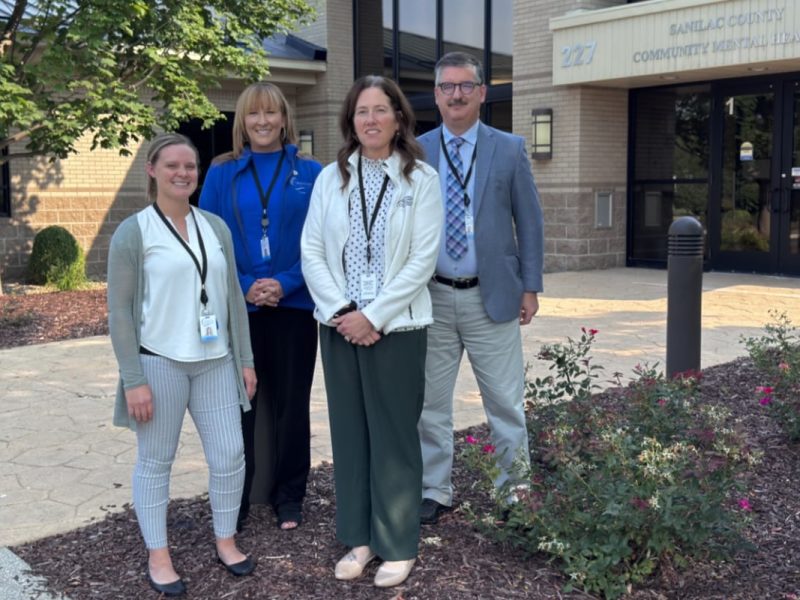
St. Clair and Sanilac county leaders identify barriers to expanding rural mental health care
Behavioral health leaders in Allegan, Sanilac and St. Clair counties say flexible service models, regional partnerships and start-up funding could help more rural communities expand access to care.
Partner Partner Content Suicide Prevention Month: Creating Connection Before a Crisis
Suicide prevention starts long before a crisis occurs. It begins by creating communities where people know they matter and know where they can turn when they need support.
Partner Partner Content Seeking mental health services can be overwhelming. Here’s where to begin
For people experiencing a mental health or substance use crisis, deciding where to turn for help can be overwhelming. Macomb County Community Mental Health offers a range of services designed to help residents navigate those decisions.


