
Partner Partner Content Disability Pride Month Challenges Us to Look Beyond Assumptions
Creating truly inclusive communities often requires a shift in mindset. Rather than focusing on limitations, inclusion challenges us to recognize each person’s strengths, abilities, and potential.
Sponsored content written by Macomb County Community Mental Health.
Every July, Disability Pride Month provides an opportunity to celebrate people with disabilities and recognize their contributions to our communities. It also serves as an important reminder that disability is a natural part of the human experience and that every person deserves the opportunity to participate fully in community life.
This year’s Disability Pride Month theme, “The World Works Better with Us,” highlights the importance of creating communities where everyone feels welcome and has the opportunity to participate. One of the first steps is recognizing that many of the barriers people with disabilities face are rooted not in their disability, but in others’ assumptions about what they can or cannot do.
Disability Is Different for Every Person
Part of the challenge is that many people hear the word “disability” and immediately form a picture in their minds—often based on outdated stereotypes or limited experiences. Some people assume disability always looks the same, while others associate it only with physical limitations. In reality, disability encompasses a wide range of conditions, experiences, abilities, and support needs.
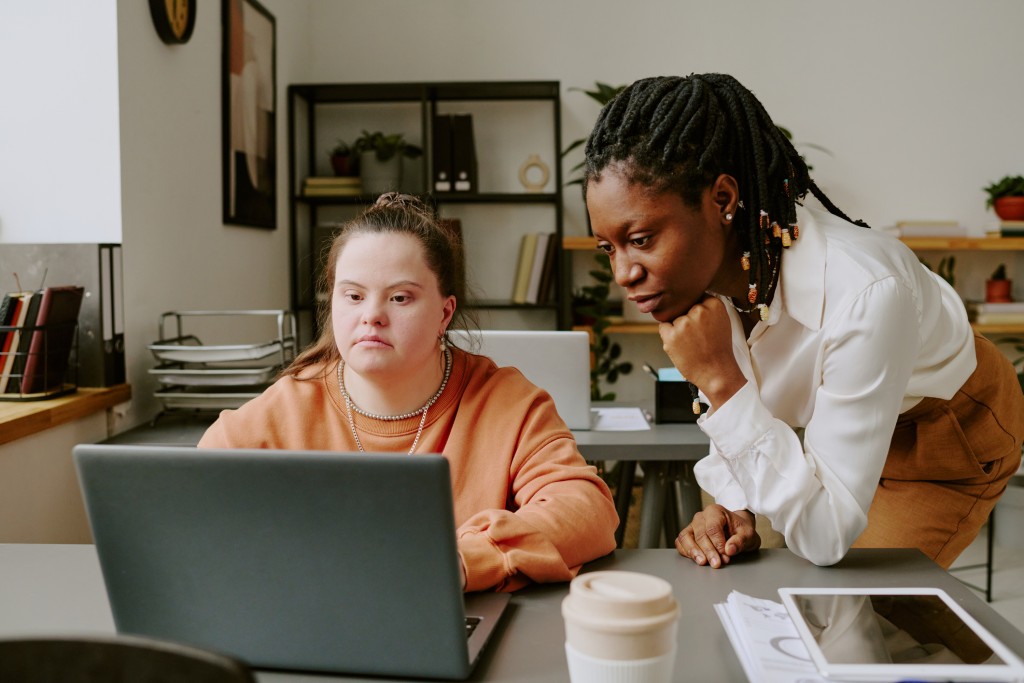
For example, at Macomb County Community Mental Health (MCCMH) we work with individuals with intellectual and developmental disabilities (I/DD). These individuals may have autism spectrum disorder (ASD), cerebral palsy (CP), Down syndrome, or other developmental disabilities. These conditions can affect communication, social interaction, learning, movement, or daily living skills, but they affect each person differently.
Even among people who share the same diagnosis, experiences can be dramatically different. One person may need extensive support throughout their day, while another may live independently, maintain employment, and require little assistance.
Understanding those differences is important because a diagnosis does not define a person. Every individual has unique strengths, interests, goals, and abilities, and meaningful inclusion begins when we see people for who they are beyond their diagnosis.
Looking Past Common Misconceptions
Many misconceptions about disability stem from assumptions rather than experience. People may assume that someone with a disability cannot work, live independently, make decisions, or build meaningful relationships. In reality, individuals with disabilities work in a wide range of careers, maintain friendships and family relationships, pursue personal goals, and contribute to their communities in countless ways.
While some individuals benefit from support and services, these needs should not be confused with inability. Receiving assistance in one area of life does not determine what a person can achieve in another.
Perhaps the most damaging misconception is the belief that disability automatically means a poor quality of life. Disability is only one aspect of a person’s identity, but it is not their whole story. Like everyone else, people with disabilities experience success, joy, disappointment, growth, and achievement.
When we make assumptions about what someone can or cannot do, we risk creating barriers and limiting opportunities before they even begin.
Inclusion Is More Than Accessibility
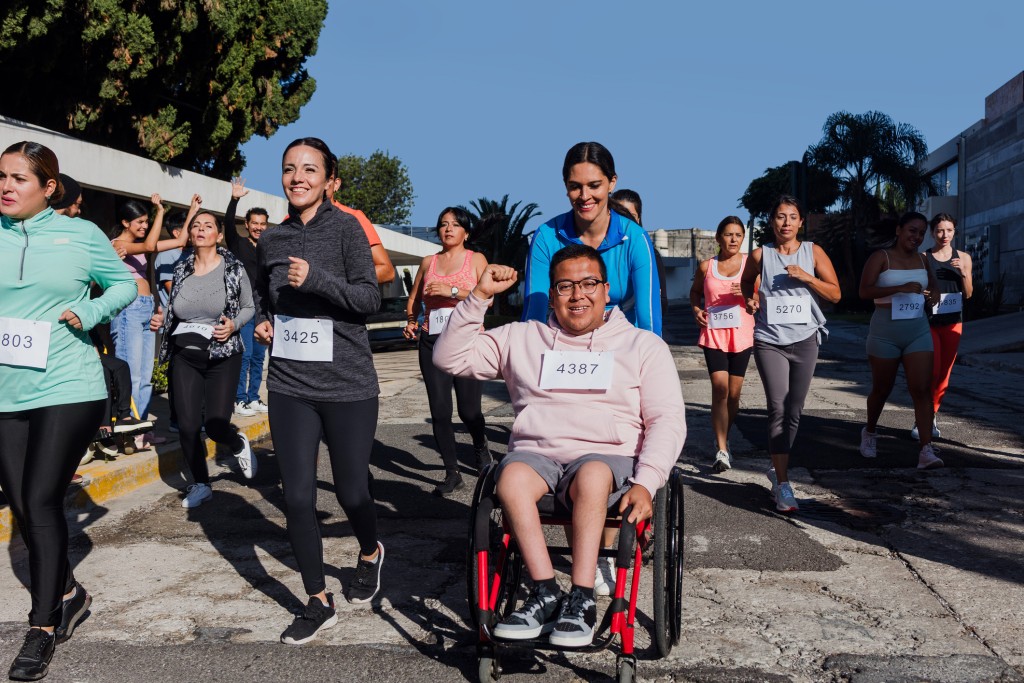
Accessibility matters. Ramps, elevators, accessible transportation, and accommodations help remove barriers and create opportunities. But true inclusion goes beyond physical access. It means being welcomed into conversations and having opportunities to participate in community life.
Creating truly inclusive communities often requires a shift in mindset. Rather than focusing on limitations, inclusion challenges us to recognize each person’s strengths, abilities, and potential. When individuals with disabilities can fully participate and share their talents, the entire community benefits.
How We Can All Help
Creating a more inclusive community does not require special expertise. Often, it starts with simple choices in how we interact with others.
Start with respect rather than assumptions. Take time to get to know the person instead of making judgments based on a diagnosis or appearance. Listen to how they communicate and be willing to meet them where they are. Communication may look different from person to person, but everyone deserves to be heard and understood.
Inclusion also means inviting participation rather than deciding what someone can or cannot do. Whether at school, work, or in the community, people should have opportunities to contribute, make choices, and be involved.
The words we use matter, too. Challenging stereotypes and disrespectful language helps create a culture of respect and understanding. Parents, educators, and community members can reinforce that message by teaching children that differences are a normal part of life.
Perhaps the simplest advice is to check your judgment at the door. We rarely know everything about another person’s experiences, abilities, or potential, and genuine inclusion begins when we approach others with openness rather than assumptions.
The World Works Better With Us
Disability Pride Month is not about lowering expectations or feeling sorry for people. It is about recognizing the strengths, talents, and contributions that people with disabilities bring to every part of community life.
When we replace assumptions with understanding, create opportunities instead of barriers, and make room for every person to participate, communities become stronger. Schools, workplaces, neighborhoods, and organizations benefit not because anything extraordinary has been done, but because people have been seen, heard, and included.
That is the message at the heart of Disability Pride Month. The world works better when all of us are in it.
Do you or someone you know need support for an intellectual or developmental disability? Call MCCMH at 855-99-MCCMH (855-996-2264) or visit us online at www.mccmh.net to learn more.
Related Articles
How are Michigan’s families doing?
Rising costs, child care shortages and barriers to health care are straining Michigan families. What could help?
St. Clair and Sanilac county leaders identify barriers to expanding rural mental health care
Behavioral health leaders in Allegan, Sanilac and St. Clair counties say flexible service models, regional partnerships and start-up funding could help more rural communities expand access to care.

Partner Partner Content Suicide Prevention Month: Creating Connection Before a Crisis
Suicide prevention starts long before a crisis occurs. It begins by creating communities where people know they matter and know where they can turn when they need support.


