
Metro Detroit Death Doulas Want You to Talk about Death
Death Doulas in Metro Detroit are working to change how people approach the end of life — with less fear and more understanding. It can be a tough sell in a culture that largely avoids talking about death, but with the right support and guidance, these non-medical advocates promise life’s final chapter can be rich and rewarding.
If you’ve never heard of a death doula, that’s about to change.
Death doulas, also known as end-of-life doulas, grew out of the birth doula movement. They are non-medical caregivers and advocates who promote death literacy to a culture that largely avoids the topic.
Even celebrities are making headlines with their interest in the work. Nicole Kidman announced her interest in becoming a death doula in response to realizing how lonely her mother was before she died. Director Chloe Zhao has already done some training saying it was a way for her to overcome her lifelong fear of death.
They may even be part of the solution to our rapidly aging population where many suffer from the epidemic of loneliness and isolation in the U.S.
There is no one-size-fits-all, as these metro Detroit death doulas prove.
CAROL MILLER
Choices, End of Life Doula Services and Resources
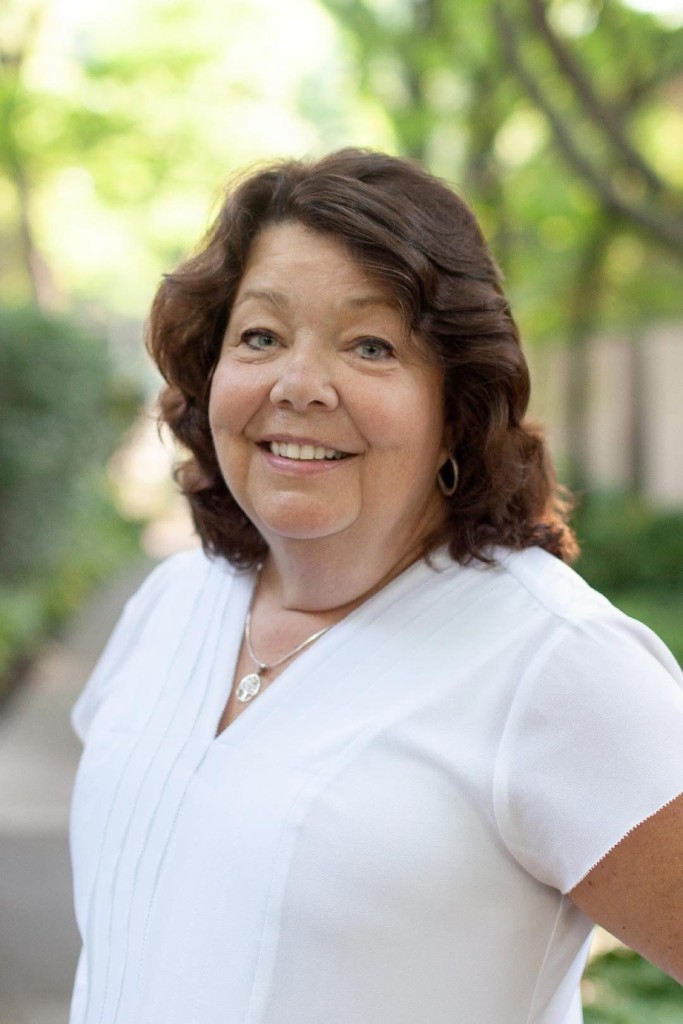
Carol Miller has always been comfortable with death as a critical care nurse who’s worked in ICUs, ERs, recovery units, and hospice in Detroit and beyond since the late 1970s.
“I was told I was good at it,” says the Saint Clair Shores resident. She also cared for family and friends doing what she calls: “I’m here for you.” Doing what it takes from bringing ice cream sundaes to lavender rice packs to sitting with the dying patient so the family can take a shower and rest.
In 2020, she heard about The Dying Year in Ann Arbor, where she could train to be a death doula. A year later she was certified. While the profession is not regulated or licensed, the standard is to go through a training program and get credentialed.
It’s a calling, Miller says. “To spend time with a family at such a sacred time in their lives is an honor.”
Maybe more importantly, Miller says, they can fill the gaps left by hospice, which no longer provides much hands-on care. They can also step in for families that today are often too dispersed to tend to dying loved ones.
Miller prides herself on direct patient care, particularly positioning people in bed. “I’m exceptionally good at it,” she says, noting the importance of avoiding bed sores.
She often involves loved ones. She tells of a daughter she enlisted to assist in repositioning her father. As Miller guided her to put her arms around him to lift, she said first: “Now give each other a big hug.”
“It’s a big deal,” Miller says. “There’s a lot of emotional release. Many people have not hugged in a long time.”
Now she hopes to start a death café, a social gathering where people talk about death, to normalize it. “I have an elevator speech,” she says. “I take care of people at the end of life. We’re all going to die.”
SHELLEY SHEPARD
Shelley Shepard has thought about death since her father died when she was five. “It had a huge impact on me. They just didn’t explain things,” she says.
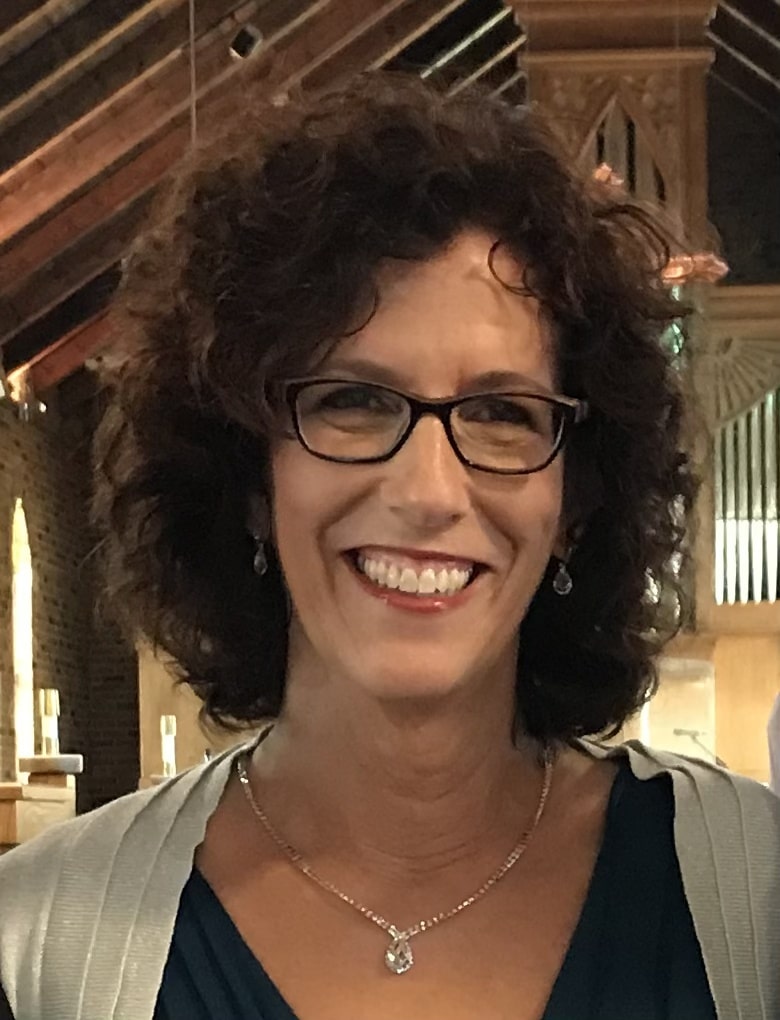
Years later, married with two children, she cared for her grandfather before he died on hospice in her home. She was struck at how quickly the hospice nurse put her three-year-old son at ease when he kept crying for the grandfather not to die. The nurse simply said: “But it won’t hurt.”
Shepard was amazed how well her son accepted that honest answer. She also saw how similar death was to birth, she says, both being messy and miraculous. “All this prepping and preparing and people coming and going. Like caring for an infant again and keeping them safe.”
Shepard, who lives in Metamora, eventually became a nurse in Troy, working nearly a decade in hospice.
“I saw a lot of death denial,” she says, recalling a grandfather who told his family repeatedly he was ready to die. The family insisted he get a feeding tube. “Two days later he died alone. It’s a tragedy when someone dies like that.”
She became a death doula after retiring from nursing in 2021.
“I found my tribe,” she says, calling herself an advocate and educator whose role can vary from holding hands to handling paperwork, like wills and medical advance directives.
The experience has made her reflect on being with death in a very real way, she says. “It’s important to talk about it.”
She recalls helping a man at his dying father’s bedside to understand what was happening.
“Often the patient knows they are dying and the family needs the support,” she says. “When people get it, they say, ‘Oh, this is going to be okay.’”
DAIN EVANS
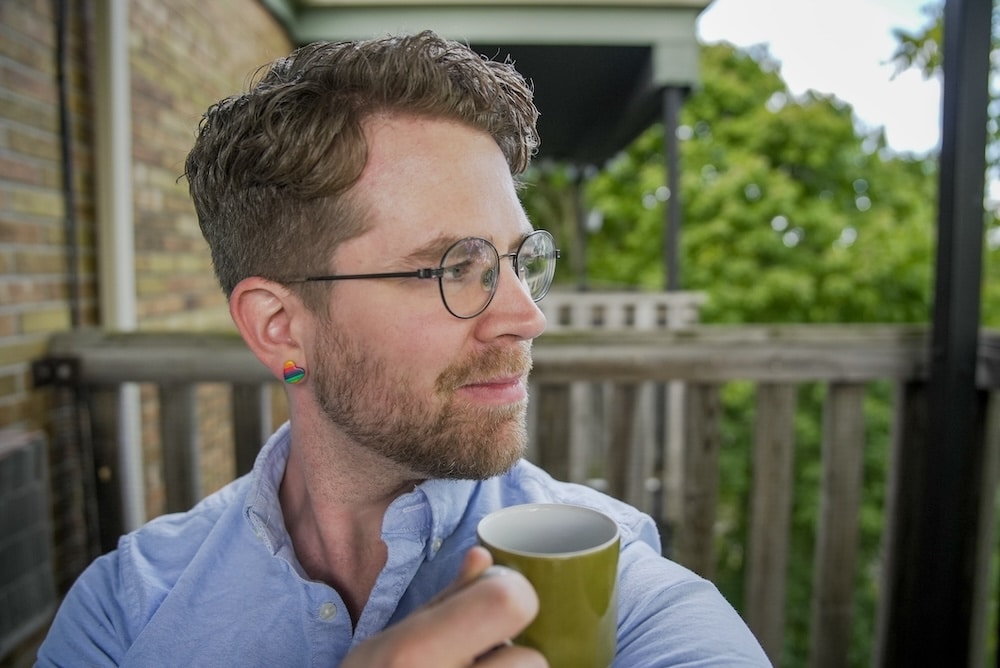
Dain Evans was terrified of death since childhood. “In the last four or five years, I realized this is bad. I was having panic attacks.”
The Ferndale resident decided to start researching death to get comfortable with it. And then it hit him: “We have birth doulas, I wonder if there is anything like death doulas?” He Googled it and discovered he could train to be one.
Evans, a digital media specialist, did his training through The Dying Year, where he learned what he could and could not do, such as give medication.
Today, Evans, who identifies as queer, decided to center his practice on the LGBTQ+ community.
“Queer and trans people die different deaths and live different lives,” he says. He also started a queer death café to offer a safe space for discussion.
Evans, who sees himself as a “death consultant,” connects clients to experts who are queer- or trans-affirming, from attorneys to funeral directors. And because queer and trans folks often rely on a chosen family of friends for support and caregiving, he says it’s important to obtain written protections for non-family members to be involved in the care.
Far from fearful of death now, he is passionate about death education and loves it when people discover what he does. “They are so interested. They drop their guard and say their parent died and it was so hard… Or they think death is scary.”
It’s an opportunity to teach, he says. “I love making it less scary. It’s so fun.”
LAUREN SCOTT
Lauren Scott’s journey began after she lost her father six years ago and she discovered he died alone and battling addiction.
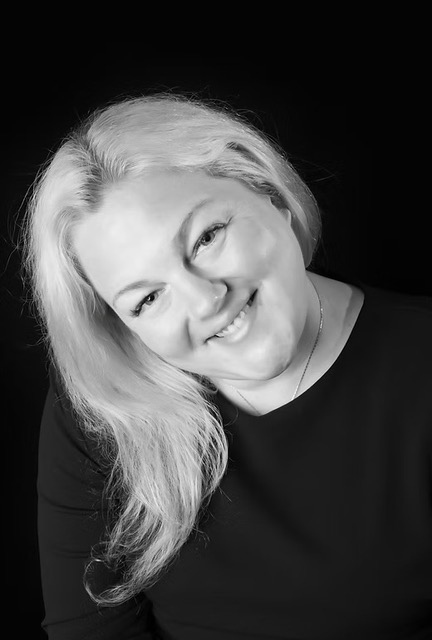
Then during COVID-19, she watched her mother struggle when her grandmother ended up in a hospital on a ventilator. Scott says her mother, who had power of attorney, had no idea what she was making decisions about. “She was totally traumatized. No one knew what was going on.”
She realized how unprepared people are to handle death.
She found emotional support for herself through a psychic medium then got into Reiki, an energy healing technique, which led the Washington Township mother of two to open Reiki Euphoria in Birmingham. She became a death doula three years ago.
“I felt called to it,” says Scott, who helps families step-by-step wherever they are. “Even just telling them it’s okay to be with someone after they die and to touch the body while it’s still warm.”
She handles whatever is needed, from calling the funeral home to pick up the body to planning an entire funeral, she says. “It’s almost like planning a wedding, there’s so much that goes into it.”
And sometimes she steps in if siblings are arguing even if the parents have made it clear what they want, she says. “We do a lot of mediating.”
Above all, she loves the human connection. “I’ve had clients who were transitioning tell us it was nice to talk to someone about death because lots of times loved ones do not want to talk about it.”
TYNE KREINER
Death was a constant topic of conversation at the dinner table when Tyne Kreiner was growing up in Michigan’s Thumb with a mother who was a hospice nurse.
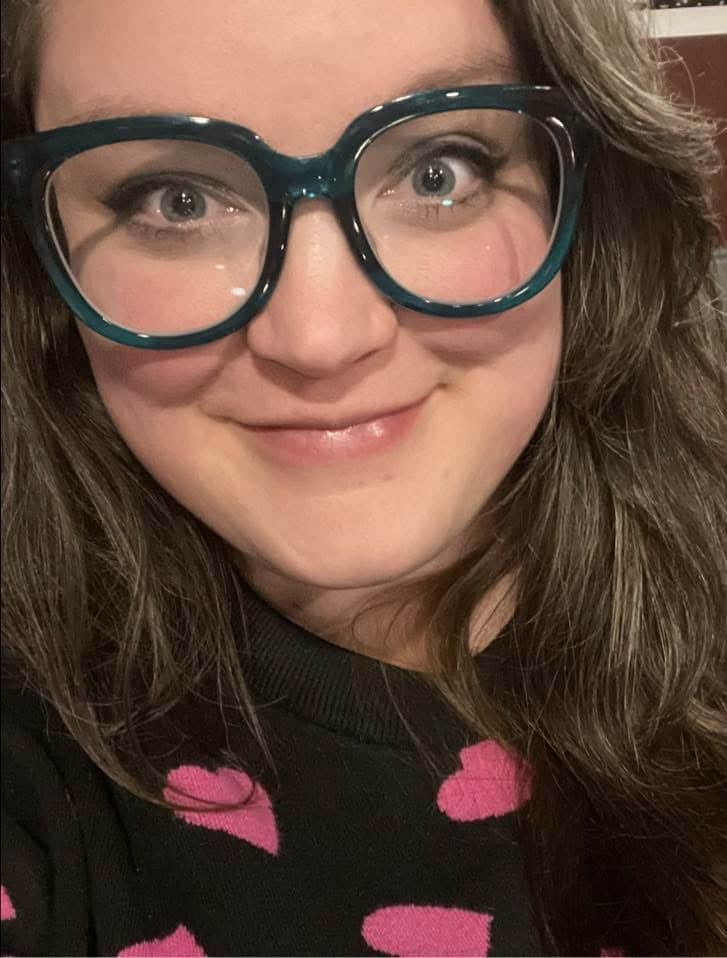
“I’ve always been very comfortable with it,” says Kreiner, who knew her path in life early: to be a social worker in hospice. “It’s the only thing I wanted to do.”
Kreiner did just that. After graduating with her MSW at Eastern Michigan University in 2009, she worked with hospice patients, first in Ann Arbor, where she learned she could become a death doula, and later in metro Detroit.
Now based in Romeo in a position as a care manager since 2021, she returned to those roots four years ago when she got certified as a death doula. “I just wanted to take all my years as a hospice, palliative care, and memory care social worker and utilize that in my doula work.”
Kreiner likes being at the bedside and helping people make meaning of their lives. Death doulas do this by creating legacies, like recording life stories, or asking questions to encourage people to reflect on what they have done or accomplished in their lives.
“What fills my cup is doing what I used to do with hospice,” she says. “It’s about how to keep people comfortable and improve the quality of their days.”
Kreiner, who recently started a death cafe in Romeo, is passionate about death education and dispelling myths, like expecting your family to take care of you, she says. “As a social worker, I see it all. You can have 10 kids, and none may show up. Maybe all 10 will show up, and it’s great. Or it’s a dumpster fire.”
In the end, it’s about taking care of each other, Kreiner says. “I don’t care if somebody’s got four million dollars or four dollars. They’re all going to get love and respect and dignity. A good death.”
To learn more about death doulas, or becoming or hiring one, here are some resources:
The International End-of-Life Doula Association (INELDA) and the National End-of-Life Doula Alliance (NEDA) are two of the larger death doula organizations that offer membership and certification. INELDA also provides training, see below.
The Michigan Deathcare Collaborative offers resources and a membership directory.
The Dying Year in Ann Arbor provides training and education. You can also search online for death doulas and training.
INELDA is offering training in Detroit June 26-28, 2026. Learn more here: https://inelda.org/events/detroit-mi-in-person-end-of-life-doula-training-june-25-28/
Author

Related Articles
How are Michigan’s families doing?
Rising costs, child care shortages and barriers to health care are straining Michigan families. What could help?
St. Clair and Sanilac county leaders identify barriers to expanding rural mental health care
Behavioral health leaders in Allegan, Sanilac and St. Clair counties say flexible service models, regional partnerships and start-up funding could help more rural communities expand access to care.

Partner Partner Content Suicide Prevention Month: Creating Connection Before a Crisis
Suicide prevention starts long before a crisis occurs. It begins by creating communities where people know they matter and know where they can turn when they need support.


