
Michigan schools once lagged in behavioral health care. Here’s how they made it a priority.
Thanks to new findings, new funding, and a new focus on mental health, Michigan’s schools are expanding behavioral health services.


Thanks to new findings, new funding, and a new focus on mental health, Michigan’s schools are expanding behavioral health services.

Medical professionals are certainly not immune to a widespread spike in mental health challenges, and several new initiatives have sought to provide them much-needed support.

Beyond the color-coded counties and line graphs we've all seen, data sharing has helped Michigan's many health providers better understand and respond to the pandemic.

A new pilot program identifies families at risk and pairs them with peer mentors and benefits navigators, getting the state more involved in addressing the root causes of child abuse.
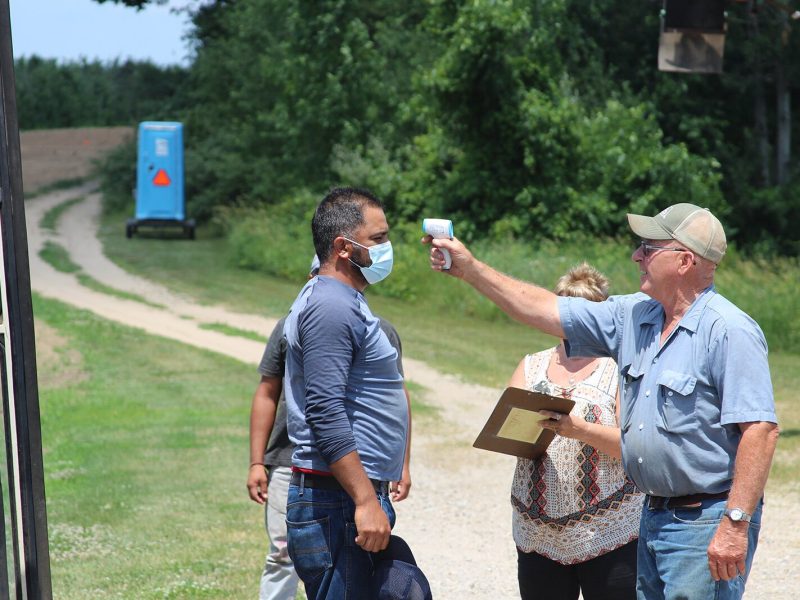
Fear of accessing public health programs, vulnerable working conditions, and lack of access to federal pandemic relief all contribute to immigrants being more susceptible to the pandemic than most.

Michigan nonprofits, foundations, and other organizations are confronting the ways their evaluations may contribute to further inequity for those they're supposed to serve.

Farmers Market Food Navigators help market patrons build healthy eating habits, make the most of SNAP benefits, and build relationships with their farmers.

A new initiative of the Wayne State University Center for Behavioral Health and Justice is working to change the cultural landscape around substance use disorder and decrease overdose deaths.
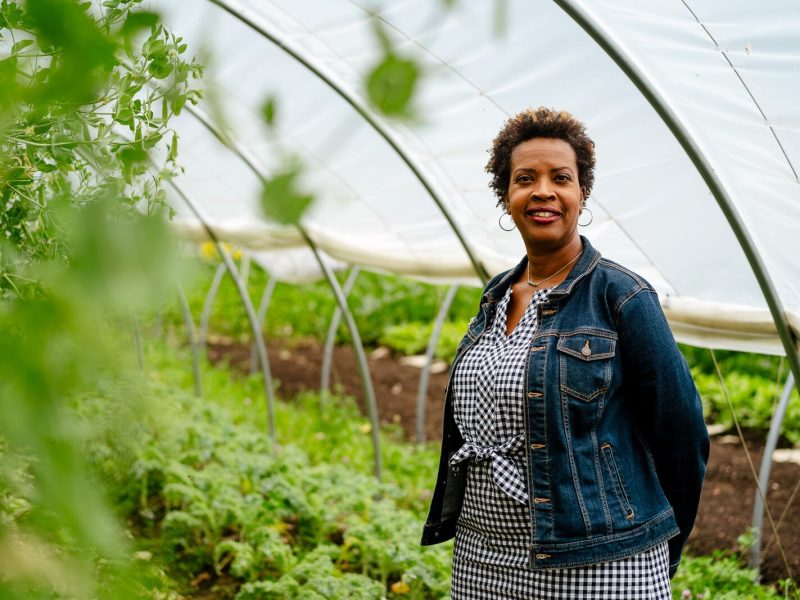
Small Michigan farms have already adapted rapidly to address some of the challenges the pandemic has presented, and local food advocates see many opportunities ahead to continue strengthening local food systems.
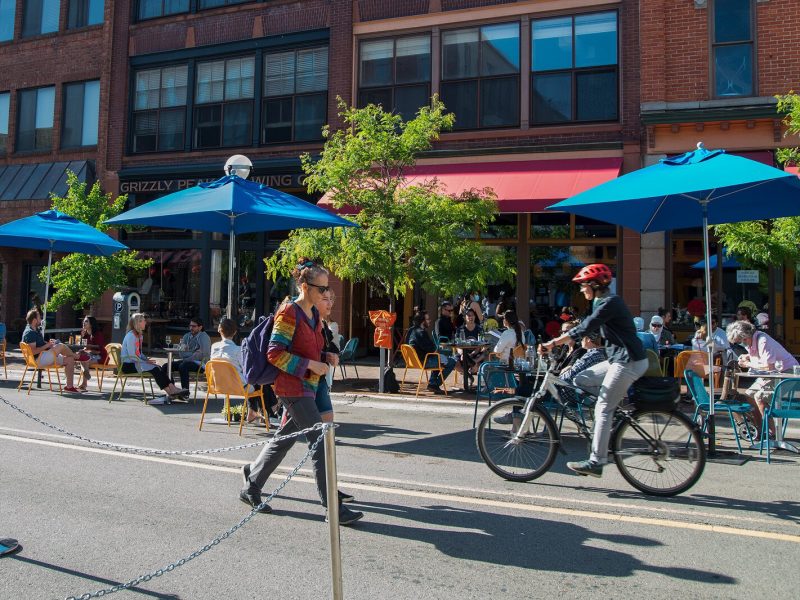
Several communities have closed select streets to automobiles, and advocates hope that the pandemic may prompt long-term positive changes in how we use public space for health and fitness.
Our Partners


