Architecture can catalyze a neighborhood or change the way we think about our community. It can be inspiring, iconic, or even controversial. So which buildings rate as game-changers in Metro Detroit? We asked a quartet of prominent local architects to select twelve buildings worth paying attention to.
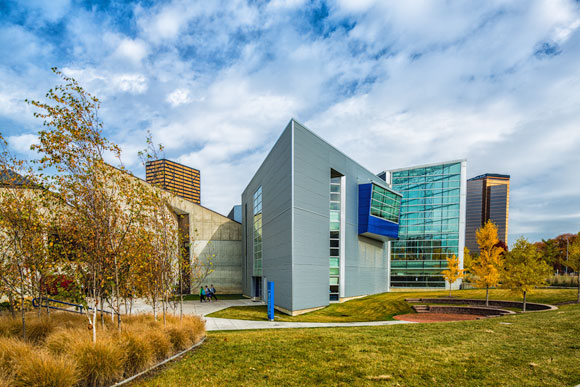
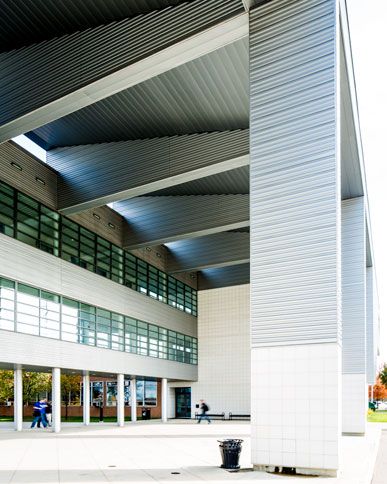
David Lewinski Photography – Lawrence Tech by Harley Ellis Devereaux
David Lewinski Photography – architecture_001
David Lewinski Photography – architecture_003a
David Lewinski Photography – architecture_004
David Lewinski Photography – architecture_005
David Lewinski Photography – architecture_006
David Lewinski Photography – architecture_008
David Lewinski Photography – architecture_007
David Lewinski Photography – architecture_009
David Lewinski Photography – architecture_00alt
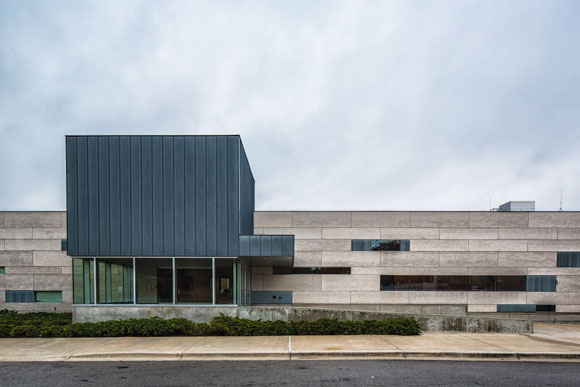
David Lewinski Photography – UMMA-Ann Arbor
David Lewinski Photography – The UMMA-Ann Arbor
What does metro Detroit architecture need more of? That’s the question we posed to four prominent metro-area architects, and their answers skewed not towards brand-new buildings, but towards brand-new ways to renovate and expand existing structures.
The architects were asked to name three recent constructions that have energized the metro area and set architectural examples worth following. While some new constructions came up, our respondents shared an affinity for the efficient refurbishment of older designs – and for the structural riches of the Cranbrook complex.
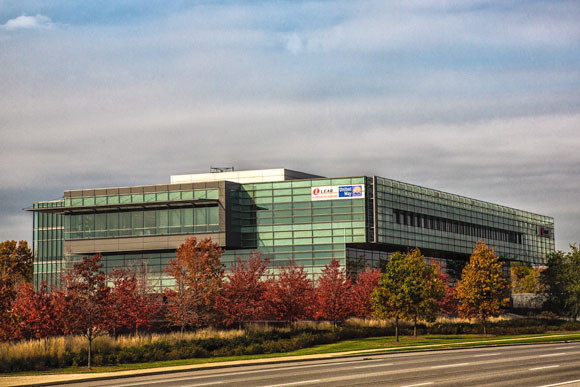
“[Lear] looked at moving out to Auburn Hills or Novi, but after really considering what they had, they decided to acquire more land. They removed about 12 acres of asphalt and developed a campus green that they clustered new buildings around, really creating a very sustainable site. That’s a good example of adaptive reuse and it was a very good thing for Southfield.”
“They saved this beautiful stone farmhouse that dates back to the early 1800s, and they connected to it with a new, extremely sustainable building and built their headquarters around the farmhouse. That building, I think, is one that architects and the public in Detroit can look to as an example of saving a historic structure and doing it in a way that’s very kind to the environment and to its neighbors.”
“The whole idea of bringing residential development to the center cities of Royal Oak, of downtown Birmingham, of Ferndale, all of these nice little downtowns, is something that has been a great move in the Detroit metropolitan area. The infusion of residential properties has really allowed the downtowns to flourish and come back.”
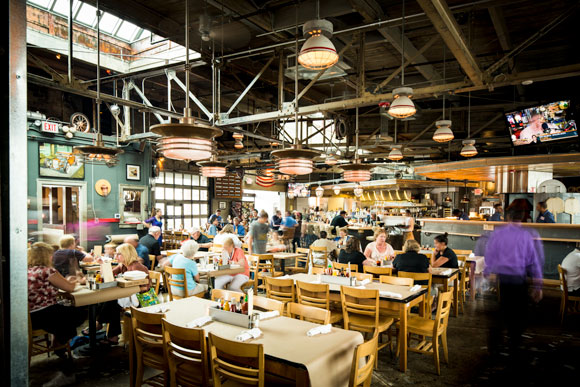
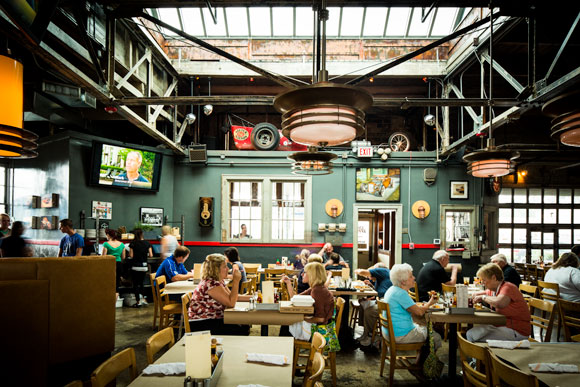
“I think it took a lot of balls and a lot of vision to look at a dumpy garage and basically embody the automotive aspect of this famous avenue. It seems like there’d be more roadside attractions on Woodward. It feels like one of the most Detroit things that’s ever been done.”
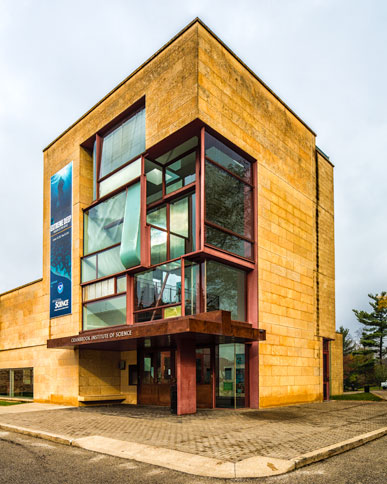
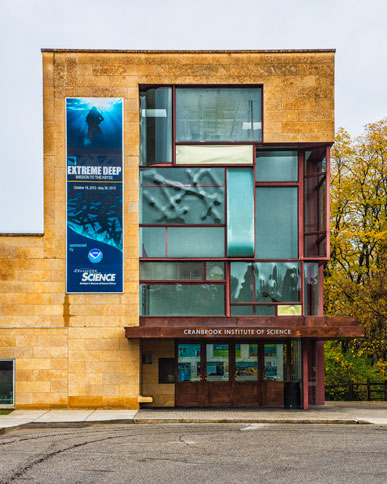
“I think of science as people experimenting with different elements—not much different from what we do as designers and architects. And the science center is kind of a package of scientific-architectural parallels. I think Steven Holl did an incredible job creating a house of architectural experimentation as a backdrop to a learning experience.”
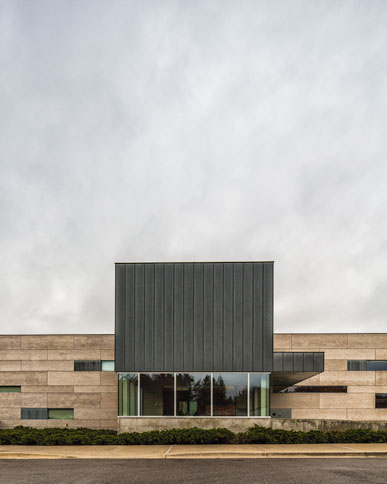
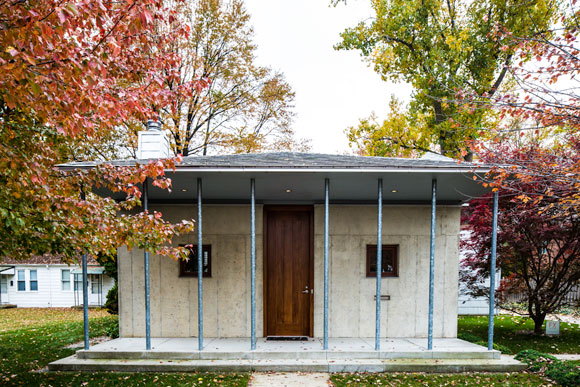
“It’s not apologetic about how it contrasts. With the unorthodox use of materials in a residential area, he’s found a way to almost camouflage, or take your eye off, what the material is, because it’s used in a way that’s still recognizably residential. But once you get up close you realize it’s a concrete façade on a very traditional front porch.”
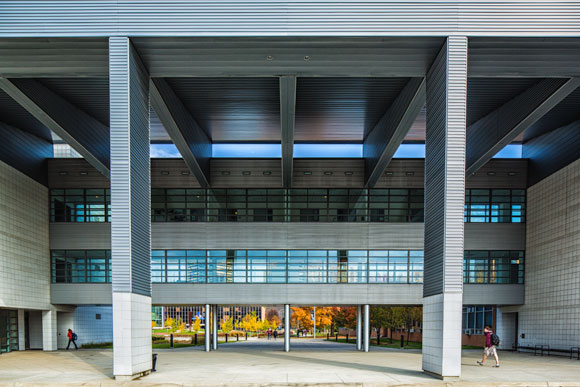
“What I looked at are facilities and complexes that try to create a sense of community. [The technical center] is kind of a mature development, but it’s a campus. And in that campus, they’re developing a sense of place. Even though the original buildings were from the 1950s, there’s been many additional buildings built since then.”
Cranbrook Schools
39221 Woodward Ave., Bloomfield Hills
Various architects
“It’s a series of buildings of many different ages that has a plan and creates a real sense of place. The new buildings have complemented and evolved that sense of place in a positive way without the mimicking that you see in some developments.”
“It’s primarily a commuter campus, but they now have housing for students, and they’re trying to make it more of an urban development. That’s the way we all have to live in the future, since we don’t have an unlimited amount of space to spread ourselves out and we can’t afford to transport ourselves between places as easily as we used to.”
Gina Van Tine, marketing and managing principal, inFORM Studio
“The meticulousness of their design is very evident there. I just think that project is amazingly well-done. If people are coming into town, or young people are asking us for our opinion on architecture that they should go to look at, far and away, Cranbrook is head and shoulders above everywhere else.”
“I think one of the most impactful things that has happened in the very recent past has been the way that GM has taken over the RenCen and really tried to engage the waterfront. That speaks to a larger design strategy for the area. You can’t emphasize that enough: the importance of changing that over from industrial, and turning our back on it, to actually embracing it and making use of it for the community at large.”
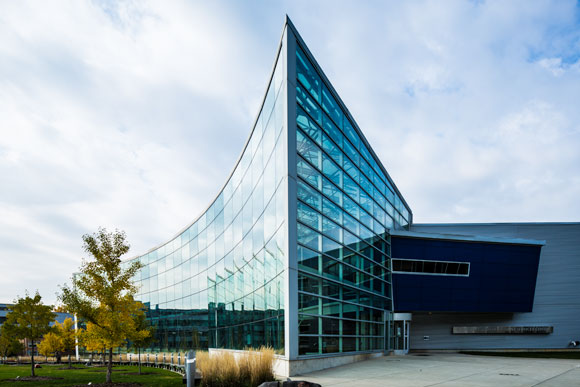
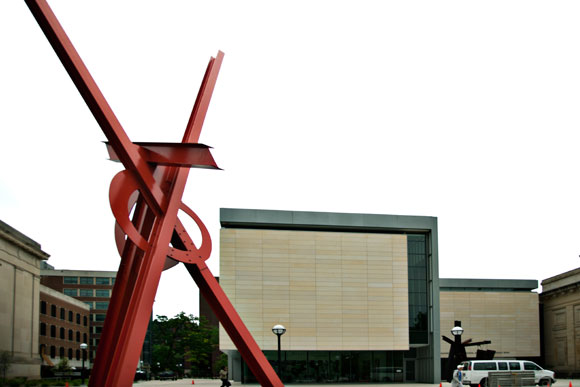
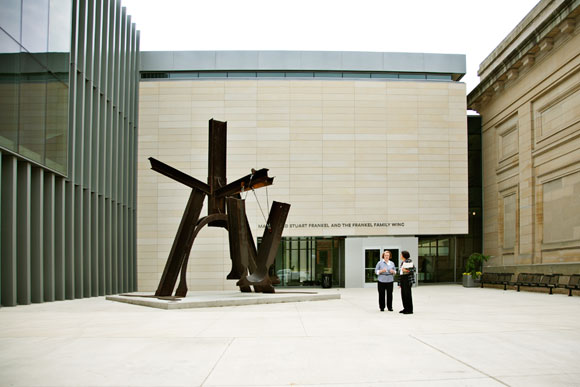
“It’s a very sensitive, well-thought-out juncture where it comes together [with the prevexisting section of the museum]. And as far as sitting on the site in its context, it’s a little bit understated, but so powerful in and of itself. I think everybody can really learn from that, whenever they’re faced with the challenge of adding on to a landmark building or some significant building in the area.”
Patrick Dunn is an Ann Arbor-based freelance writer and contributor to Metromode and Concentrate.
A new Trinity Health initiative will allow people in the Ann Arbor, Detroit, and Grand Rapids areas to access fresh, affordable produce from local organizations through their Medicaid health plans.
Pet owners who stay at an Oakland County homeless shelter this winter will be able to temporarily house their pets at the Oakland County Animal Shelter and Pet Adoption Center, thanks to a new partnership between the Pontiac-based Alliance for Housing and the animal shelter.