
From finding support to building a future: Kalasho connects immigrant families in metro Detroit
For immigrant families in metro Detroit, Kalasho Education & Youth Services offers connections to education, job training and culturally responsive care.
Roni Nissan first heard about Kalasho Education & Youth Services 14 years ago when he moved to Michigan.
“I heard they help people, support people, support the immigrant people when they get here the first time,” he says. “A lot of them they go to Mr. Assad if they need help.”
After taking vocational training, he became a transportation driver, and now serves as a supervisor for buildings and transportation.
The nonprofit Kalasho Education & Youth Services was founded in 2001 to provide education, workforce training and community services to low-income families from Chaldean and other communities in Southeast Michigan.
Nathan Kalasho, president of Kalasho Education & Youth Services, says the nonprofit is “an all-encompassing service network,” which provides behavioral health and educational support.
The nonprofit serves many people from war-torn countries, including refugees.
Kalasho says they frontload resources to help get families on their feet without relying on social services long-term.
“Like many sort of ethnic communities, [for] new Americans, there is a reliance on established networks, particularly when it comes to education and health,” he says.
A family of service
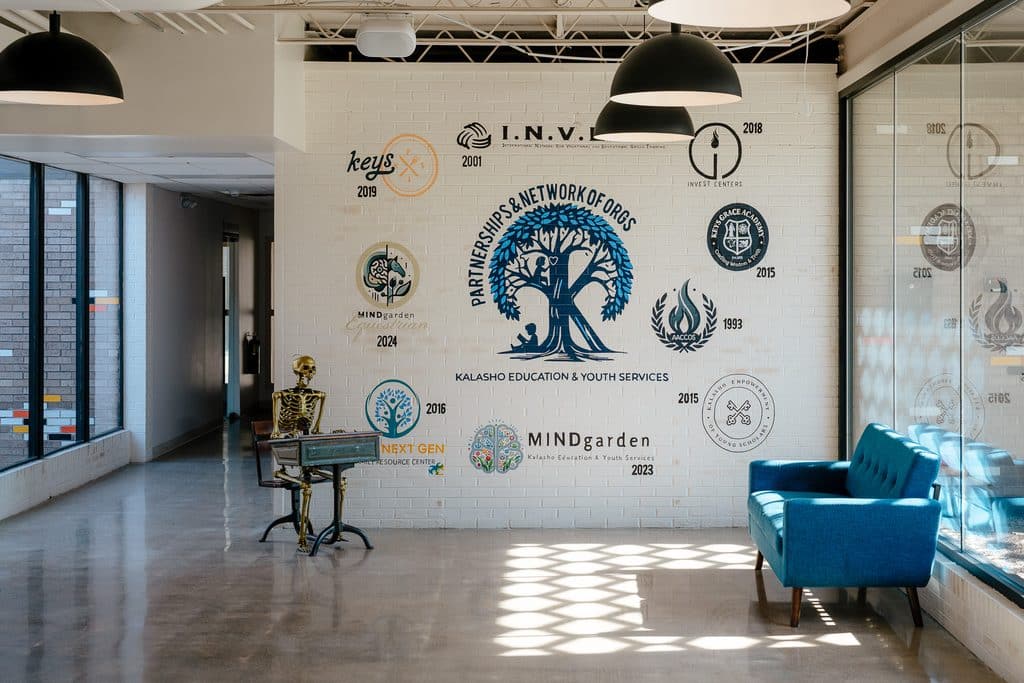
Nathan’s parents, Assad and Neran Kalasho, are Chaldean immigrants who came from Iraq to the U.S. in the 1970s. As educators, they founded American Arab Chaldean Outreach Services in 1993 in Detroit, which later became Kalasho Education & Youth Services in 2001.
Metro Detroit is home to 187,000 Chaldeans, according to the Chaldean Foundation. Chaldeans began immigrating to the area from Iraq in the 1920s, seeking religious and political freedom and socioeconomic opportunities, including automotive jobs and entrepreneurship.
Many live in Southeast Michigan near family, faith and community.
In 2015, the nonprofit opened Keys Grace Academy Charter School in Madison Heights for Chaldean students to find a sense of community and cultural preservation. Students learn English, modern Aramaic, and Spanish or French in a K-12 setting, along with history classes about Mesopotamia. The school provides transportation, uniforms and meals.
It’s also open to all students.
Nathan says the nonprofit’s services complement each other, focusing on teaching people skills so they can focus on “bringing income into the home, establishing themselves, and/or pursuing educational or working opportunities.”
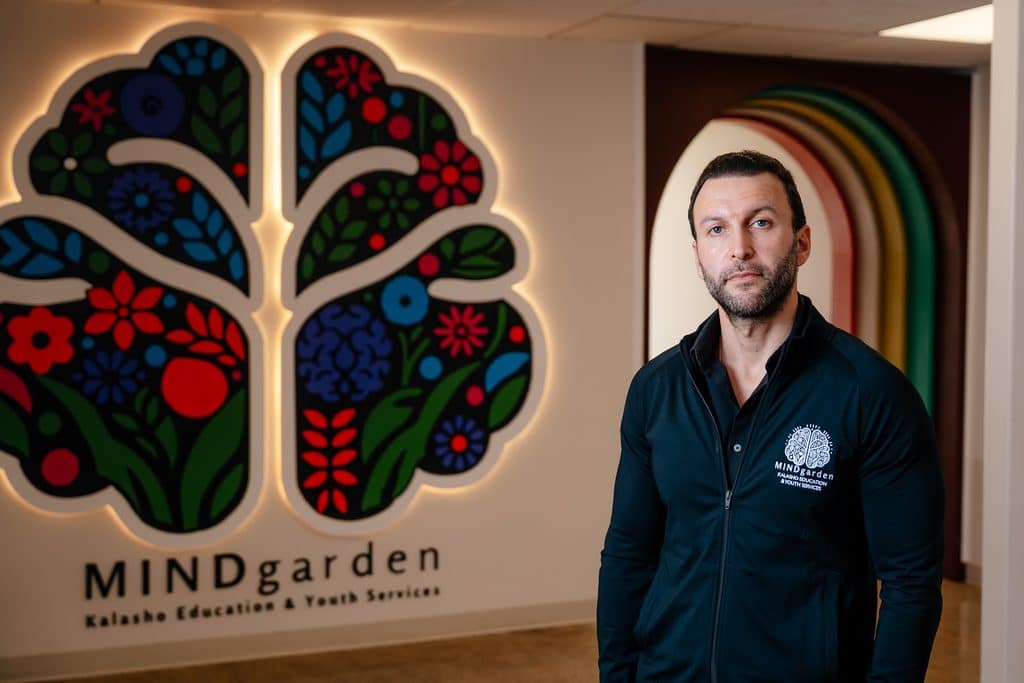
The nonprofit has multilingual staff and 27 partner institutions. It reports serving 30,000 people from low-income families from more than 25 countries.
Some started in programs like INVEST and later became paid staff themselves, giving back to others.
Nissan says the nonprofit meets people where they are.
Expanding care
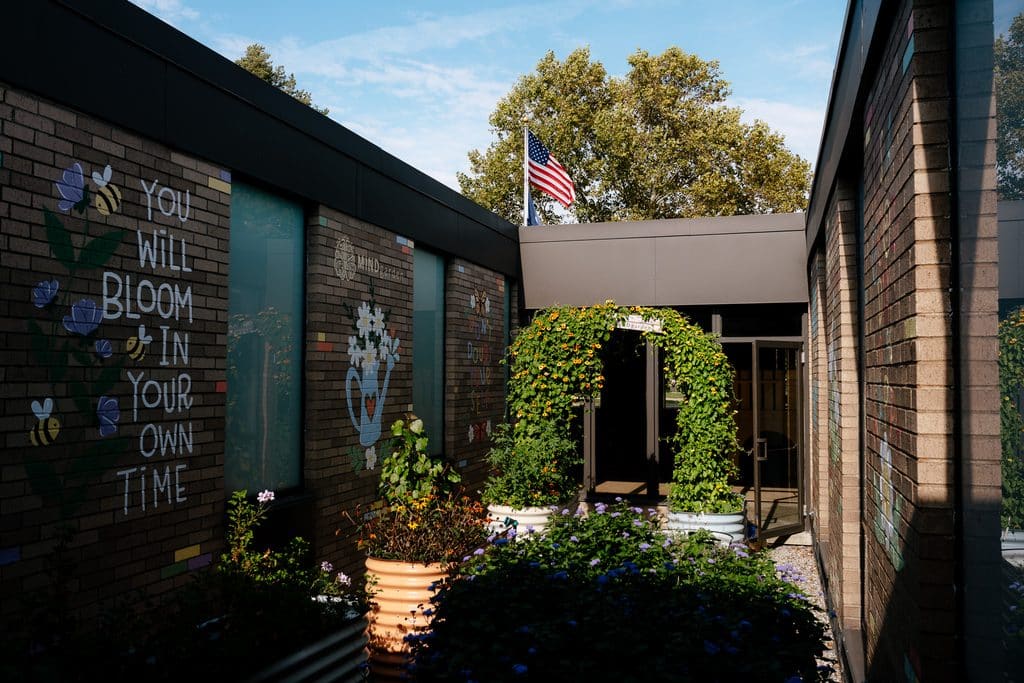
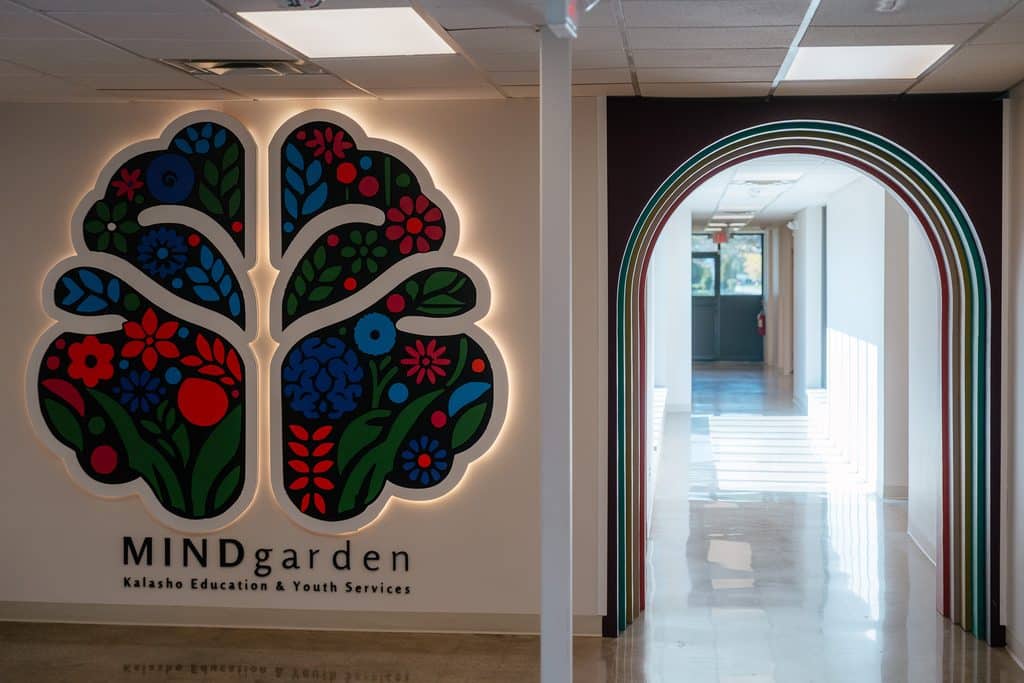
In 2024, Kalasho Education & Youth Services opened the MINDgarden Center to provide mental health and behavioral health services in Warren.
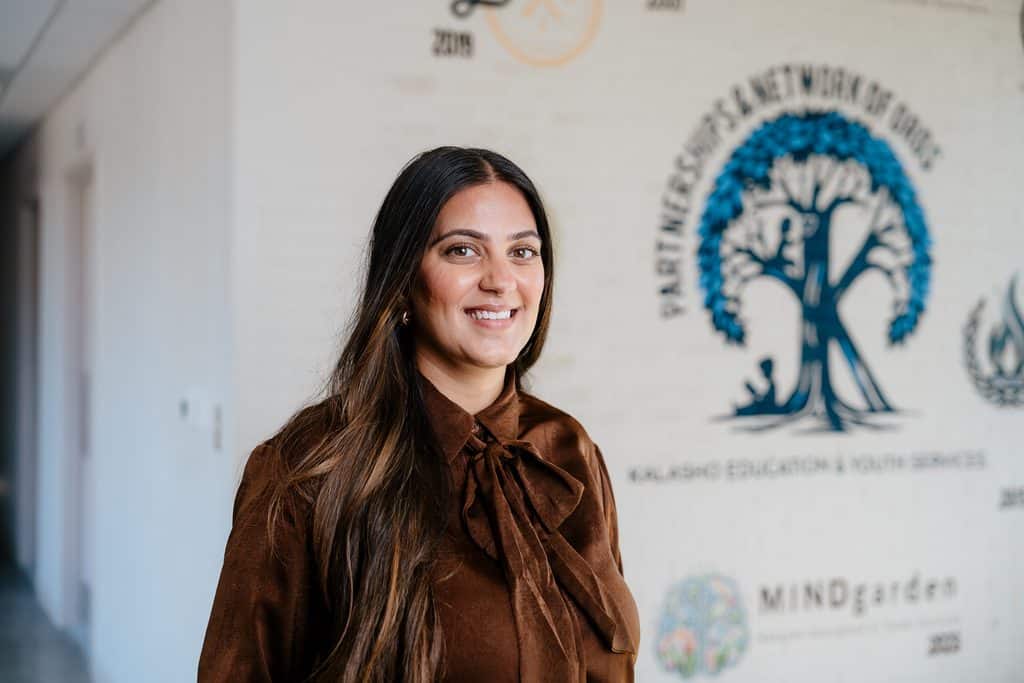
Sumaiya Ahmed Sheikh, executive director, says the space hopes to inspire growth.
“Everyone can come as they are, feel valued, feel beautiful, feel smart,” she says.
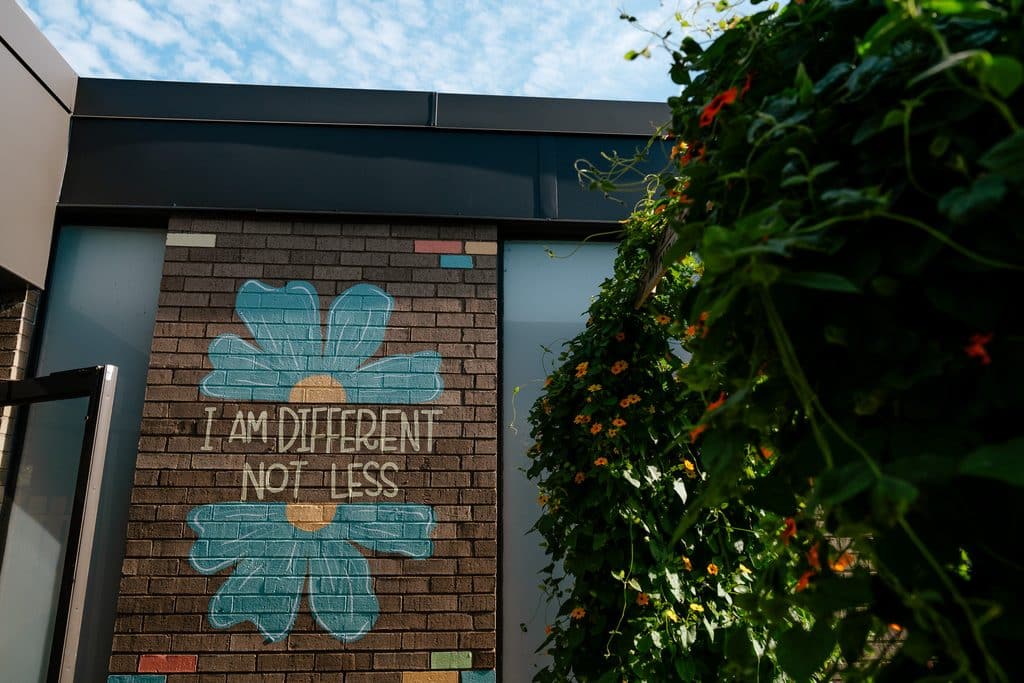
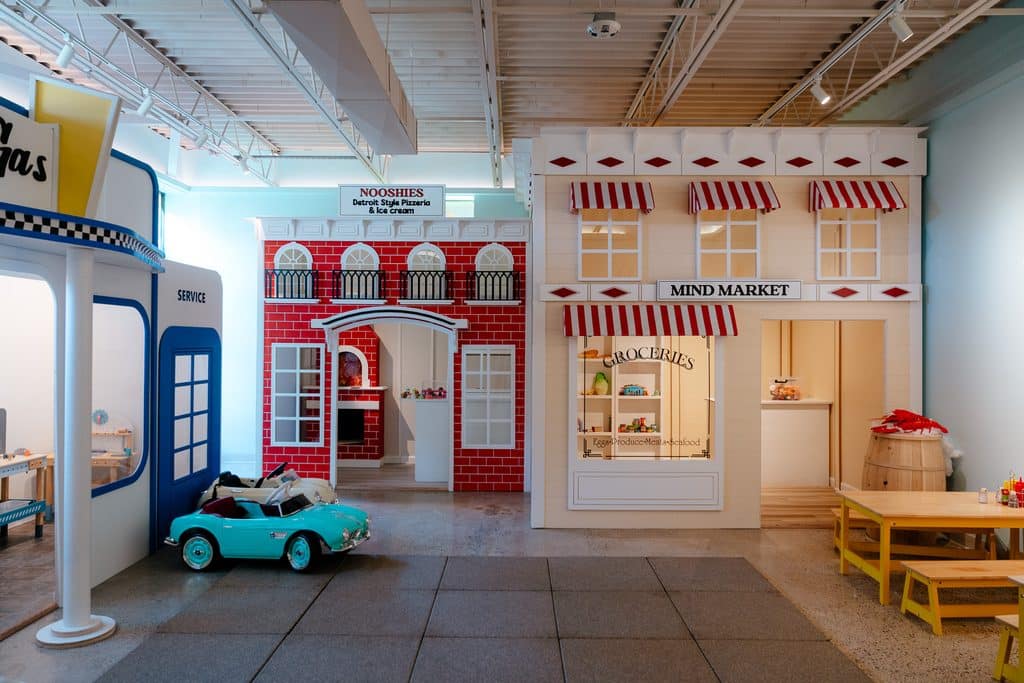
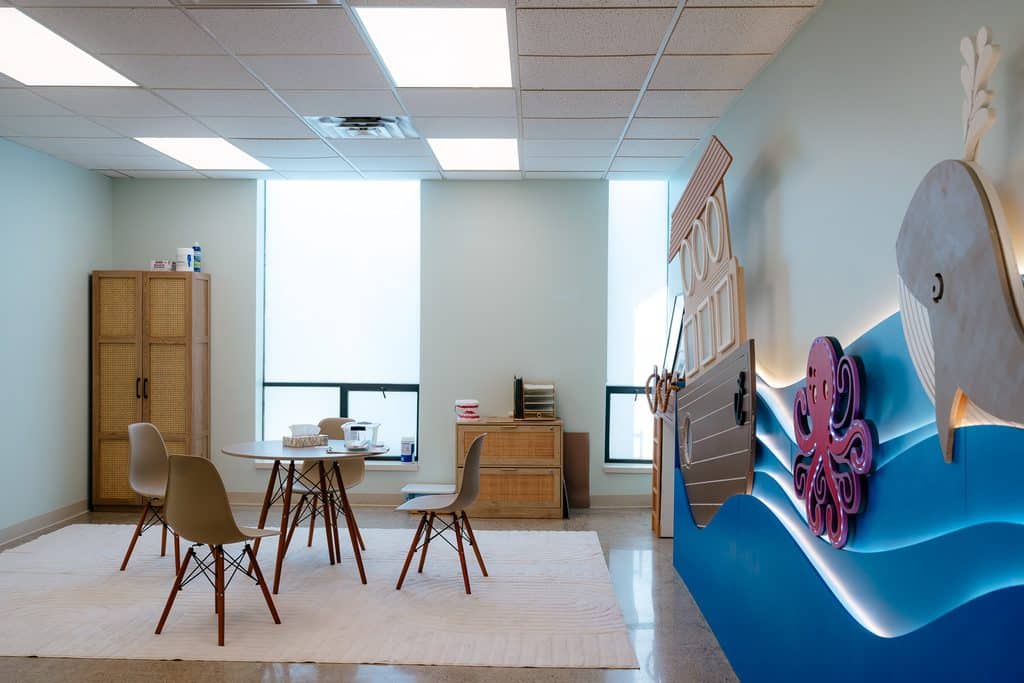
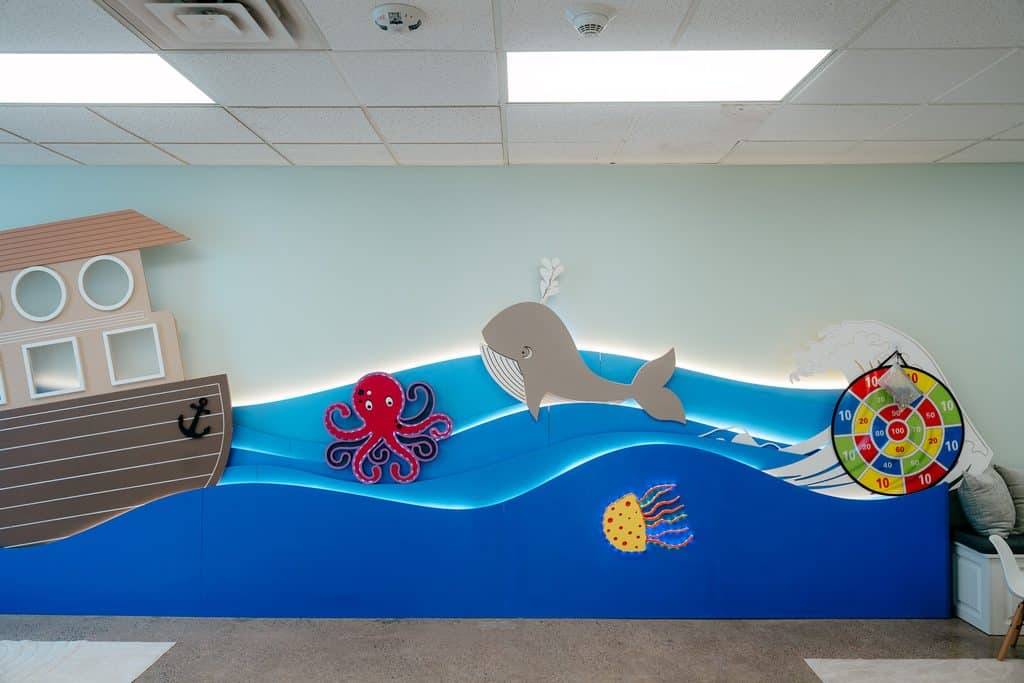
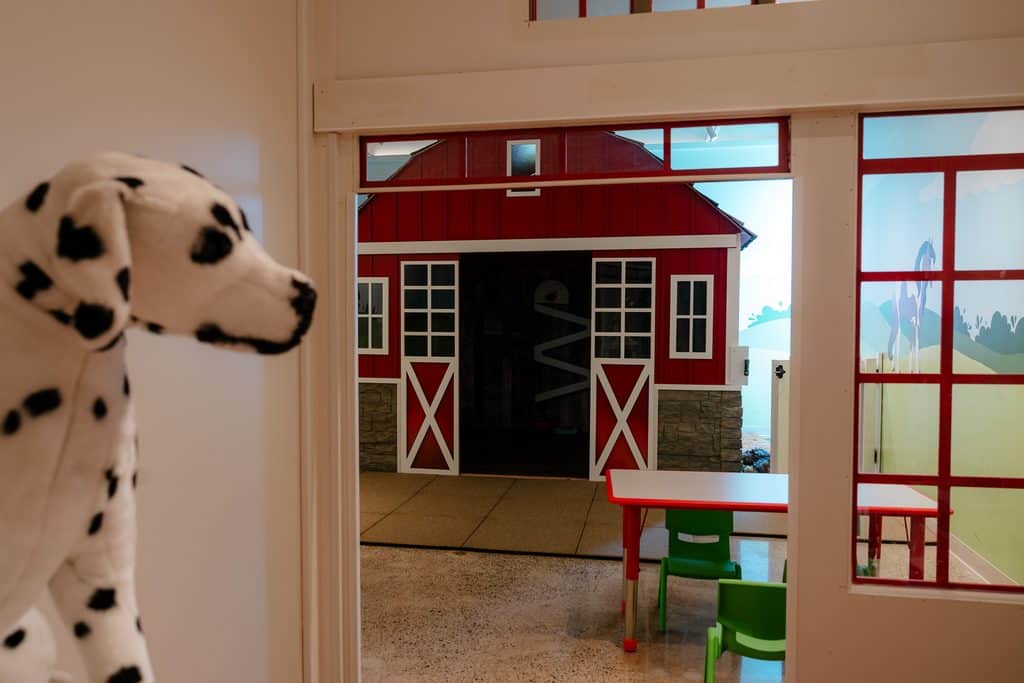
The space features bright colors and rooms for different activities.
“There are life skills rooms to allow folks who are coming to maybe Michigan or America for the first time to be able to see what the world around them is going to be like,” she says.
Sheikh says services vary depending on a family’s needs, from child-based therapy, such as learning how to go to the barber for the first time, to workforce opportunities for a parent.
“They’re actually able to see what that experience would look like in the real world, rather than just talk through everything,” she says.
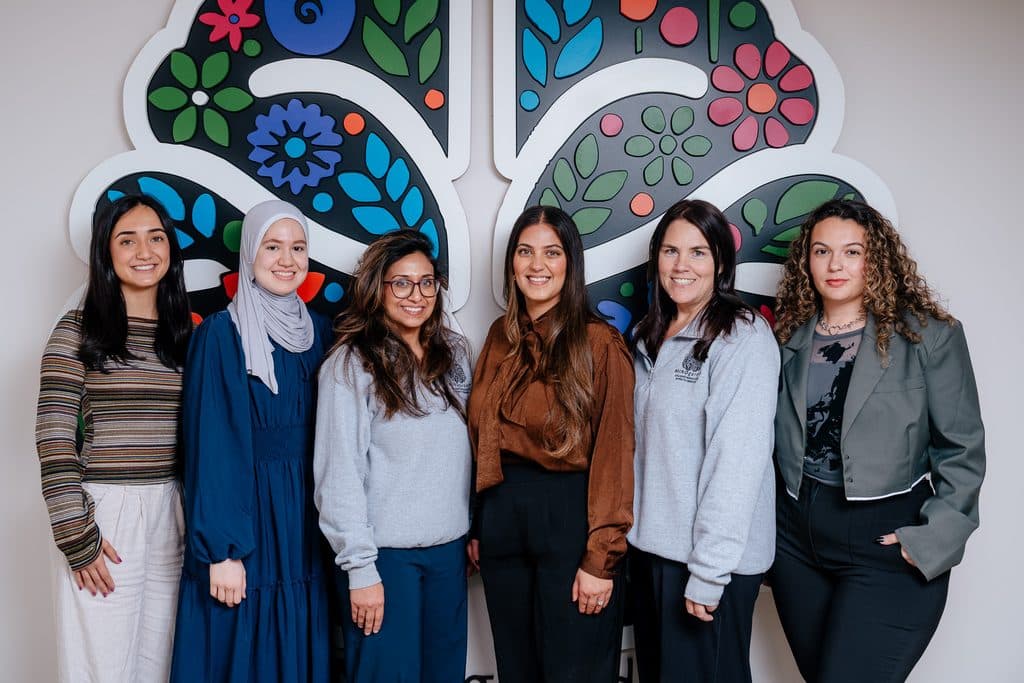
The nonprofit also provides a space for people who may not already have a built-in community, including people from Arab American, Chaldean, Assyrian, South Asian and other Asian communities, Sheikh says.
Sheikh says Warren offers a central location for clients coming from Detroit and the suburbs.
Providing culturally competent services
Sara Merditaj, director of operations, says the nonprofit has diverse staff, which helps build understanding between therapists and clients and address stigma toward therapy.
“We do have scenarios where they’re like, ‘I don’t want to see that therapist because I don’t think they’ll relate to me.’ But then, once they see that therapist, they’re like, wow, they know a lot about my culture and my religion,” she says.
Merditaj says kids are coming in with anxiety, and parents are dealing with abuse or PTSD.
As the child of Albanian immigrants, she understands what it’s like growing up in an immigrant family. She says she can relate to the struggles of the kids and their families.
“There is always someone for you to talk about your emotions and express your feelings and just help you out in the long term because everyone deserves to live a self-fulfilling life,” she says.
Sheikh says the center is open to people from all backgrounds.
“Although this service was a necessity for Chaldeans and Assyrians who didn’t feel like they had a place to get these services, the (Kalasho) family was so gracious and worked really hard to ensure that that wasn’t the case for the immigrants that came here,” she says.
Point of Entry is a series exploring the lived realities and vital contributions of immigrant communities across Southeast Michigan. This is a collaboration with New Michigan Media, supported by the Community Foundation for Southeast Michigan. See more stories from this series here.
Related Articles
Finding community and career connections: Young Igbo adults build a network in metro Detroit
From the kola nut tradition to professional networking, UIU Detroit creates space for young adults to connect with their heritage and one another.
Michigan farmworkers hold onto hope amid increased immigration enforcement; nonprofits provide resources
Through Know Your Rights education, family preparedness and workplace advocacy, organizations help farmworkers navigate threats to their families and livelihoods.
Thumb Art Spark initiative connects artists, communities, and businesses ahead of 2027 public art celebration
Planned for September 2027, the Thumb Art Spark Celebration will bring communities across the region to highlight existing public art, showcase new projects, and give residents and visitors new ways to explore the places where they live.


