
Community mental health outreach promotes services, reduces stigma, and removes barriers
Summit Pointe’s outreach efforts have evolved in recent years to better connect residents with mental health services.
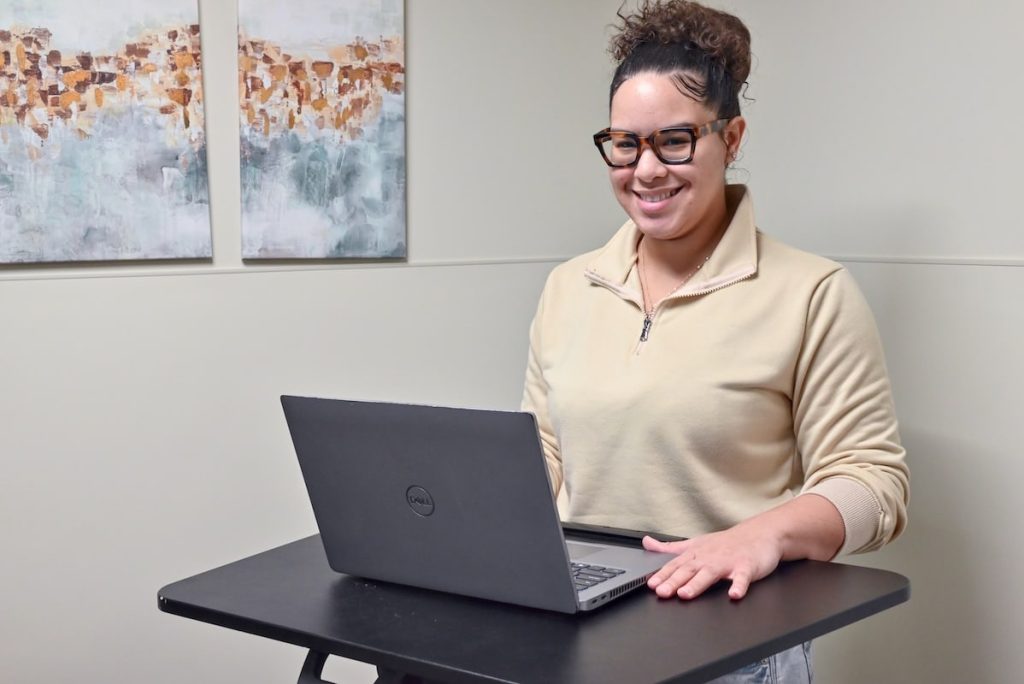
At Summit Pointe, Calhoun County’s community mental health agency (CMH), outreach efforts have evolved in recent years to better connect residents with services, reduce stigma, and remove barriers that prevent individuals from accessing care. Through a combination of digital engagement, community-based initiatives, and targeted messaging, the CMH is working to ensure mental health resources are both visible and accessible.
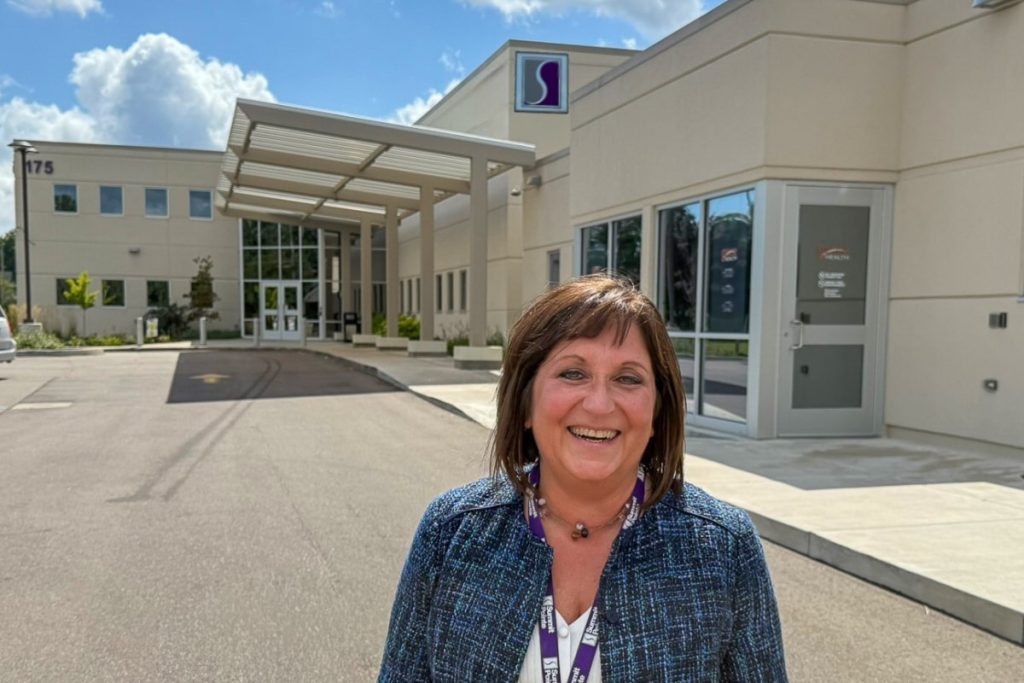
“We have found that much of the community doesn’t know the breadth of services that Summit Pointe has to offer,” says CEO Jeannie Goodrich. “We have spent considerable time attempting to update the community on those services.”
That realization has shaped a broader shift in how Summit Pointe approaches care. Communication is no longer viewed as separate from treatment, but as a foundational part of it. Without clear, consistent outreach, even the most comprehensive services can remain underutilized.
Digital outreach a priority
Summit Pointe has expanded its digital presence as a primary way of connecting with the community. About two years ago, the organization began prioritizing social media platforms to share information about programs, services, and organizational updates. Alongside its primary accounts, Summit Pointe launched pages on Facebook and LinkedIn that highlight staff and board members in addition to traditional service-focused messaging.
By putting faces to the organization, leaders aim to build trust and create a more personal connection with the public — a step that Goodrich feels is increasing in importance in a field where stigma and uncertainty can discourage people from seeking help.
At the same time, Summit Pointe has updated its website to serve as a central hub for information. Social media posts are designed to drive users back to the site where they can explore services in greater depth and learn how to access care. The approach is rooted in a simple goal: Making information easier to find and understand.
A key part of that strategy involves reaching individuals who may not yet be ready to pursue formal mental health services. For many, stigma, uncertainty, or fear can prevent an initial connection with a provider. To address this, Summit Pointe offers access to CredibleMind through its website, providing podcasts, blogs, and educational materials that users can explore privately. The resource saw increased engagement during the COVID-19 pandemic, reinforcing the importance of accessible, low-barrier information. Since then, Summit Pointe has worked to ensure these virtual tools remain visible and easy to navigate.
“CredibleMind allows the community to access various resources without coming into Summit Pointe for services,” says Goodrich. “Since COVID, we’ve ensured that our messaging about program enhancements, location changes, and any type of programming change is pushed through social media channels.”
Podcasts invite engagement
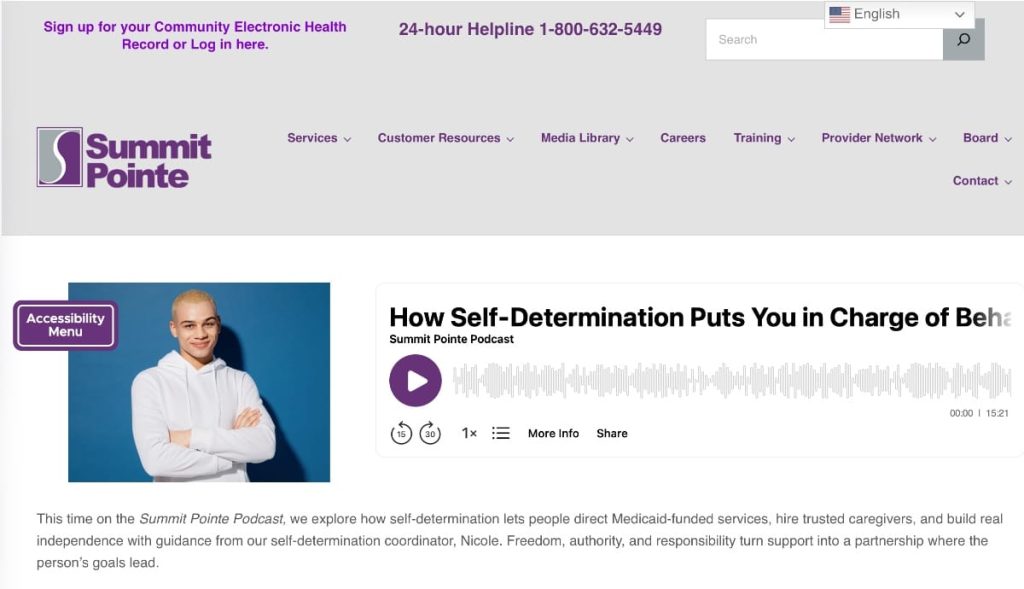
Summit Pointe has also partnered with a local producer to create its own podcast content, highlighting programs, staff expertise and organizational priorities. These episodes are shared across digital platforms, with engagement data helping guide future outreach efforts. While digital tools have expanded access to information, they do not reach all populations equally. As a result, in-person engagement remains a critical part of the organization’s outreach strategy.
In addition to strengthening its presence online and through social media, stronger efforts are being made to focus on areas where awareness of services may be lower and prioritizing face-to-face engagement. These efforts are particularly important for underserved populations, who may face additional challenges such as transportation limitations, limited internet access, or unfamiliarity with the health care system. By bringing information directly into neighborhoods, Summit Pointe aims to reduce those barriers and strengthen connections with the community.
“We look at our data, at where we need to ensure communication is being sent by zip code in our county,” says Goodrich. “We provide lunch-and-learns at local churches in these areas and ensure we are effectively communicating how to access our services.”
Beyond awareness, stigma remains one of the most significant obstacles to mental health care. Even when individuals know services are available, negative perceptions can discourage them from seeking help. To address this, Summit Pointe is preparing to launch an anti-stigma and awareness campaign designed to reshape how behavioral health care is viewed within the community. The initiative aims to reach individuals who may not currently engage with services, as well as those who may benefit from increased understanding and support.
“We hope this initiative will address the stigma behind behavioral health care and reach the community that isn’t accessing our services or knows someone that should be accessing our services,” says Goodrich.
24/7 mental health care
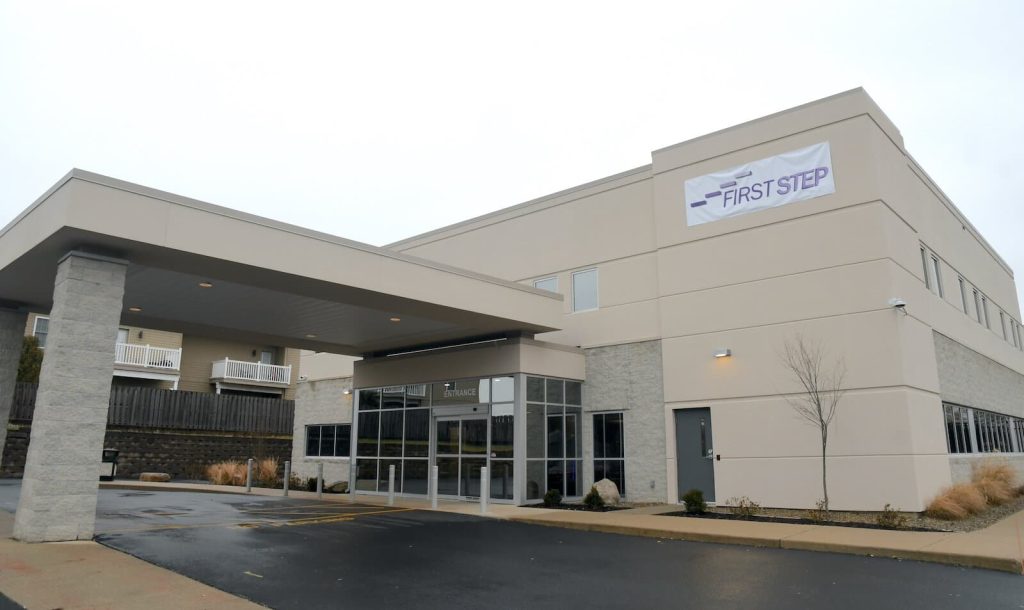
Another key lesson from Summit Pointe’s outreach efforts is the importance of simplicity in communication. Rather than overwhelming residents with a wide range of services, the organization promotes First Step, its psychiatric urgent care center.
“Sometimes the single message we can deliver effectively about the access point is going to help navigate the public to our services,” says Goodrich.
By focusing on a clear and accessible “front door,” Summit Pointe aims to make the process of seeking help less intimidating and easier to navigate. The approach reflects a broader trend in public health communication, where clarity and ease of access are prioritized to improve outcomes.
Summit Pointe’s evolving outreach strategy underscores a growing recognition that communication plays a central role in public health. From digital platforms to in-person engagement, each effort is designed to reduce barriers, build trust, and ensure that individuals know where to turn when they need help.
Goodrich says, “Using the social media channels, the updated website, and other communication channels — any way to get our message into the hands of the local community — has been the most important.”
Photos by John Grap.
The MI Mental Health series highlights the opportunities that Michigan’s children, teens and adults of all ages have to find the mental health help they need, when and where they need it. It is made possible with funding from the Community Mental Health Association of Michigan, Center for Health and Research Transformation, OnPoint, Sanilac County CMH, St. Clair County CMH, Summit Pointe, and Washtenaw County CMH and Public Safety Preservation Millage.
Related Articles

Partner Partner Content Suicide Prevention Month: Creating Connection Before a Crisis
Suicide prevention starts long before a crisis occurs. It begins by creating communities where people know they matter and know where they can turn when they need support.

Partner Partner Content Seeking mental health services can be overwhelming. Here’s where to begin
For people experiencing a mental health or substance use crisis, deciding where to turn for help can be overwhelming. Macomb County Community Mental Health offers a range of services designed to help residents navigate those decisions.

Rx Kids expansion to 60 Michigan communities is balancing family budgets and birthing healthier babies
The Michigan program is the largest unconditional cash transfer program for expectant parents in the country.


