
The people behind the system: How community boards shape mental health care
Community mental health boards play a critical role in designing, funding, and delivering mental health services.
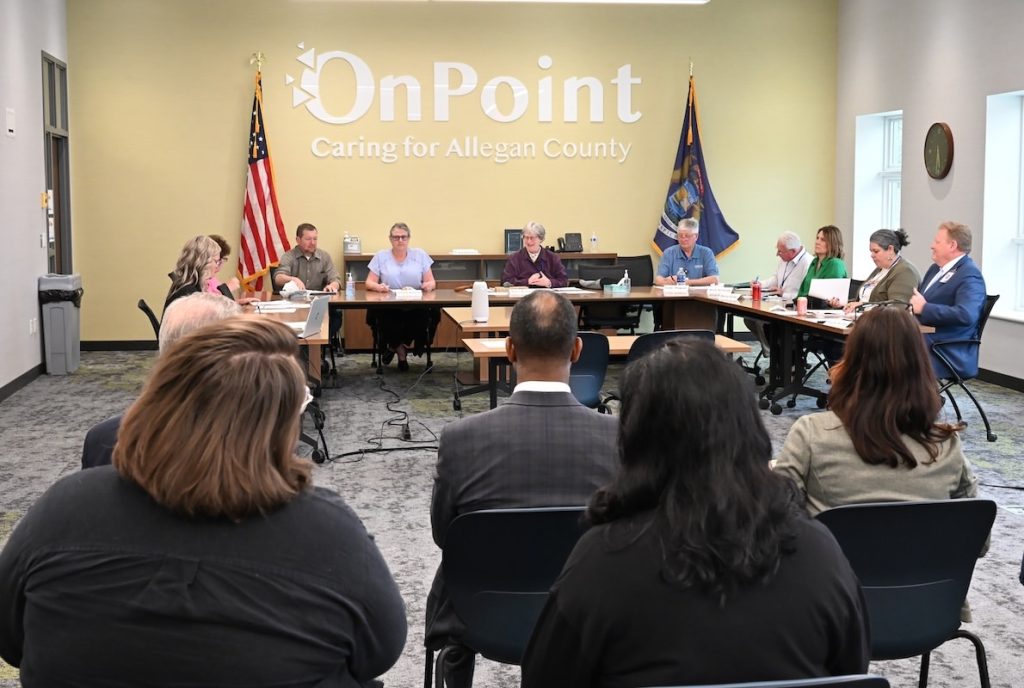
When a parent can’t find care for their child, when someone cycles through the emergency room without the right support,or when a community faces a crisis, the people shaping those outcomes are often not the ones providing care — but the ones governing it.
Across Michigan, community mental health (CMH) board members play a quiet but critical role in determining how mental health services are designed, funded, and delivered. Appointed at the county level under Michigan’s Mental Health Code, these boards are responsible for oversight and direction, not daily operations. Their decisions influence everything from crisis response systems to whether someone can access care in time. At their core, CMH boards are designed to keep decision-making close to the communities they serve.
A governance structure built for community voice
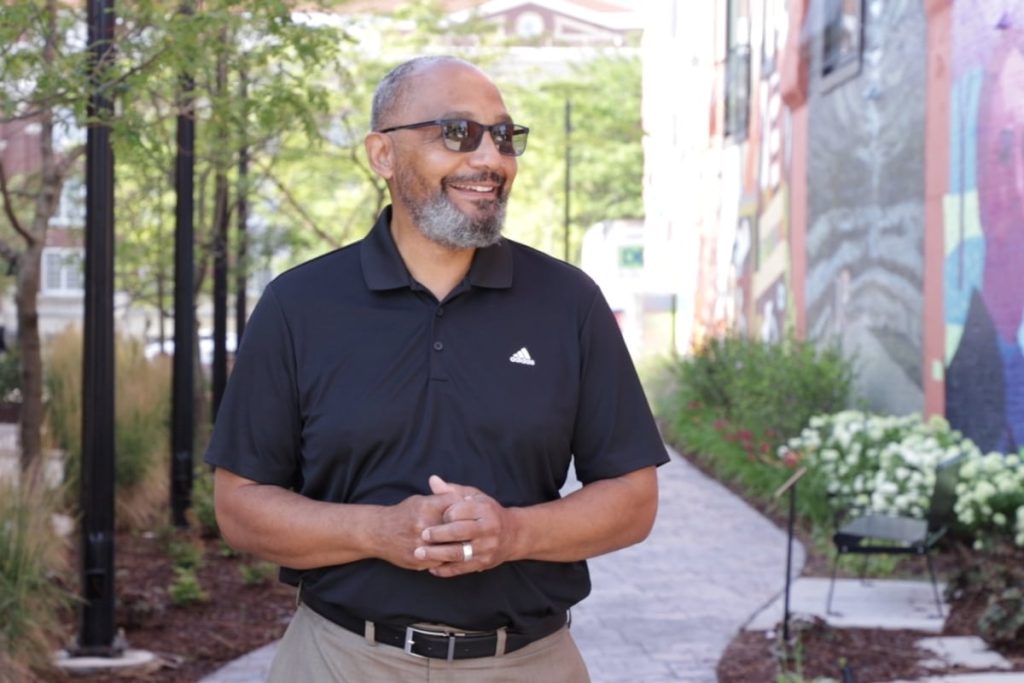
Michigan law requires each community mental health board to include a mix of perspectives, including people receiving services, family members, and community representatives. This structure ensures that decisions are informed not only by policy, but also by lived experience. That diversity is what makes the system responsive, says Edward Woods, Lifeways‘ longest-standing Board Member and immediate past chair of the National Council for Mental Wellbeing.
“I see my role as a board member as an advocate for the consumers that use the services,” Woods says. “You need to have an ear in the community as to what’s going on, what’s needed, and what’s not needed.”
In Michigan, CMH board members are appointed by county commissioners, reinforcing a direct link between local government and mental health systems. That connection allows community members to raise concerns and influence decisions in real time.
“If you have a personal problem and you want to talk to the board directly, you can,” Woods says. “People show up at meetings. They talk to county commissioners. That’s how policy changes.”
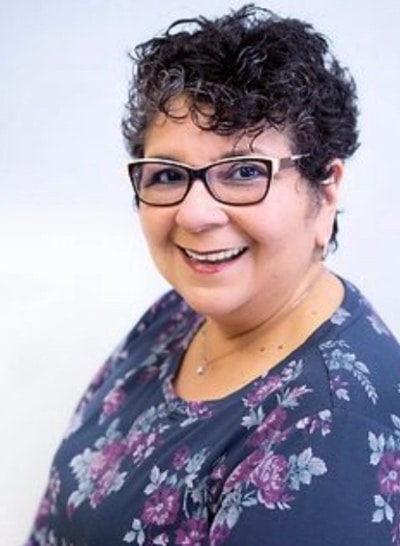
While CMH boards do not provide services themselves, they have collective power to determine how services are structured, funded, and evaluated.
“Being a community mental health board member means being a listener and a learner and a responsible steward for our neighbors who may not always have a voice in the room,” says Jessica Totty, a St. Clair County CMH board member since 2021.
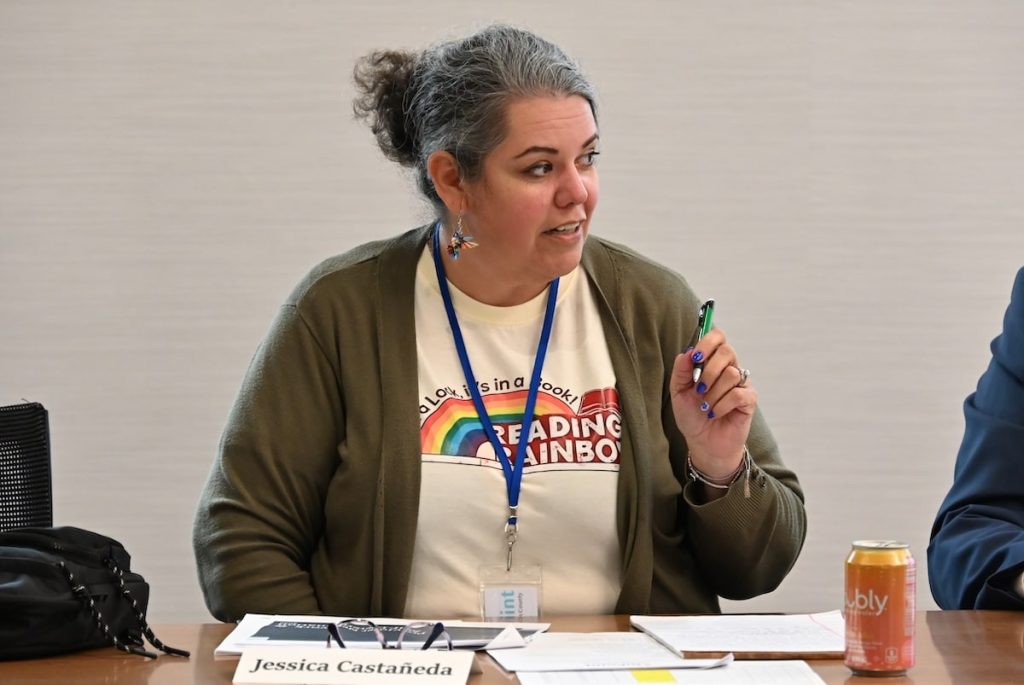
In practice, that role requires reviewing budgets, analyzing data, approving policies, and asking difficult questions about whether systems are meeting community needs. From a broader perspective, the influence of board members is both formal and far-reaching. Alan Bolter, CEO of the Community Mental Health Association of Michigan, says boards play a central role in shaping how organizations operate and evolve.
“Board members have final review and approval of policy and procedures that outline how an organization will adopt and use evidence-based practices aligned with law, statute, and accreditation,” Bolter says. “They also take part in strategic planning and development to approve the agency trajectory toward mission, vision, and goals.”
Those responsibilities mean that decisions made at the board level ultimately shape how care is experienced on the ground.
Board members bridge policy with lived experience
One of the most important roles CMH boards play is translating community needs into system-level change. Woods gives an example of the responsibility board members have to review data and draft policy solutions in response. He says that after reviewing recent data, they saw that inner-city residents are not accessing opioid treatment at the same rate as others. After group discussion and analysis, the board realized that the issue is access.
“The location was out at the end of the bus line,” he says. “It just wasn’t convenient for folks to get care.”
After understanding the issue at hand, board members ensured services were expanded to more accessible locations, making treatment easier to reach. This kind of change is rooted in formal processes. Under Michigan law, boards are required to conduct annual community mental health needs assessments and approve service plans that determine what programs will operate and how care will be delivered. Those assessments help identify gaps for individuals with serious mental illness, developmental disabilities, and serious emotional disturbance.
Bolter says these processes are essential to ensuring care evolves with community needs. In one case, after data shows an overreliance on emergency departments and inpatient hospitalization, a board directs staff to redesign crisis services. That shift helps move the system toward more timely, community-based care rather than reactive hospital use.
Funding decisions shape access
Board members also play a central role in determining how resources are allocated. They approve annual budgets, submit funding requests for Medicaid, state, and local dollars, and hold public hearings before those requests are finalized. They also set financial policies and oversee how funds are spent. These decisions directly affect what services are available and who can access them. Balancing financial constraints with growing demand is one of the most challenging aspects of the role.
“You have to be a pretty decent accountant to be a community mental health board member,” Woods says. “There are financial limitations, clinical limitations … you have to balance all those things together.”
To make informed decisions, boards rely on multiple sources of input, including public comment, advisory committees, and partnerships with local institutions. Board members also pay attention to patterns they see across the community, including barriers related to transportation, housing, and access to timely care.
“The structure of the board itself helps,” Totty says. “Representation of people with lived experience, family members, and community members bring concerns to the table. When we see consistent patterns … we treat that as a call to action.”
For many board members, the role is a form of community stewardship.
“Being an advocate for the underserved has always been a passion of mine,” Totty says.
That sense of responsibility drives board members to navigate complex systems, review extensive materials, and make difficult decisions about funding and services. It also ensures that, even within a large and complex system, care remains grounded in something simple: people looking out for their neighbors.
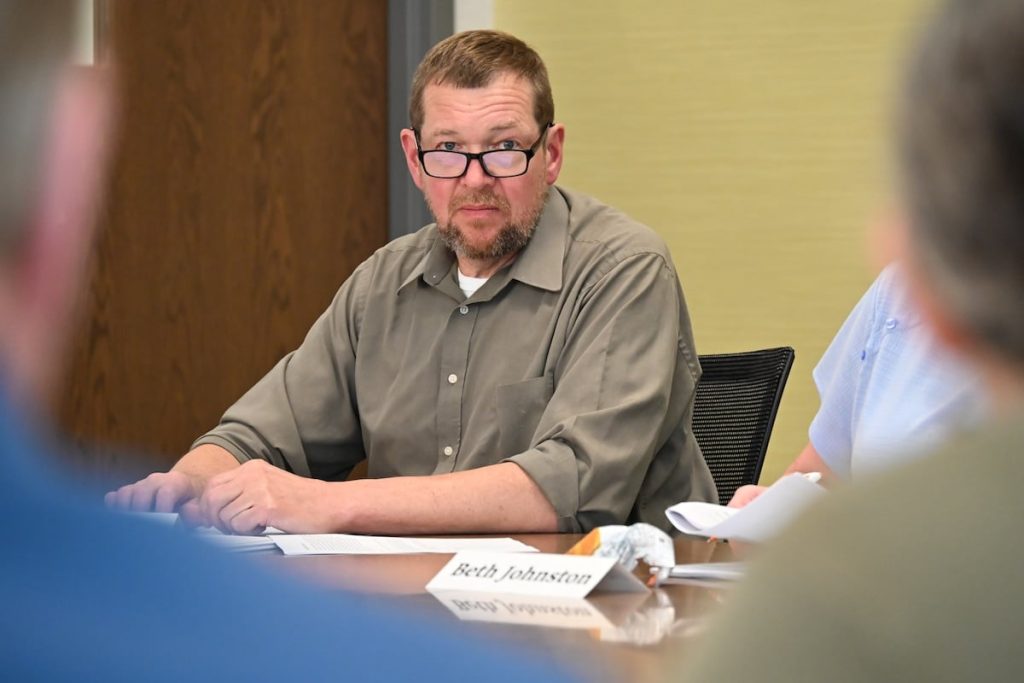
Photos by John Grap.
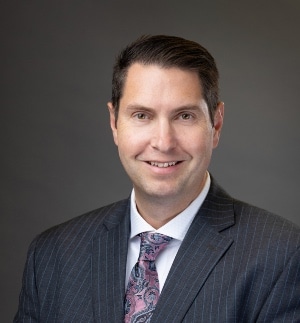
Edward Woods photo courtesy LifeWays. Jessica Totty photo courtesy St. Clair County CMH. Alan Bolter photo courtesy CMHA.
The MI Mental Health series highlights the opportunities that Michigan’s children, teens and adults of all ages have to find the mental health help they need, when and where they need it. It is made possible with funding from the Community Mental Health Association of Michigan, Center for Health and Research Transformation, OnPoint, Sanilac County CMH, St. Clair County CMH, Summit Pointe, and Washtenaw County CMH and Public Safety Preservation Millage.
Author

Related Articles

Partner Partner Content Suicide Prevention Month: Creating Connection Before a Crisis
Suicide prevention starts long before a crisis occurs. It begins by creating communities where people know they matter and know where they can turn when they need support.

Partner Partner Content Seeking mental health services can be overwhelming. Here’s where to begin
For people experiencing a mental health or substance use crisis, deciding where to turn for help can be overwhelming. Macomb County Community Mental Health offers a range of services designed to help residents navigate those decisions.

Rx Kids expansion to 60 Michigan communities is balancing family budgets and birthing healthier babies
The Michigan program is the largest unconditional cash transfer program for expectant parents in the country.


