
Nourishing Communities: How Urban Agriculture feeds, educates, and uplifts Michigan cities
Community gardens provide more than just food for urban residents. These organizations serve as educational centers, community spaces, and environmentally-friendly food production for urban Michigan residents.
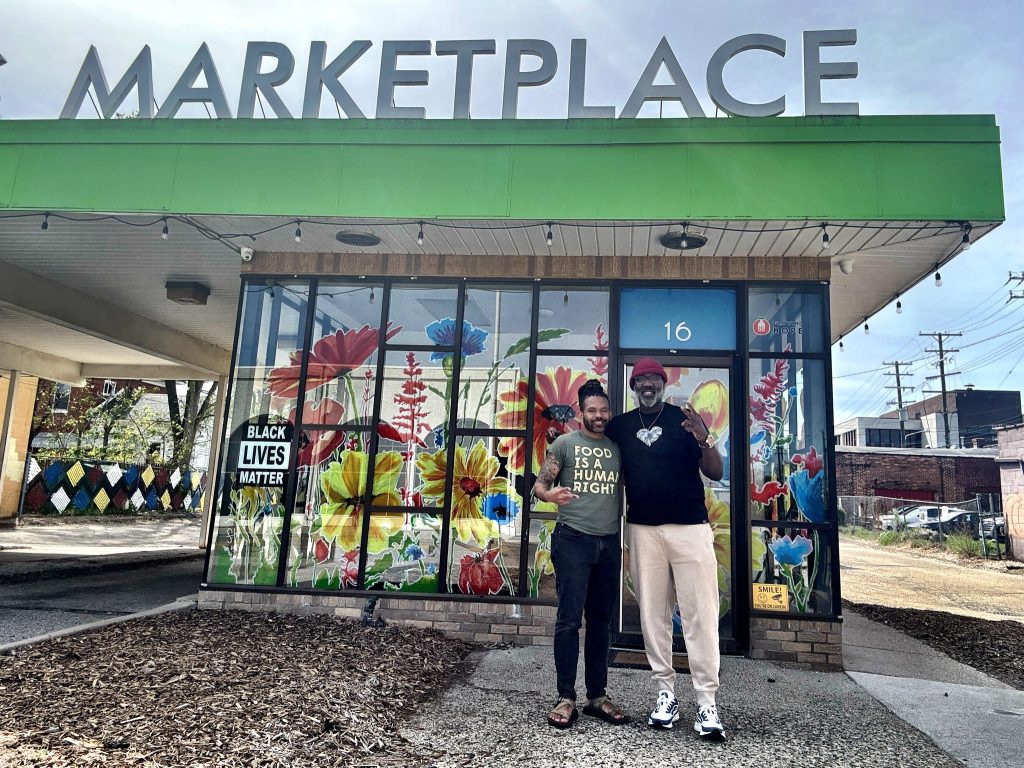
Community gardens give everyone, no matter their living situation, the chance to grow their own food or learn more about eco-friendly agriculture, all while nourishing and feeding their communities.
But what is community and urban agriculture?
It’s a method of food production in cities and suburbs that provides food to the people who live closest to where the food is grown, says Naim Edwards, the Director of Michigan State University Extension’s Urban Agriculture Center.
Community gardens typically feature a diverse range of crops that produce nutritionally dense, nourishing food, Edwards says.
“Ecologically, [community agriculture] tends to be more diverse. So urban farms and community gardens usually grow anywhere from five to 50-plus things, whereas an (industrial) farm is just acres on acres of one thing, which is not healthy for biodiversity, for insects, for birds, pollinators, mammals, humans, air quality, water quality,” he says. “It creates a degraded ecosystem – essentially a less resilient system that is more dependent on water, fertilizer, and energy – whereas urban and community agriculture tend to work more in harmony with the earth and with the surrounding community.”
During economic downturns and supply chain disruptions – most recently, the COVID-19 pandemic – urban residents turn to community agriculture to save money on food costs and foster self-reliance.
Let’s explore five cities across Michigan that are prime examples of urban gardens that foster community and make the Mitten a more food-sustainable place.
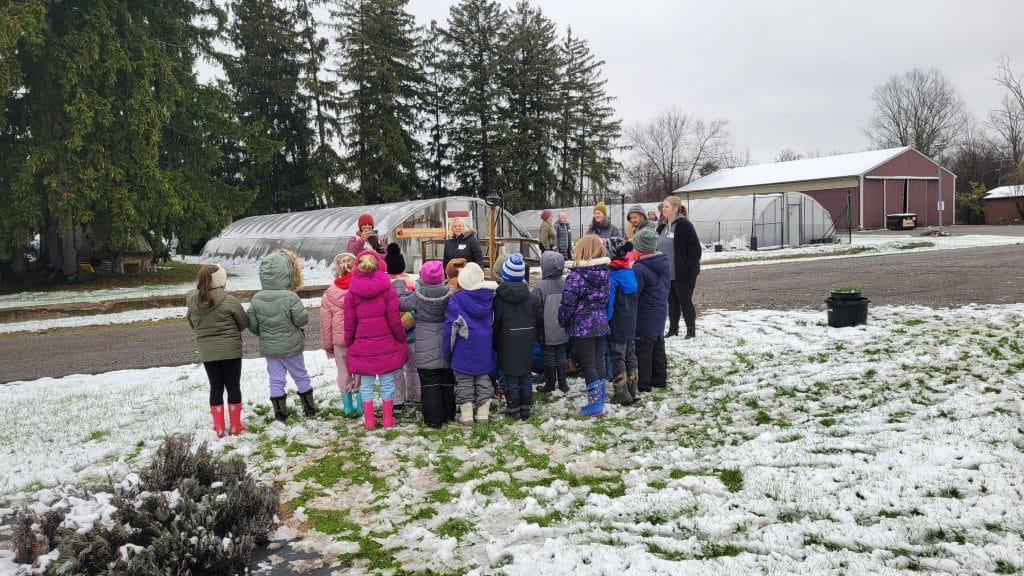
This garden is tucked away on the small island of Grosse Ile in the Detroit River. Nestled behind Westcroft Gardens, the community farm boasts several outdoor gardens and three hoop houses that grow produce nearly year-round.
The garden hosts educational programs for youth, school groups, developmentally disabled adults, and other community members.
In a partnership with Grosse Ile Schools, every kindergartener participates in planting and harvesting from the garden, taking home enough produce to realize the fruits of their labors.
“It fosters a connection between you and your food. There is an appreciation of, ‘I grew this myself’,” says board member Kathy Hammond. “Those people and the community have a better understanding of where their food comes from.”
Board member Tamara Dust says food insecurity is invisible, as people experiencing it are often too afraid or ashamed to ask for help. While it’s a common misconception that food insecurity doesn’t exist in wealthy areas like Grosse Ile, every county in Michigan experiences food insecurity, and there are many people in need behind the island’s façade of sprawling million-dollar-plus waterfront mansions.
About 12,000 pounds of food was given away to residents or donated to those in need last year through the nonprofit’s community gardens, says Garden Manager Janet Lyons. To help raise funds for the nonprofit’s operations, another portion of food is sold through the online market, a subscription model, local restaurants, and summer farm markets.
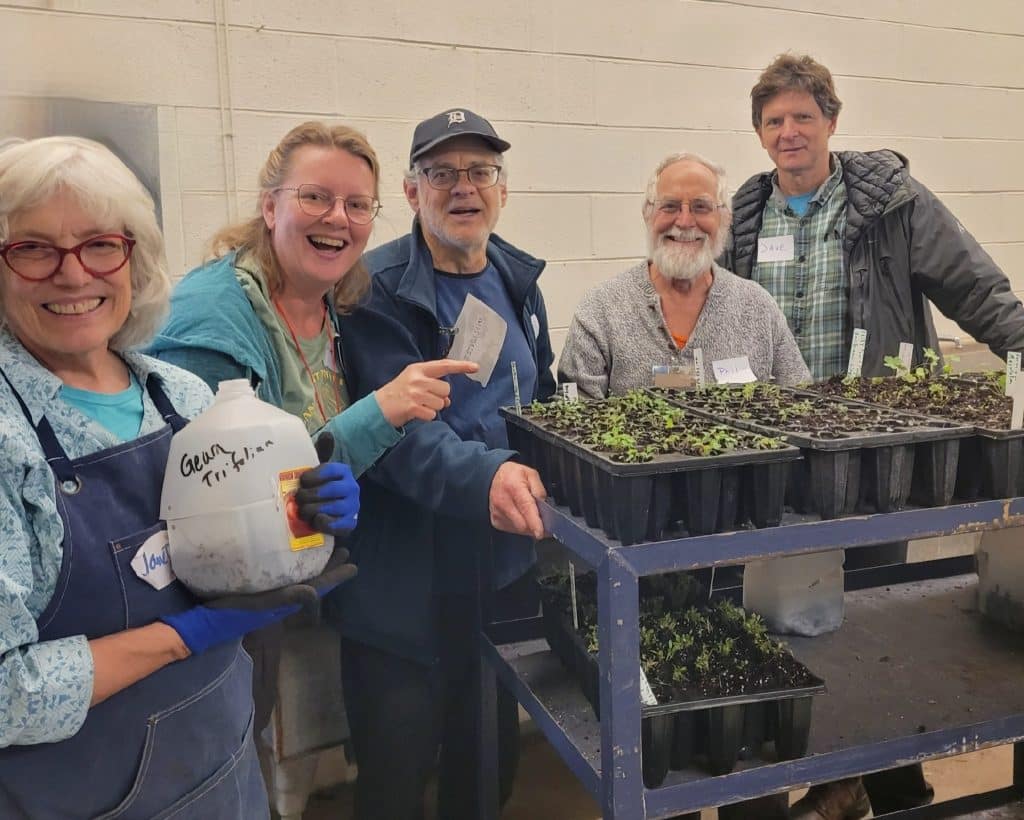
With 23 gardens sprinkled across the city, Project Grow gives Ann Arbor residents the space to nurture their green thumbs.
Residents can rent garden plots and grow whatever they desire, including flowers, fruits, vegetables, and herbs. Gardeners can rent a quarter-, half-, or full plot for a yearly fee. A small number of discounted plots are available for low-income families.
“Gardening has always been about nurturing something so small into something that can provide. It is about community,” says Managing Director Joanie Stovall. “It’s a great way to meet people and to grow a community.”
Project Grow also hosts several seed shares and workshops throughout the year to help people learn more about sustainability, organic gardening methods, and success in the garden.
Stovall says people of all ages and demographics garden with Project Grow, each with their own unique motivations.
“Everybody has their own intention. It may be something that they did somewhere else or wherever they came from, and so they’re looking for the opportunity to continue it. It may be something that they’ve always wanted to try, so now they have the opportunity to do it,” she says.
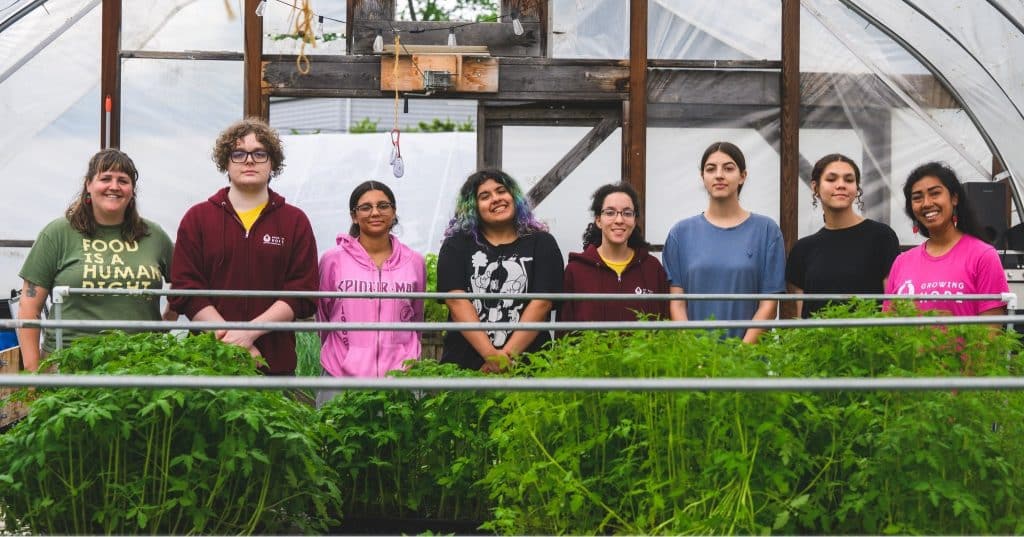
Project Grow’s neighbor, Growing Hope in Ypsilanti, is on a mission to educate others about food production, feed the community, and foster economic growth – all on only an acre and a half, says Executive Director Julius Buzzard.
Each year, the nonprofit produces about 6,000 pounds of free food that is distributed to low-income residents through its community farm stand and various programs with its partners, Buzzard says. Some of the produce is also sold at the Ypsilanti Farmers Market, which hosts local artisans and vendors.
When food doesn’t have to travel far, it allows for a lower carbon footprint, which is typical with community agriculture because food that is purchased in grocery stores often travels a large distance by car, plane, or ship, Edwards adds.
Growing Hope also offers a variety of educational opportunities on food production. The home vegetable garden program provides working-class residents with free raised garden beds, compost, seedlings, seeds, and one-on-one mentorship with a garden mentor who conducts home visits to help residents establish their gardens. Demonstration gardens host school groups, youth field trips, teen volunteers, and community members as they learn different agricultural techniques.
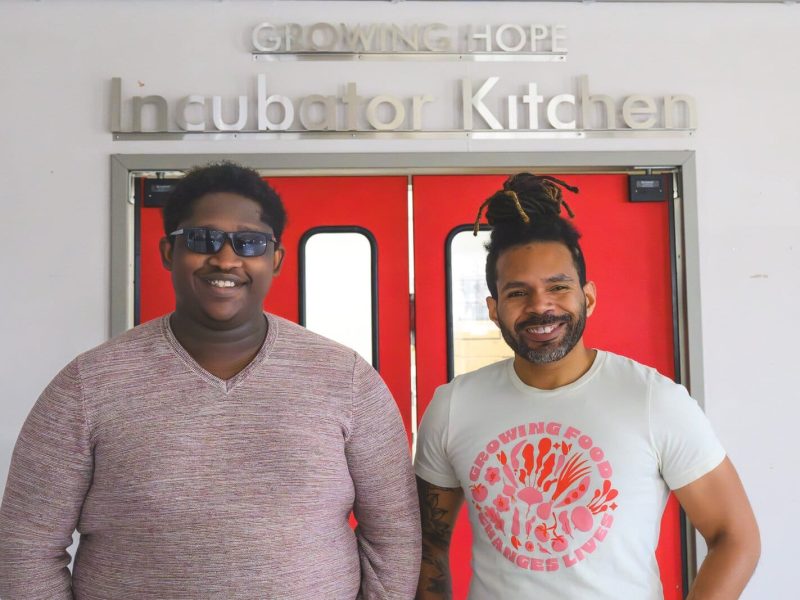
Entrepreneurs can also grow their business through the Incubator Kitchen, a commercial-grade kitchen available for rent at affordable hourly rates.
“There are lots of mental health benefits of being able to be outside with your hands in the dirt and to spend time in community,” Buzzard says. “There are the economic benefits of the farmer’s market and incubator kitchen, and doing things that are creating avenues for people to put themselves, their families, and their children in positions that they wouldn’t have been able to otherwise. We’re keeping more of our dollars in the community and investing in the circular economy.”
Grace Episcopal Church’s Good News Garden
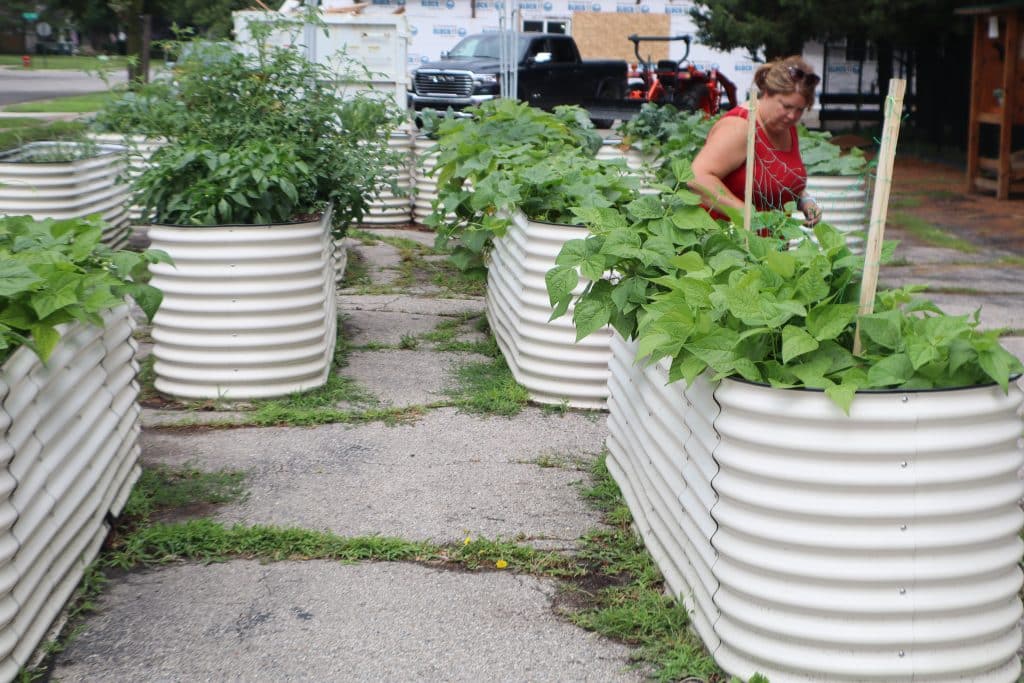
In Port Huron, Grace Episcopal Church’s Good News Garden serves the community and offers a relaxing place for anyone to sit and relax.
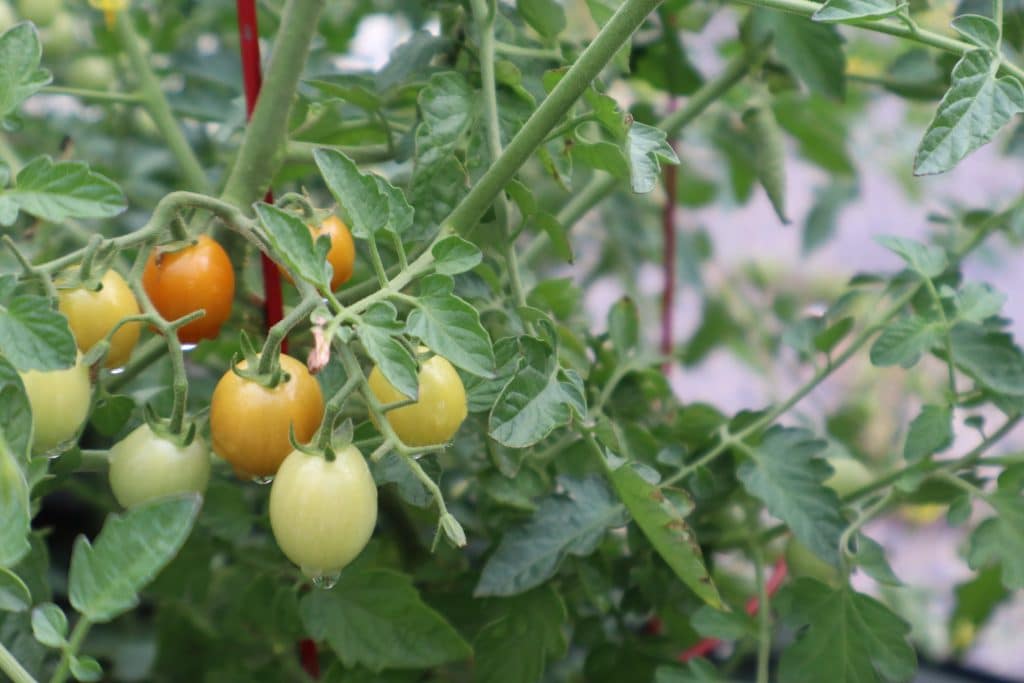
A half dozen raised beds filled with tomatoes, green beans, zucchini, okra, and other edibles sprawl out of aluminum beds. A few zucchini and squash plants sit in a wooden farm stand, which houses all produce picked from the garden for anyone to take.
Volunteer Garden Manager Sara O’Brien says food placed in the farm stand is often gone within an hour of being announced on social media, demonstrating the need in the area. Until a few years ago, the garden sat in a food desert, or a section of the city where stores with fresh, affordable, healthy food were not easily accessible to those without a car of their own.
“There must be a need. Why else wouldn’t people come out?” she says.
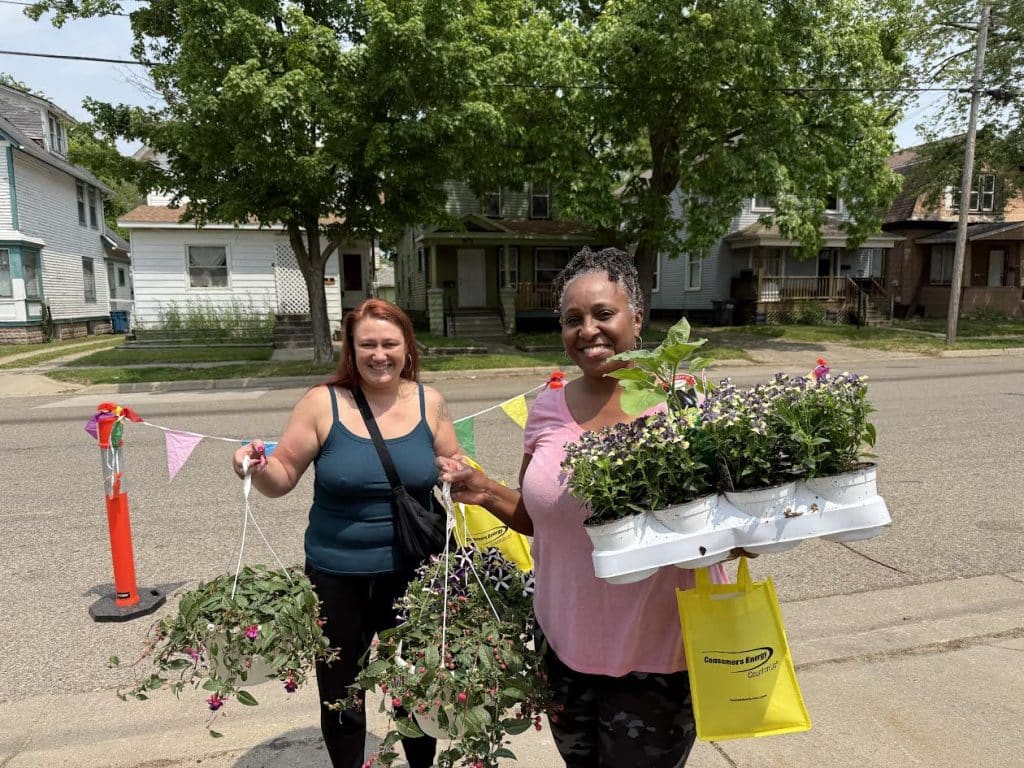
This little garden in Kalamazoo’s Edison neighborhood encourages residents to garden at home through education and community.
The demonstration garden features 12 raised garden beds with peppers, eggplants, marigolds, garlic, potatoes, and other common backyard vegetables, says Program Director Emma Master.
Tay’s Farm holds workshops, volunteer events, and informal meetups at the garden and its nearby fruit orchard on State Street to distribute free gardening resources to encourage community and homesteading.
The orchard also hosts informal events for volunteers to plant native pollinator plants. On Sept. 13, the farm will host a canning workshop from noon to 2 p.m.; participants will learn how to preserve food and take home free canning supplies.
“We’re having folks come together that are interested in growing,” Master says. “You’ll find a neighbor or a resident who becomes a new friend to share your knowledge with.”
This year, Tay’s Farm also partnered with local nonprofit Building Blocks to provide free garden supplies to a select group of residents to help them get started with raised beds at home.
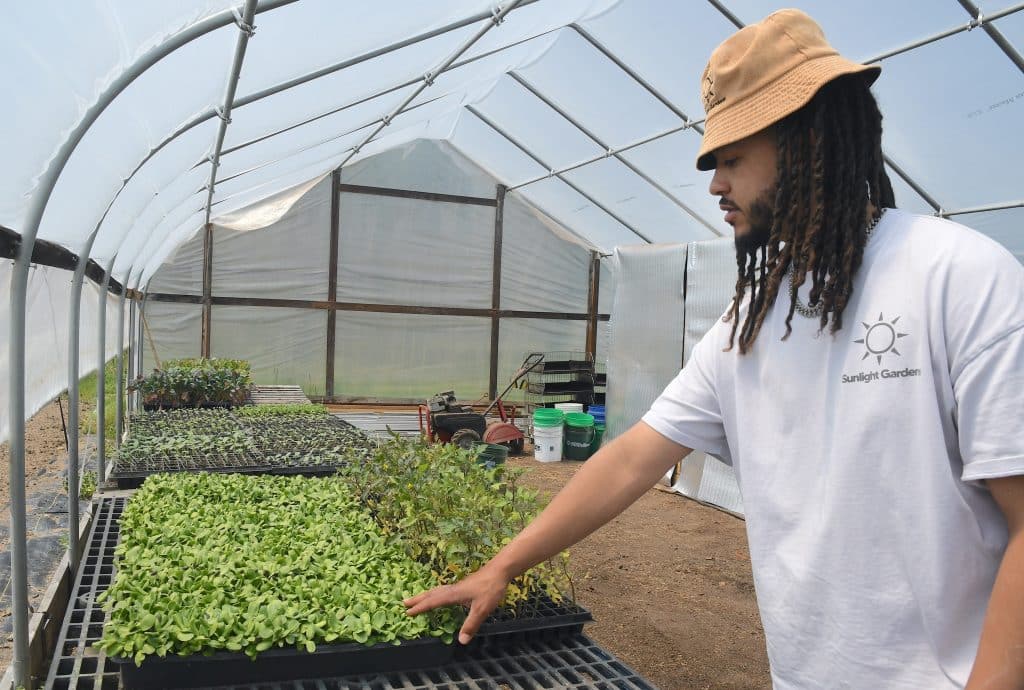
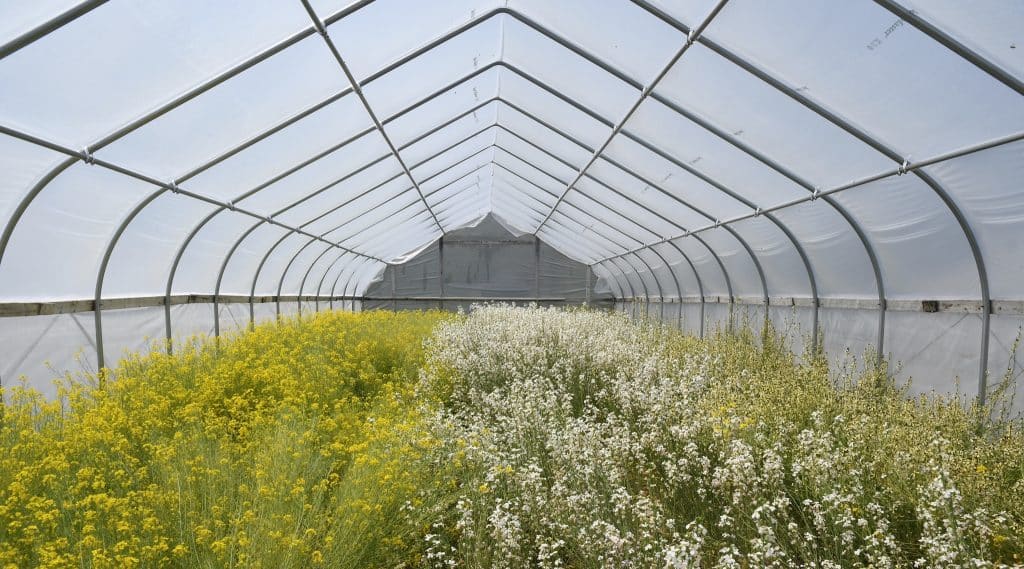
Sunlight Gardens in Battle Creek is more than just a farm – it’s a movement to transform the city’s food system, says CEO and Founder Devon Wilson.
The urban farm-to-table business offers fresh food for sale at its location at 245 N Kendall Ave. through its farmstand, called the Farmacy. Some food is grown on-site; other food and products are sourced through local farming cooperatives, artisans, and small business owners. The Farmacy offers smoothies, salads, squash, melons, greens, meat, nutritious packed snacks, and more.
The two-acre property features organic production fields, a nursery, greenhouse growing space, and compost pits.
Sunlight Gardens has also hosted several events this year through its new event space, including several chef cook-offs. Wilson says the goal of the event space is to build revenue for his business, give other chefs and business owners a space to share their talents, teach others about food production, and grow the community’s relationship to its food.
“Our main goal is that by 2035, 80% of Battle Creek’s food will be locally grown not just by us, but by a thriving network of farms, chefs, and food entrepreneurs we help support. We chose to work in an urban area because cities like Battle Creek are full of untapped potential: vacant land ready to be transformed, young people ready for opportunities, and communities hungry for change,” Wilson says.
“Our work is about reconnecting people to the land, revitalizing neighborhoods, improving health outcomes, and proving that farming and local food businesses can be powerful tools for economic, cultural, and community revival.”
Want to know more about how to grow your own food? Visit Michigan State University’s gardening guide.
Author

Related Articles

Transportation: An overlooked barrier to mental health care
Collaboration ensures Allegan County residents get mental health care when they need it.

When everyone is welcome: How Michigan’s CCBHCs are changing care
CCBHCs have been improving access to quality mental health care for Michigan residents since 2021.
Nearly $300K in Seed Awards bolster Michigan’s local food and farming
Nearly $300,000 in Seed Awards from the Michigan Good Food Fund will support 18 food and farm businesses across Michigan, helping small, locally rooted operations grow and improve food access.


