
Northland past and future: Former Oak Park mayor pens book about iconic mall
Northland was Metro Detroit's first big mall. Now it faces demolition and a new life. Metromode's Maureen McDonald talks with author Jerry Naftaly about his new book on the history of the iconic shopping center and gets the scoop on what's next.
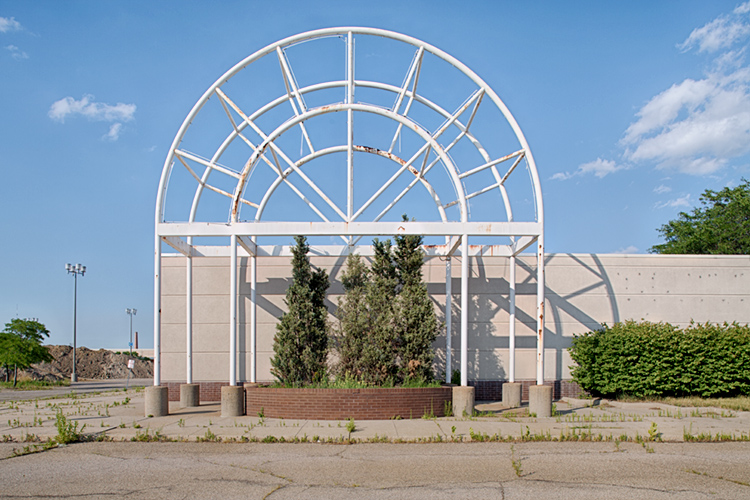
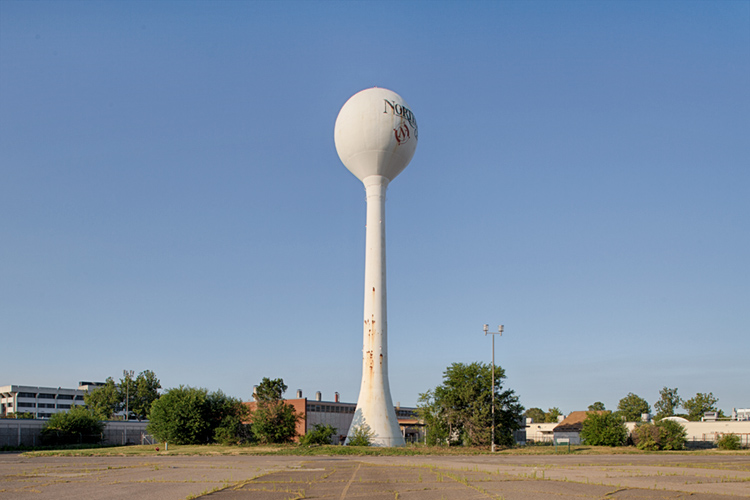
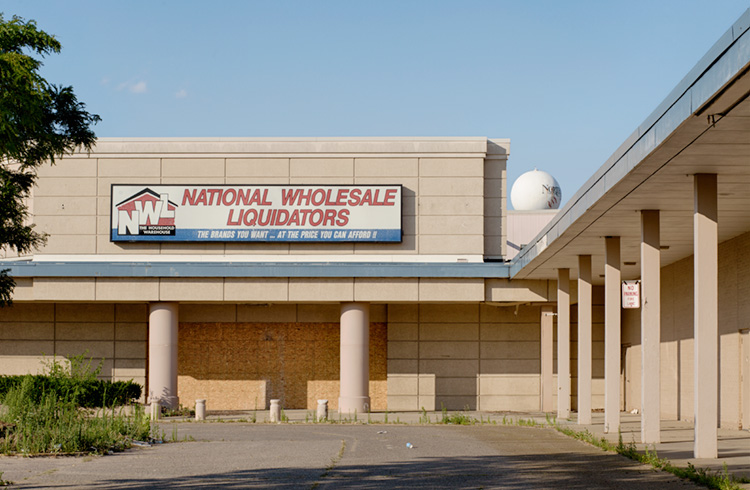
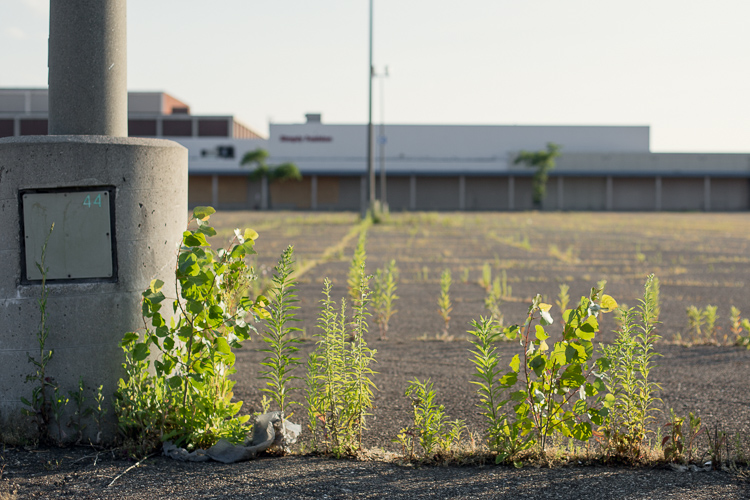
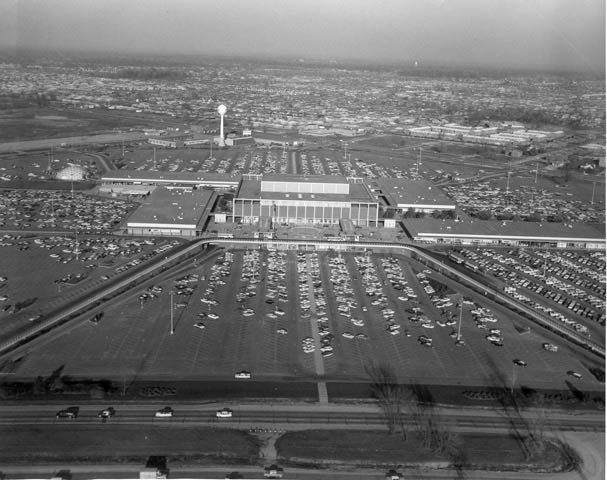
Once ranked the largest shopping mall in the world, Northland was a symbol of the future.
When the shopping center opened in March of 1954, it was one of the most talked about and visited places in Metro Detroit, showcasing a new, modern-for-its-time style of gardens, terraces, boutique shops and pedestrian walkways, epitomizing Metro Detroit’s wave of suburban migration in the post-war era.
Northland’s heyday is now long gone. Target closed its outlet there in December 2014. Then in October 2015, the City of Southfield purchased the property for $2.4 million and put a chain link fence around it to protect the contents from scavengers.
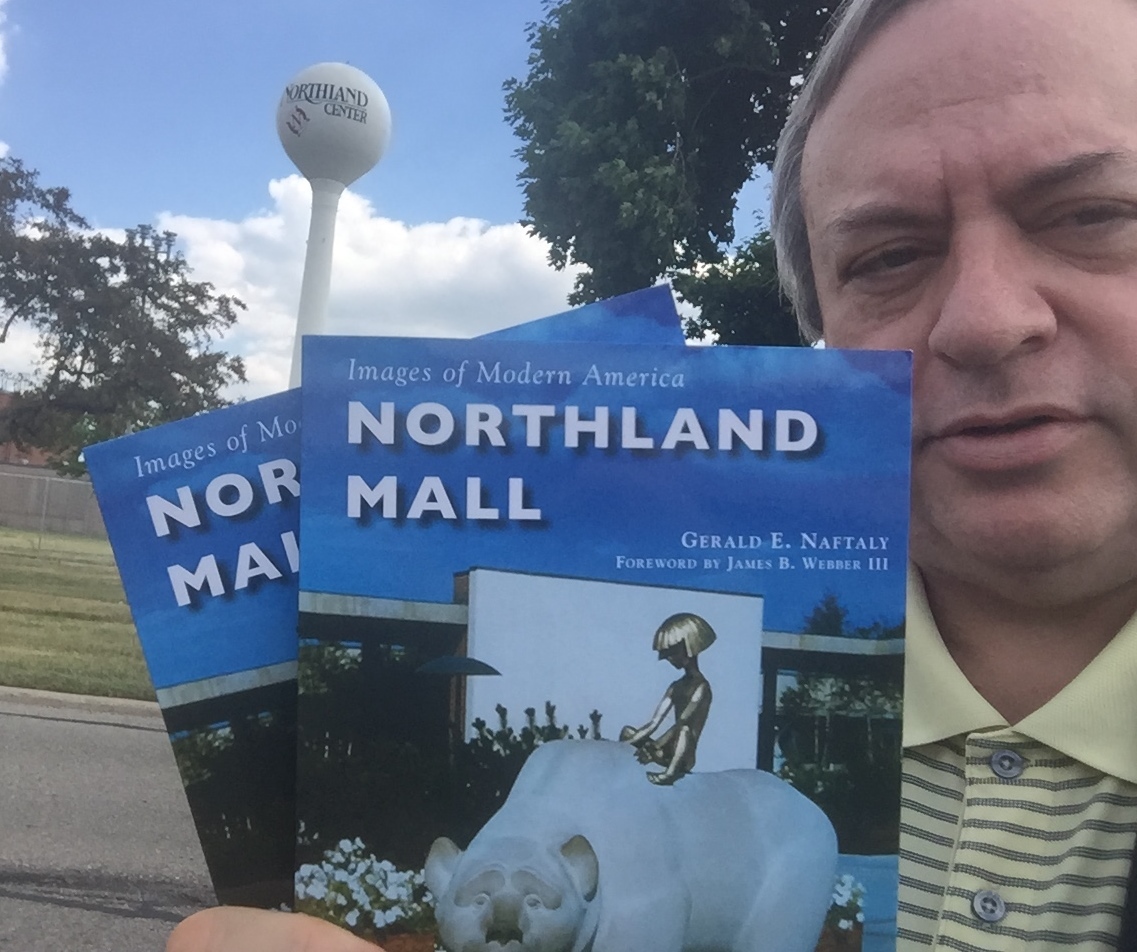
Now, the forlorn 114-acre vacant mall is the topic of a book by former Oak Park Mayor Jerry Naftaly, who was born the year of Northland’s groundbreaking in 1952. Naftaly’s family moved to Oak Park the year the mall opened and became frequent visitors.
See the story at right on what the Northland property might become>>>
Naftaly spent over a year researching stories and pictures to produce Northland Mall, published this month as an Images of Modern America book by Arcadia Publishing.
Metromode caught up with Naftaly to find out why he was so fascinated with this derelict icon of our suburban past.
Metromode: What intrigued you about Northland?
Jerry Naftaly: Northland was my family’s downtown. I got my Bar Mitzvah suit there. Went to fishing contests there with my Dad. My uncle’s CPA firm was across the street on Greenfield. My family’s closest friends owned the geodesic dome that started life as the Northland Playhouse and later became the Mump, a teen nightclub. Before it was demolished, I wanted to create some lasting memories for the shoppers and the families whose businesses began at Northland.
Why did Hudson-Webber build a mall in Southfield at a time when the downtown Detroit Hudson’s was still thriving?
The Hudson-Webber family were at crosshairs over the mall concept, according to J.L. Hudson’s great, great nephew, James Webber. He said the retail giant had to compete with the growing migration of stores to the suburbs, but another nephew wanted to stay downtown because the Hudson’s store, built in 1911 and expanded as late as 1946, was still the flagship.
Who constructed Northland?
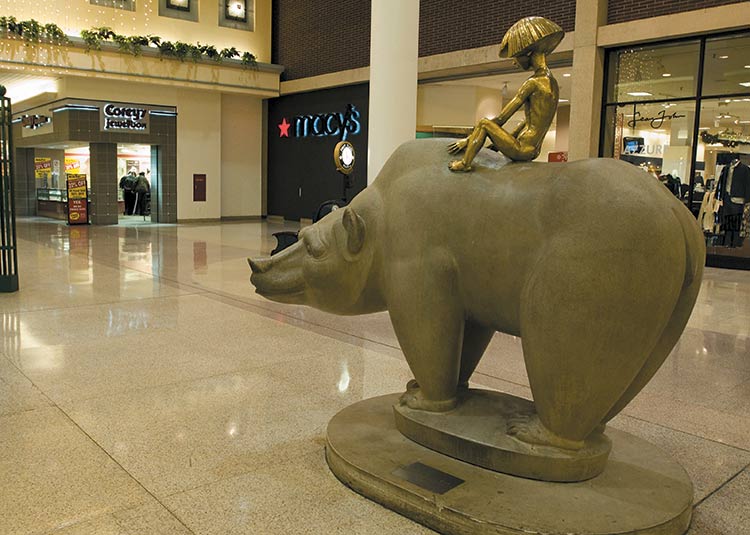
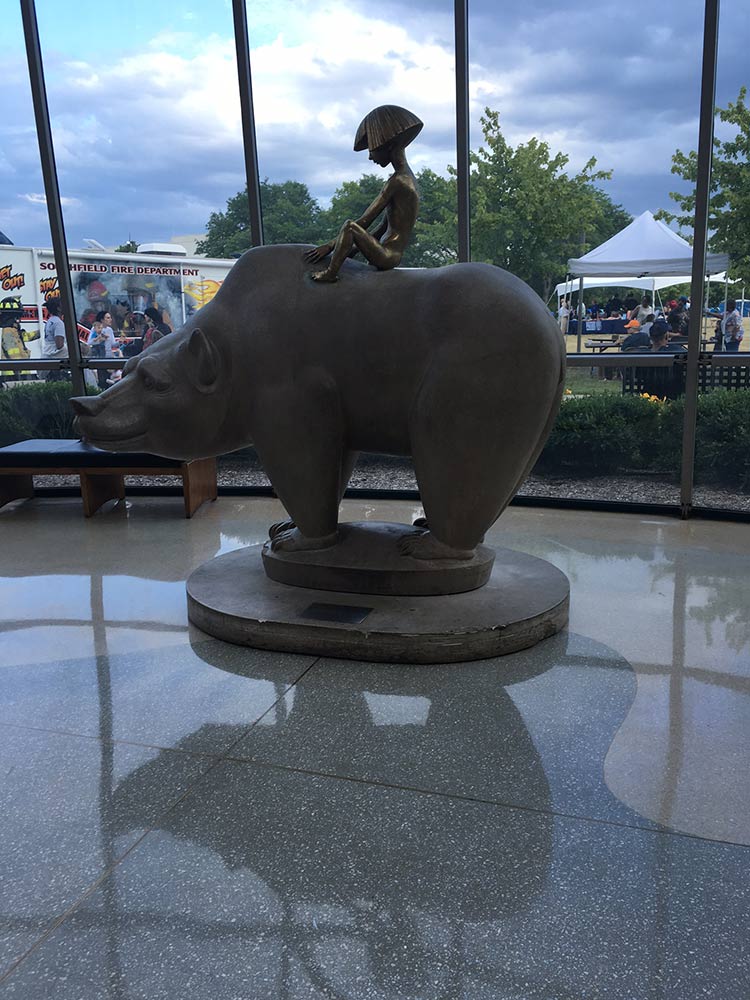
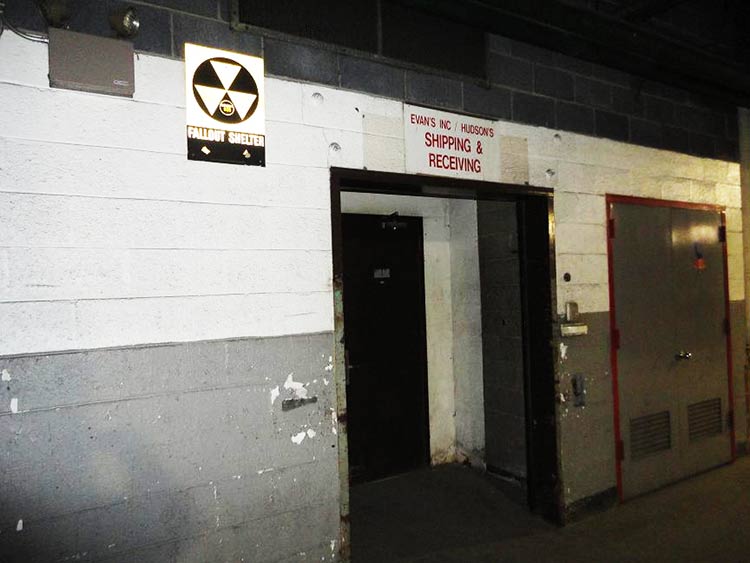
Victor Gruen and Associates, who continue to operate an architectural firm, although the name is now Gruen Associates. They opened up their archives for some photos that had never been seen before. An Ashkenazi Jew, Gruen left Germany before Hitler’s horrific purge, moved to California. He set about designing a new shopping experience that would include lavish landscaping in large brick planters, auditoriums, sculptures, fountains, and even a bomb shelter that could house 7,000 people in an emergency.
It was so unique in what it provided for everybody, from amusement rides for children to free gas. Northland was his first major project, and it drew acclaim from nearly every newspaper and magazine in the country, thanks to excellent public relations.
What was the land Northland sits on before it became a shopping mall?
The Clinton family (no relation to Hillary and Bill) owned a farm that offered pony rides and other amusements for children. As the population pushed out from Detroit, the chunk of land at 8 Mile and Greenfield Roads looked inviting to many.
What was the strangest thing you found about Northland?
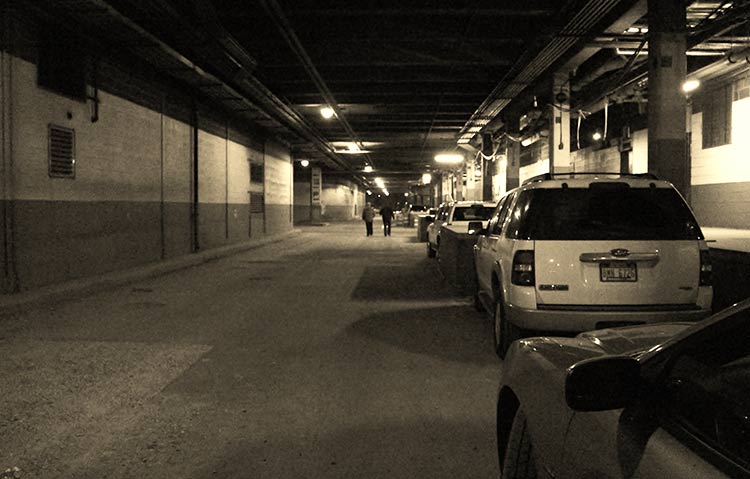
The last mall manager took me on a tour of the tunnels that once served as pathways for truck deliveries to Northland stores, including places for storage and 484 rooms of varied sizes. There were old mannequins, computer junk, purses and shoes, and an anonymous letter from a guy who squatted a month down under the mall. The tunnels and the bomb shelter on the lowest level will add to the demolition cost, which the city estimates at $8 to $10 million.
Any other oddities?
In 1960, a family was chosen among dozens of people that applied to live in a fallout shelter with floor-to-ceiling glass windows, so people could see how they could live for a week. At the time, a popular idea was for people to build a fallout shelter in their basement in case of nuclear attack. This was at a time when Russia’s premier, Nikita Khrushchev, promised Americans “We will bury you.”
So the Roland family, including an optometrist, wife, son and daughter let people watch them exercise, play board games and eat canned beans and spaghetti. They had curtains they could pull tight at night. Psychiatrists examined them daily to see how they fared in captivity. They survived. The family still runs Roland Optical in Bloomfield Township.
What killed Northland?
Competition from newer, upscale malls, particularly those designed by Taubman, made Northland obsolete. Crime became an increasingly onerous factor. Once anchor stores Target and Macy’s left, retail became harder to attract.
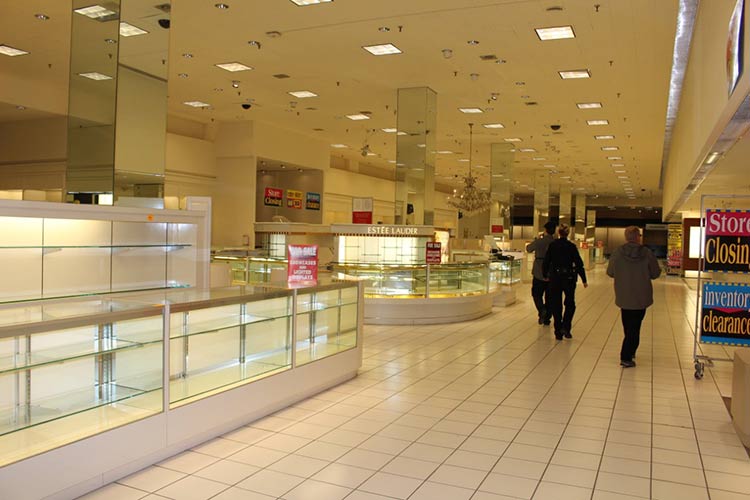
In its waning years, Northland was owned by Ashkenazy Acquisition Company, which also owns Eastland Mall. The Detroit Free Press reported the owners defaulted on a $31 million loan against Northland and they were losing $250,000 a month. The city of Southfield helped the remaining tenants find new quarters to operate, and studies are underway to find a new use for the property.
What’s your favorite part of the story?
Related Articles
West End Commons brings community together in downtown Wixom
A years-in-the-making effort to develop a new gathering place in downtown Wixom is nearing completion with the creation of the ‘third space’ gathering center, The West End Commons.
Partner Partner Content Creativity and community come together at Farmington’s new Art Park Promenade
Farmington’s Art Park Promenade connects Riley Park with the Hillside Townes development through a pedestrian-friendly space filled with landscaping, seating, and public art.
Oak Park opens new event hub, celebrates years of community investment
Oak Park looks ahead after fulfilling promises to residents on the Elevate Oak Park initiative.


