
IT In Scrubs
One of the great things about the new digital economy is that there are always new frontiers to conquer. The latest electronic land grab is Health Information Technology, which promises to bring better patient care and economic efficiency to medicine. Metro Detroit hospitals and tech firms are putting down stakes in this quickly growing field.
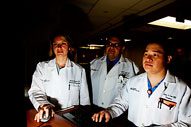
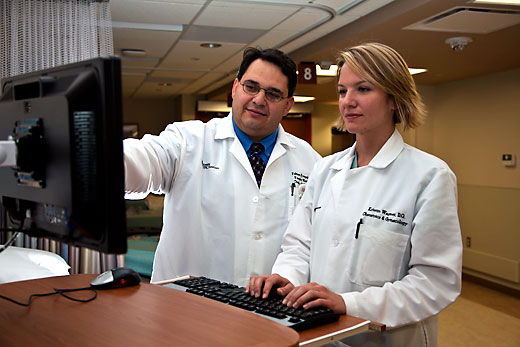 It is called the new frontier inmedicine – Health Information Technology (HIT)- and those who ventured intothe field years ago will tell you the economic Back 40 is wide open and so unexplored that sometimes it feels like the Wild West. Big dreams,heavy federal government intervention, and a grand plan to wrangle astampede of patient information into one national system is beingcarried out by the horsepower of computers, software, and whateverother technological ammo can be wielded by posses of tech-savvyentrepreneurs.
Mindy Richards is one of HIT’s early settlers.As founder of ChangeScape,a health industry consulting firm in Birmingham, she’s watched themedical information landscape transform as government requirementsfor collecting electronic health records has gone from debate tomandate.
“It really is like the Wild Wild West. We’reright at the beginning of something new and unknown. It’s veryexciting to be a part of it,” Richards says by phone, on her wayto speak to physicians about how to get their offices into compliancewith the HITECHAct. It details the new electronic health system guidelines putout by the U.S.Department of Health and Human Services, which recently announcedthe incentives and penalties in store for health-related practicesthat don’t comply.
The overall goal of the new system is tobring down medical costs and increase patient care and safety.Getting there means beaucoup business for Richards and herkind.
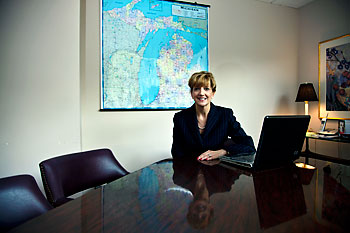 “We’re growing as we speak,” saysRichards, a former hospital CEO who started ChangeScape in 1995. Withthe help of investors, a new division launched in February.ChangeScape Technology advises physicians specifically. Since its formation, 14 people have been hired and more are on the way.ChangeScape consultants work in Michigan, Indiana, Ohio and, soon, Illinois.
“It’s an upper Midwest business model thatemanates from Michigan,” says Richards, who was born andschooled in Michigan. She sees health information service companieslike hers giving the state an major economic shot in the arm. “I’mvery excited to be part of Michigan’s recovery,” shesays.
While many doctors might choose a different adjective–confounding, cumbersome, costly– to describe the new system, thereis no denying that a wealth of jobs and opportunities are beingcreated.
It takes personnel, knowledge, and money to designelectronic systems to collect medical and billing information frompatient records. Whether it’s analytical data to target diseasetreatment and prevention or an open-books approach that letsconsumers shop around for the best prices, technological platformsmust be capable of connecting to other systems.
Consultantslike Richards and Joe Dylewski, owner and president of ATMPConsulting Group in Belleville, can hardly keep up with thedemand from physicians, “who just want to treat their patients,not figure out technology,” Dylewski says. ATMP hired 10 employees in the last year and plans to bring onanother 10-15 people over the next year to work with physiciansaround the state.
“I’m being conservative because theopportunities are there,” says Dylewski, who was previouslybusiness development director for Michigan health care at Compuware.”With the amount of work out there, with the way the water isrising we all need to work together. There is more than enough workto go around, and we have to work together to help the doctors getthis done.”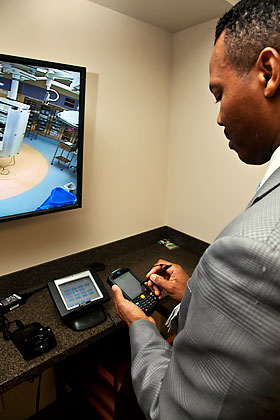 Already, colleges and universities are addinghealth information technology courses to their curriculum. Hospitalsand health systems are hiring too, to try to keep up with themassive technological needs.
BeaumontHospitals and TrinityHealth employ hundreds in information technology: 280-300 localemployees at Beaumont’s hospitals and 1,455 nationwide at Trinity,which operates 46 hospitals in nine states, 14 of them in Michigan,including the St. Joseph Mercy Health System in southwest Michigan.Trinity, the only national health system headquartered in Michigan, has 65 job openings nationwide. Beaumont has a dozen or soavailable positions.
The high tech demands also have hospitalsinvesting in infrastructure, including separate data centersto ensure information is protected and accessible at alltimes.
Subra Sripada is chief information officer for RoyalOak-based Beaumont Hospitals. “The use of technology in healthcare as compared to other industries has been lagging…For a longtime it was more of a backroom keep the lights on kind of thing,”Sripada says. Now it’s moved to the front of the house. “It’sgone from an operational entity to a strategic asset.”
ElectronicMedical Records have been around a long time – orderingtests by laptop instead of paper in a tray, for example – but theiruse has been limited and expensive.
“People shiedaway from implementing it. The last five years they have reallypicked up,” he explains. “Obamacare pushed it along and now with the incentives andpenalties things are really picking up.”
What needs to bedone – and the 865 pages of regulations to follow – is toolengthy to detail here, but in a nutshell it creates a system whereall patients have one health record that follows them wherever theygo. The idea is to let doctors and hospitals share information moreeasily, quickly, and reliably. It also ensures that every caregiverwho interacts with patients has complete access to their treatmenthistory. In the past, continuity of care could too easily be derailedby a change of doctors, nurses, and even hospitals. These electronicrecords could also prevent redundant, wasteful diagnostic tests, andcheck for medication errors and interactions – a practice which iscommon at Trinity and Beaumont. Separately, in what’s known asinformatics, patient records could be culled to detect health trendsin certain communities and to help target the best place to invest in health care.
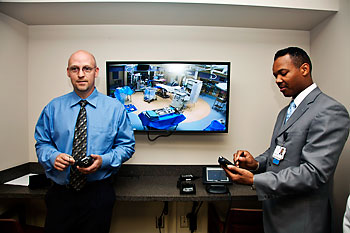 “All of those advances intechnology are connected to the IT structure of the hospitals,”Sripada says. “The organization that meets the demands are theones that are going to succeed.”
While some hospitals andhealth systems began their system changes five to 10 years ago, themomentum is moving into private practices and other health careproviders. “Government is the final nail here,” he says.”It’s forcing everyone, not just some, to pay attention.”
HIT will be built into the curriculum at the new medical school to be opened by OaklandUniversity and Beaumont Hospital next year. Medicalstudents will work hands on with HIT in its hospitals, Sripadasays. “What they’ll be learning will be vastly differentfrom what their parents and professors learned.”
Novi-based TrinityHealth is seen as a leader in the HIT field.Jim Elert, Trinity Health’s chief information officer, has been involved in hospital IT since 1976. It was then known as data processing, but the high-tech world ofrecords loomed ahead.
“Even in the ’80s we were talkingabout electronic medical records,” Elert recounts. “When Istarted, lab systems was pretty much the only thing that wasautomated. That and the billing system. There were people then whohad the vision. What’s happening now is the Holy Grail.”
Kim North Shine has already gone digital. She is a Detroit-area freelance writer. Her previous article was The (Job) Hunt Is On.
Send your comments here.
Related Articles
West End Commons brings community together in downtown Wixom
A years-in-the-making effort to develop a new gathering place in downtown Wixom is nearing completion with the creation of the ‘third space’ gathering center, The West End Commons.

Partner Partner Content Creativity and community come together at Farmington’s new Art Park Promenade
Farmington’s Art Park Promenade connects Riley Park with the Hillside Townes development through a pedestrian-friendly space filled with landscaping, seating, and public art.

Oak Park opens new event hub, celebrates years of community investment
Oak Park looks ahead after fulfilling promises to residents on the Elevate Oak Park initiative.


