
Partner Partner Content How West Oakland communities grow without losing what makes them special
Growth can bring new opportunities — and pressures — to small communities. Leaders across western Oakland County share how thoughtful development, historic preservation, and community input are helping them plan for change without losing what makes their downtowns distinctive.
This story is part of a series, powered by Main Street Oakland County (MSOC), highlighting the history and heritage events, economic development, housing, infrastructure and growth, nature and outdoor assets, and more throughout Highland Township, Lyon Township, South Lyon, Milford, and Wixom.
Across western Oakland County, communities long defined by rural landscapes and small downtowns are growing. New homes, businesses, and investments are arriving, sometimes rapidly. For the people responsible for guiding that growth, the question isn’t whether communities will change, but rather how they will change.
We spoke with five participating communities of Main Street Oakland County to hear about their past, present, and future — and how they’re managing development while maintaining their unique identities.
Growth is coming — but it looks different everywhere
All five communities are managing some form of growth: Lyon Township and Wixom are absorbing new housing, Highland is redeveloping long vacant properties, South Lyon is managing investment around a historic downtown, and largely built-out Milford is seeing growth take shape through redevelopment and reuse.
Amy Allen is the director of the Lyon Township Downtown Development Authority (DDA), which works with local businesses and property owners to help revitalize New Hudson. Alongside residents and volunteers, she helps create strategic plans to spur development, making the area a better place to live, work, and play.
“Lyon Township strikes a perfect balance of rural charm and bustling commercial opportunities,” Allen says. “There’s a rich history as we are home of the oldest operational bar, the New Hudson Inn, in Michigan, and a cemetery featuring veterans from the Revolutionary War.”
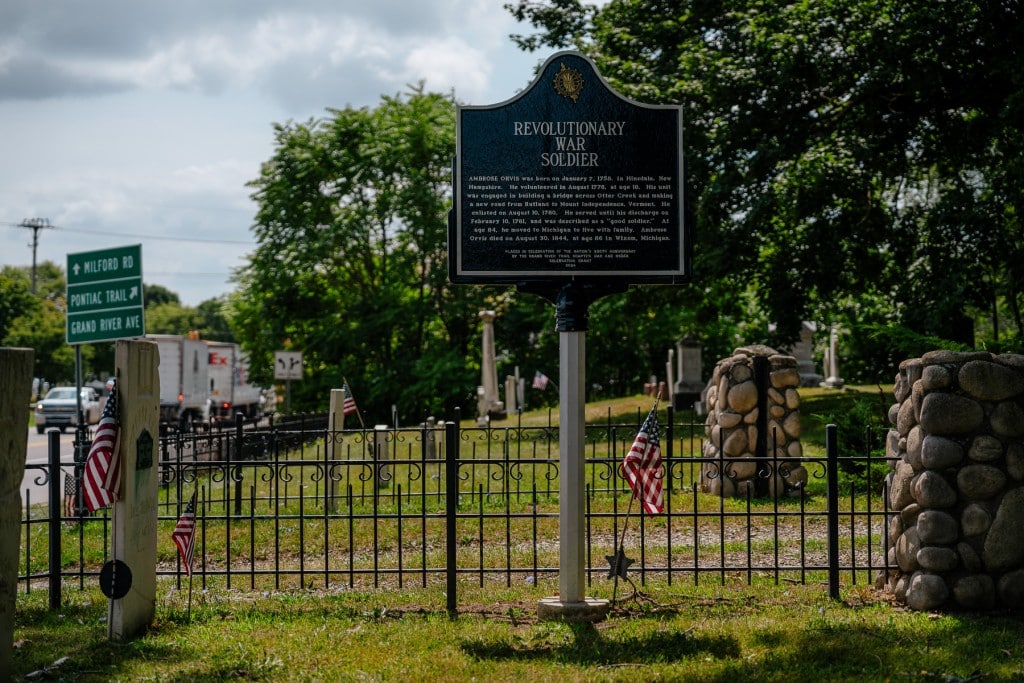
The population has nearly doubled since 2010 in this rural community, surging to about 25,000 residents.
Nearby Wixom is relatively small, but it is one of Michigan’s fastest-growing communities: the population increased by more than 22% between the 2010 and 2020 censuses, and more than 500 new homes have recently been built.
Laura Cloutier, executive director of the Wixom DDA, is passionate about building a vibrant, connected, and forward-thinking downtown reflective of the energy and spirit of the community it serves. The Wixom DDA has been recognized at the state and regional levels for its impact, innovation, and promotional events.
“While Wixom was once considered a rural community, it has evolved into a vibrant suburban city with a population of more than 17,000 residents,” Cloutier says. “Even with that growth, we’ve maintained the welcoming, close-knit atmosphere that residents value.”
Meanwhile, historic South Lyon is home to just over 12,000 residents in southwest Oakland County. Its walkable downtown consists of shops, restaurants, boutiques, and gathering spaces amid historic architecture, says Kim Rivera, South Lyon’s economic development and DDA director.
“We’re known for our friendly, close-knit community, exceptional parks and trails, strong schools, and outstanding quality of life,” Rivera says. “South Lyon offers the charm of a rural community with convenient access to major employment centers throughout Southeast Michigan.”
Highland, a western Oakland County community of 20,000 residents, 6,000 acres of parkland, and 25 scenic lakes, offers a mix of rural and suburban living. It’s home to hobby farms, equestrian properties, lakefront cottages, and neighborhoods.
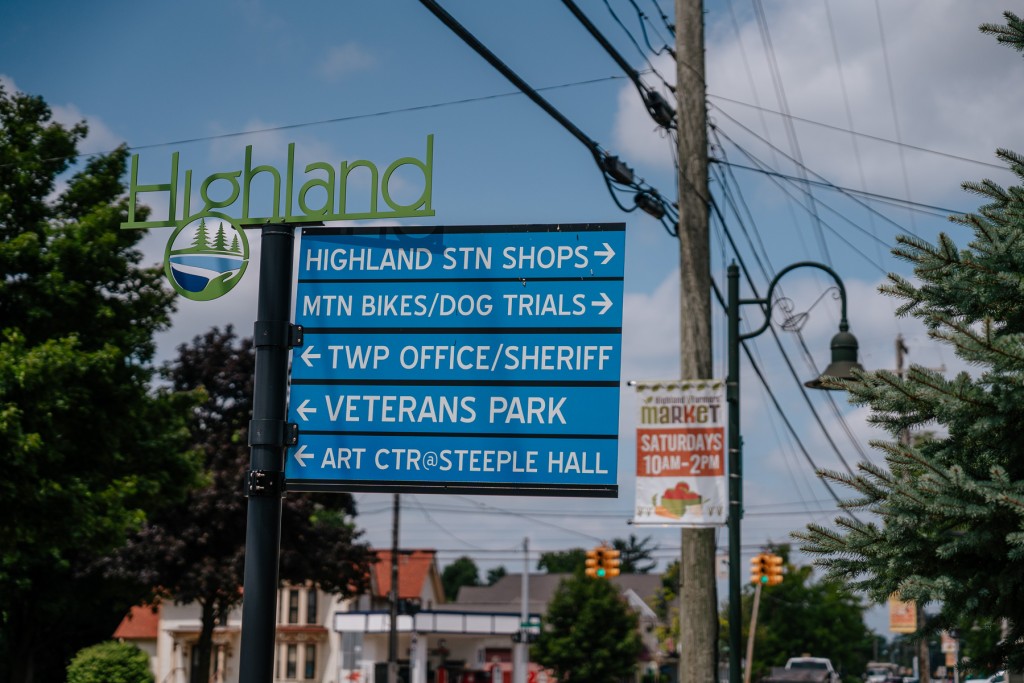
“Big things are happening at the main intersection of Milford and Highland Roads (M-59),” says Missy Dashevich, executive director of the Highland DDA.
“A standout project is the new Sheetz location, which breathes fresh life into a site that sat unused for more than two decades,” Dashevich says.
Milford also defies a typical rural or suburban classification, but in a different way: it’s a traditional, compact village with a connected street grid, walkable neighborhoods, narrow streets, and a historic zero-lot-line downtown.
Ann Barnette is the executive director of the Milford DDA, a role she has held for more than 30 years.
“The Huron River runs through the community, and Milford is surrounded by parks, trails, and open space,” Barnette says. “Downtown is also close to Kensington Metropark and Proud Lake Recreation Area. It is unique to find such a traditional downtown surrounded by so many natural resources in Southeast Michigan.”
With little vacant land, redevelopment in Milford is transforming former industrial properties, obsolete commercial buildings, and other unused sites.
“This creates a real conversation about how much development is appropriate and how new buildings should fit into a community known for its historic architecture, walkability, and small-town character,” Barnette says. “We are not deciding whether Milford will change. We are deciding what that change should look like.”
Public and private investment drive growth — but don’t define it
Cloutier says that growth has brought additional retail, housing, and economic opportunities to Wixom, a theme echoed by other communities. In Milford, that investment has included a major overhaul of a key public space.
“Milford has seen significant public and private investment,” Barnette says. She points to the nearly $4 million renovation of Central Park, which drew on multiple funding sources. The 12-acre site along the Huron River is within walking distance of downtown, and is a central gathering point for residents and visitors alike. The renovation improved the riverfront, accessibility, landscaping, and various facilities while adding new amenities like trails, canoe and kayak landings, a boardwalk, and more.
“Like many successful downtowns, South Lyon is experiencing increased interest from developers and investors,” Rivera says. Downtown South Lyon is a regional draw, with visitors frequenting locally owned businesses such as Maple House, a new destination brunch restaurant.
“The challenge isn’t attracting investment — it’s ensuring new development complements the historic character and scale of downtown,” Rivera says. “We want growth that strengthens the community while preserving the buildings, streetscape, and small-town atmosphere residents cherish.”
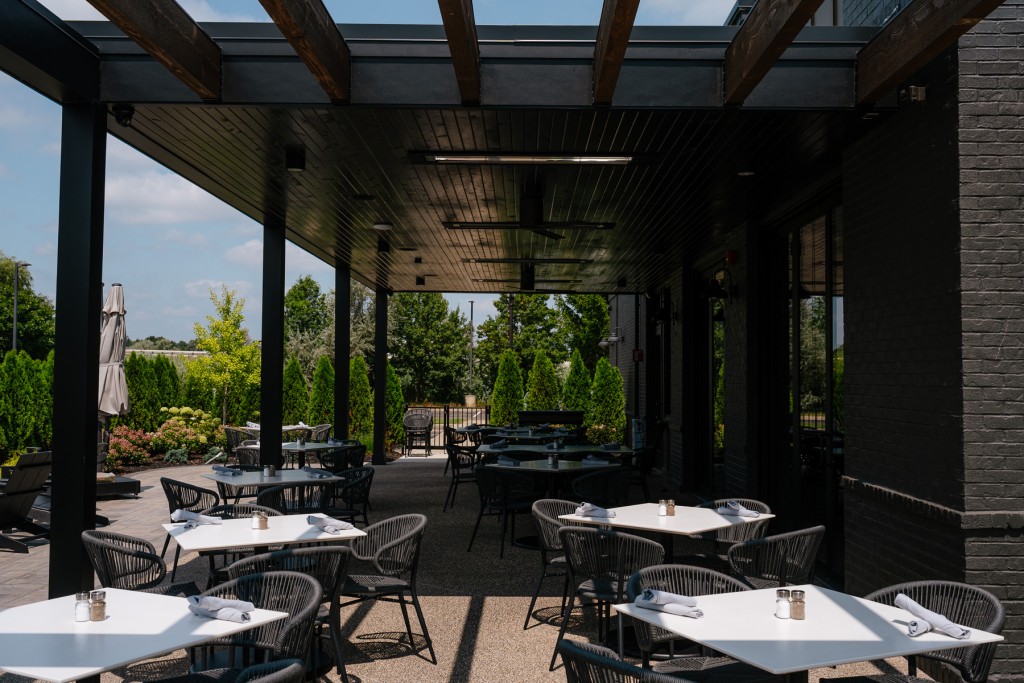
“South Lyon’s experience demonstrates that investing in infrastructure isn’t simply about roads and utilities — it’s about preparing communities for the future while protecting the qualities that make people want to live, work, invest, and visit there,” she says. “When a community has a clear vision, works collaboratively, and remains committed to its identity — change becomes an opportunity rather than a threat.”
Preserving identity requires intentional choices
Across the five communities, preservation does not mean preventing change. It means using design guidelines, infrastructure investments, redevelopment strategies, and public input to shape where growth occurs and how it fits within the existing community.
As new restaurants and housing developments pop up in Lyon Township, and companies expand in the township’s industrial district, Allen says it’s crucial not to get caught up in development.
“It’s very important when working under the Main Street umbrella to remember that you must prioritize historic preservation while trying to revitalize your community,” she says. “It’s easy to get caught up in the excitement of development, and new ideas. However, it’s important to honor the history of your community, and preserve what you can. These things should be kept in mind with all projects — big or small.”
“Milford has a strong preservation ethic,” Barnette says. “We value the buildings, street pattern, and public spaces that tell the story of the Village, and we work hard to keep them relevant and useful rather than simply treating them as relics.”
Paying close attention to scale, building proportions, architecture, pedestrian connections, and public spaces helps usher Milford into its next chapter.
In Wixom, creating a thoughtful balance between neighborhoods and commercial developments is key.
“Within downtown, we’ve been able to attract exciting new businesses that complement our existing business community, and provide residents with more dining, shopping, and entertainment options,” Cloutier says.
Wixom’s approach is also shaped by its history of rebuilding in the 1990s after the original downtown was destroyed by fire in 1925.
“Our goal has never been to recreate the past, but to build a downtown that honors our history while embracing the future,” she says.
While Lyon Township and Wixom are working to shape residential and commercial growth, Highland offers another version of the challenge: finding an appropriate use for a long-vacant property at the high-traffic intersection of Milford and Highland roads.
Set to open in January 2027, the new Sheetz location is a combined convenience store, restaurant, and gas station, and will sit on the same property that was home to a gas station 90 years ago.
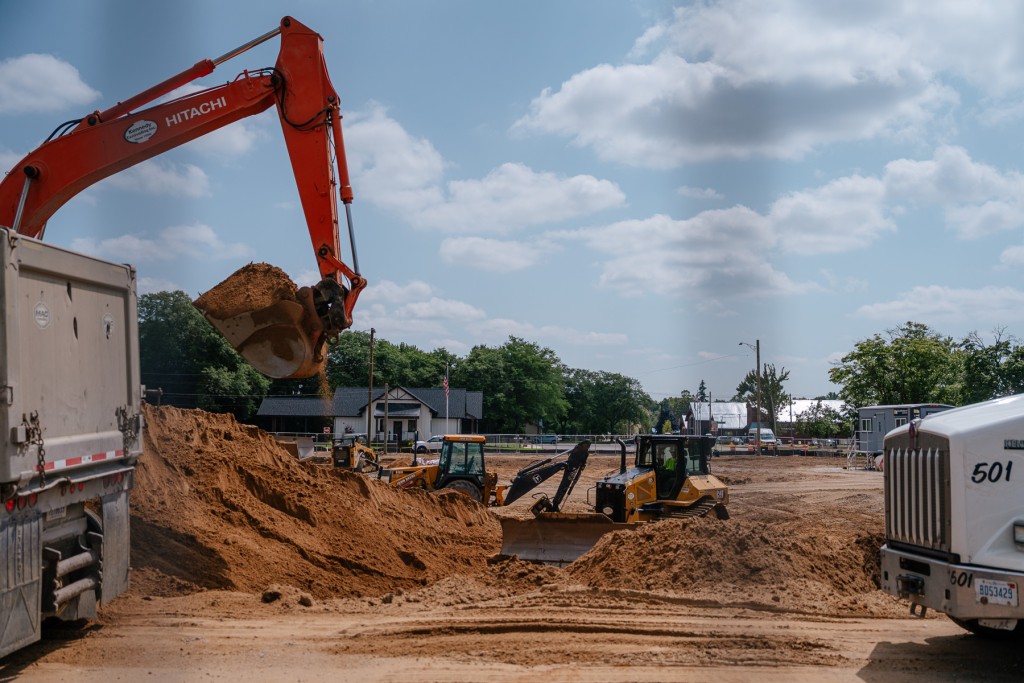
While this project is specific to the site, Highland’s broader downtown strategy focuses on preserving historic buildings, supporting local businesses, and maintaining the community’s character.
“Partnering with Sheetz allowed us to incorporate a new gateway sign welcoming residents and visitors to historic Highland Station,” Dashevich says. “Throughout the process, Sheetz worked closely with the HDDA Design Guidelines to ensure their site plan reflected the architectural character and aesthetic of our community.”
Community buy-in is a crucial part of the strategy
Keeping residents informed about community decisions can increase engagement and help residents shape future change.
As they manage the growth, Lyon Township leaders are guided by residents’ perspectives. The DDA works with the community to understand and respond to their priorities: responsible growth, new public spaces, and more public art in the area.
“It’s important for people to understand what the purpose of a DDA is,” Allen says. “When everyone is reaching for the same goal, it’s easier to achieve impactful results. DDAs can only be successful if they have community support.”
The strength of Highland’s community also comes from the support of a wide range of voices, says Dashevich.
“With an HDDA board spanning ages from 30 to 90-plus, we make sure everyone is heard through surveys, active committees, and collaborative partnerships,” she says. “We’re committed to keeping people in the loop on upcoming changes and explaining the ‘why’ behind them.”
Ensuring residents, property owners, and businesses have a voice in shaping the future of their town helps growth feel authentic, not manufactured.
“The challenge is to protect the things people love without trying to freeze Milford in time,” Barnette says. “A healthy downtown has to change. Buildings need new uses, businesses need customers, and communities need housing for different ages, incomes, and stages of life … the question should not simply be how much development a community can accommodate. It should be what kind of development will make the community stronger.”
Author

Related Articles
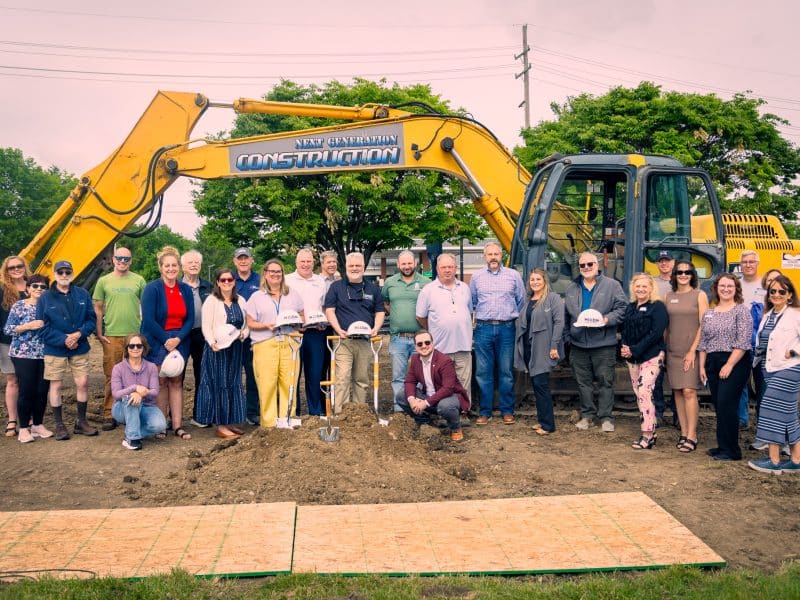
West End Commons brings community together in downtown Wixom
A years-in-the-making effort to develop a new gathering place in downtown Wixom is nearing completion with the creation of the ‘third space’ gathering center, The West End Commons.
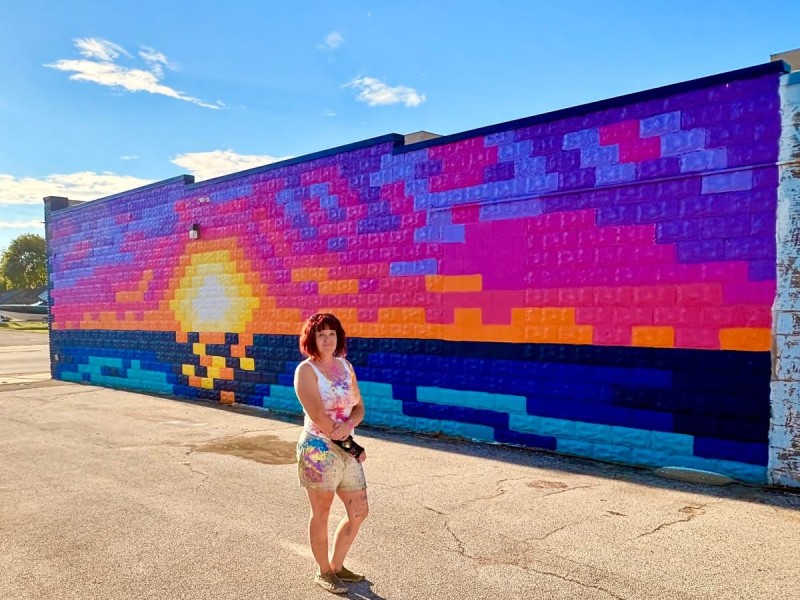
Thumb Art Spark initiative connects artists, communities, and businesses ahead of 2027 public art celebration
Planned for September 2027, the Thumb Art Spark Celebration will bring communities across the region to highlight existing public art, showcase new projects, and give residents and visitors new ways to explore the places where they live.
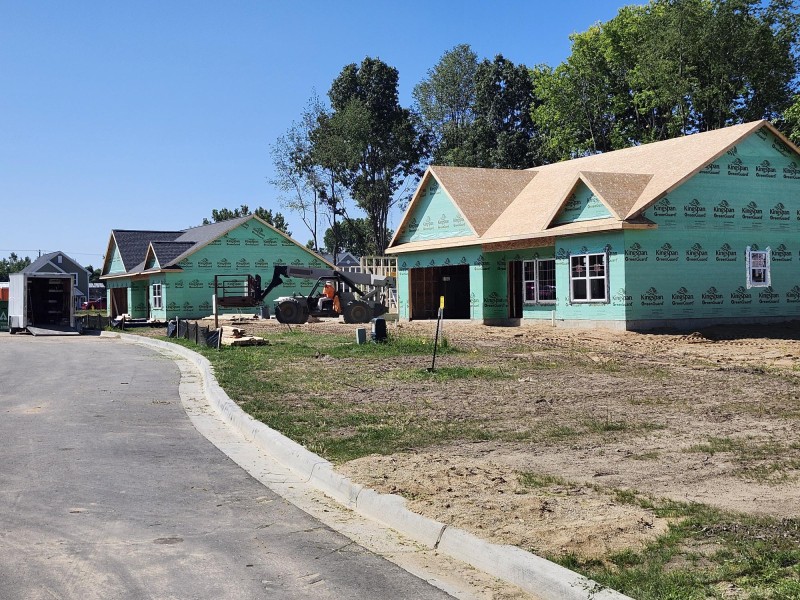
Community Land Trusts help Portage residents become homeowners affordably
As the statewide housing crisis continues, communities of all sizes are looking at how to increase affordable housing options for current and future residents. In Kalamazoo County, the Portage Community Land Trust is helping residents become homeowners affordably with their new workforce housing development, Stanwood Crossings.


