
Partner Partner Content How Downtown Farmington is Balancing 40 Years of Legacy with a New Era of Social Entrepreneurship
In downtown Farmington, the shift from late spring to summer heat brings more than just patio dining and farmers’ markets; it’s ushering in a change in how businesses and the community work hand in hand.
This story is part of a series supported by the Farmington DDA, focused on stories shaping the future of downtown Farmington.
There is a distinct shift along Grand River Avenue as late spring gives way to summer heat. In downtown Farmington, this change means more than the return of the farmers market or busy patios. It marks a moment when long-running businesses meet a new generation of owners redefining what it means to be neighborhood anchors.
To see Farmington’s future, look at how its downtown survived tough years, recessions, and the pandemic. Today, the old business model is giving way to one where foot traffic and transactions mix with social enterprises. Second-generation stewards now place a greater emphasis on community, inclusivity, and intentional growth
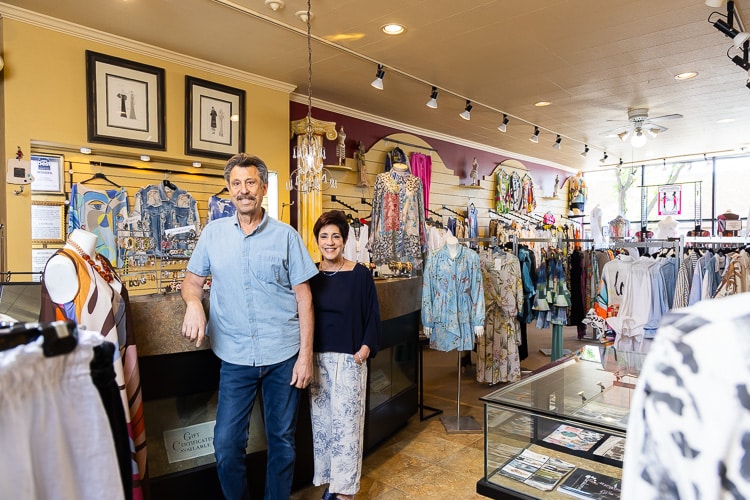
“We had an opportunity to open up the store down here (Downtown Farmington) in 1987, and obviously we took that opportunity,” recalls Larry Sallen, one of the district’s longest-tenured retailers, Clothes Encounters of Farmington.
In the late 1980s, when Clothes Encounters opened its downtown Farmington location, the district leaned heavily toward an older, more traditional demographic.
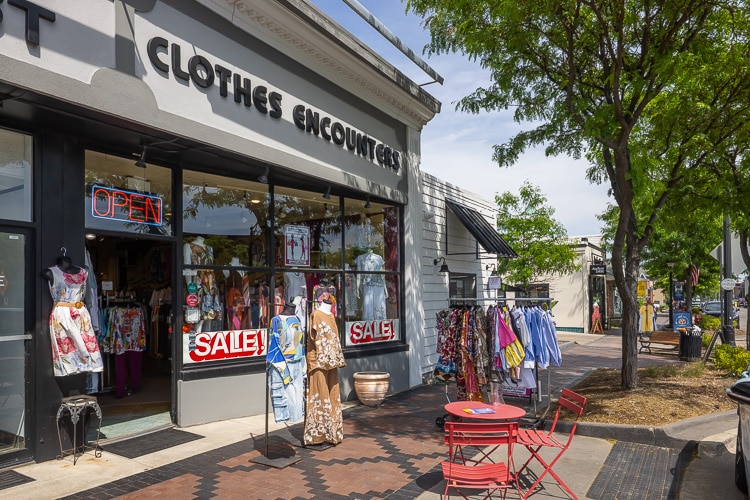
Betting on a trendier, younger aesthetic was a risk, but it laid the foundation for the modern district we are seeing unfold today. Consistency transformed shops like Clothes Encounters from local storefronts into regional destinations, including goods imported from Italy.
Along with historic anchors like John Cowley & Sons, which has been in business since 1972, these early pioneers formed a critical mass.
“With that staying power and with the type of clothing that we were selling, we always felt that we were an influence for other businesses to come down here,” Sallen says.
“Between the customers coming, there would be a back-and-forth…and as our name got out there, business grew.”
The Wisdom of Evolution
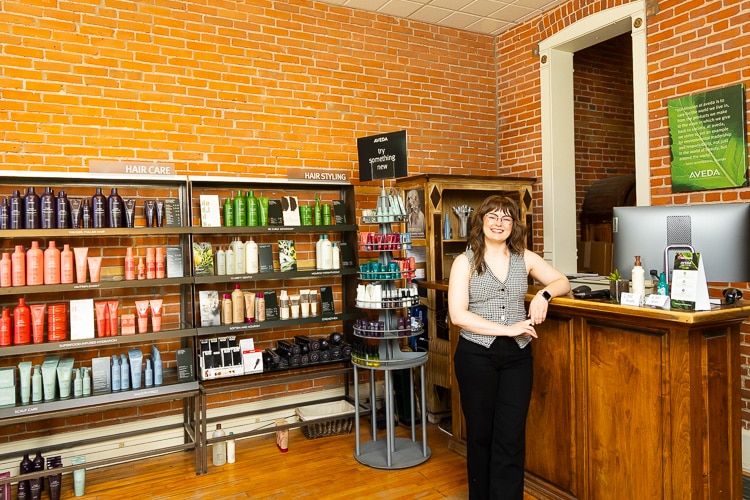
Personal connection isn’t just in retail. It’s also the backbone of downtown’s service industry. Few show this multi-generational strength like Legato Salon & Spa. Legato started in the Farmington State Savings Bank Building and later moved to the historic Cook Building.
For co-owner Karlyn Cassidy, who now guides the family business alongside her sister, Sheridan, operating within these storied spaces is a part of their identity. It connects the salon’s modern vision directly to the groundwork laid more than 40 years ago by their mother and mentor, Diane Cassidy, who first started at Village Clippers in the old Village Mall.
“We’ve always strived for a warm, welcoming energy at Legato,” Cassidy says.
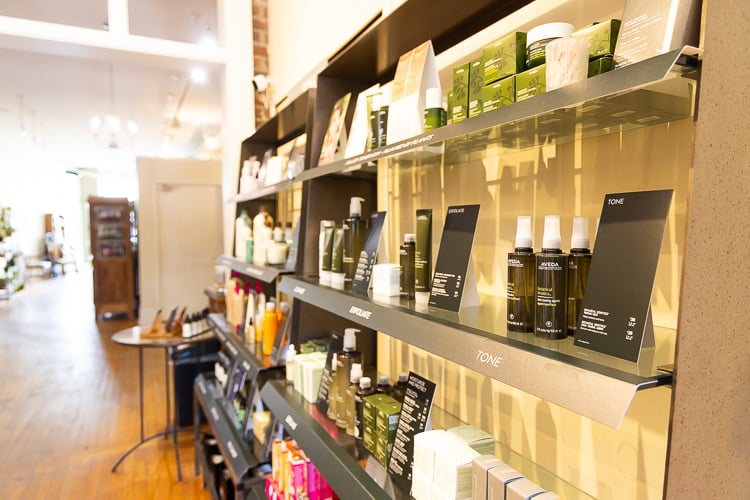
“The history, character, and charm, and built-in connection to the community that we’ve been surrounded by with these buildings is so special. The architecture of the Cook building helps to create those feelings from the moment you walk in, the natural brick, wood floors, archways.”
Keeping a traditional family legacy relevant as technology evolves requires balance. Cassidy says she carries a core piece of advice from her mother.
“My mom always told us: ‘It’s an evolution, not a revolution.’ We’re trying to evolve to make sure we’re balancing the foundations my mom had set, while embracing new technology, advanced education opportunities, updated service offerings, focusing on both the team and guest experience at the core,” Cassidy says.
The New Third Space: Commerce with a Compass
If the legacy businesses built the foundation of downtown Farmington, the newest arrivals are expanding its walls to include those who have historically fallen through the cracks of the traditional workforce.
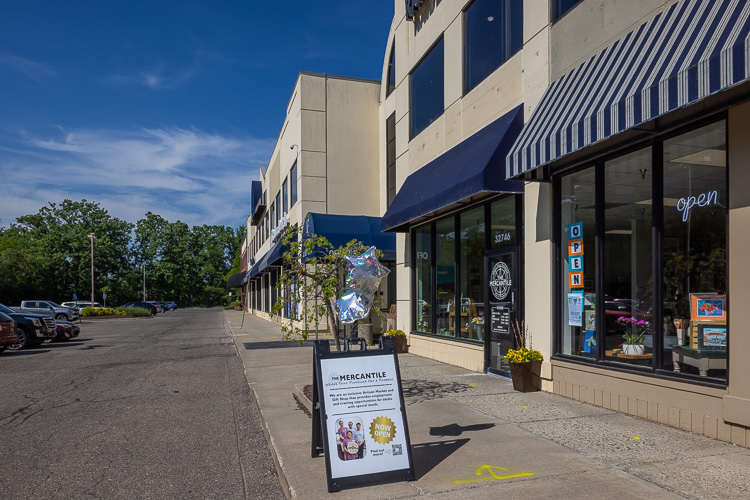
A few blocks away from the historic storefronts, a unique nonprofit business model is turning the traditional retail concept on its head. The Mercantile operates as a boutique featuring high-end art and gifts, but also as an intentional job-training ecosystem and community hub.

“Our business model is unique in that we are able to give our staff with special needs the opportunity to grow and develop their skills,” says Holly Clexton Waechter, creator and organizer behind The Mercantile.
For Clexton Waechter and her team, the goal was to create a space where merchandise quality and social mission coexist. The store features a curated assortment of local art, home goods, and unique gifts. This model’s mission is built into the retail experience.
“Our customers come in, and they know what they can expect,” Clexton Waechter explains.
“What they get from us is really a fantastic shop with a wonderful assortment of art and gifts and a really good environment, and that we’re doing something special.”
The Mercantile currently employs 10 individuals with varying special needs. What makes the environment dynamic is the blurred line between employee and creator; nearly half of the artists whose work lines the shelves are the very individuals running the shop.
“Many of the members of our staff are also artists in our store,” Clexton Waechter says.
“It’s a pretty wonderful combination that people come in and say, oh, by the way, can Nick show you his art? Can Grace show you hers? Oh, Jack, those are Jack’s crayons over there. It’s a great environment. People really believe in what we’re doing, and they get to see it in action.”
For artists, The Mercantile serves as an incubator, teaching them how to turn raw talent into sustainable income. Staff members work with creators to handle the commercial art world, teaching them how to create, calculate material costs, and establish viable price points.
“We’ll often have a pair of our employees supporting each other and encouraging each other,” Clexton Waechter says.
“When a customer walks in and that individual is able to greet them… we celebrate all of that. On an individual basis, we know it is growth for them, and it’s a skill that is transferable into their life, not just into a job.”
Cultivating the Overlap
As the summer season reaches its peak, the alliance between Farmington’s legacy anchors and its new community-centric spaces is creating a stronger downtown. In addition to running her own business, Karlyn Cassidy serves on the Downtown Development Authority (DDA) Board, and she notes that this has helped her gain a new understanding of the collaboration that goes into creating spaces people want to spend time in.
“It’s so important that we have a blend of both mature and young businesses to offer diverse perspectives and solutions. That is part of Farmington’s strength,” Cassidy says.
“The long-standing businesses help create trust and familiarity when you visit—we’ve had relationships with our guests and other businesses that span decades and generations. But new developments bring excitement, fresh energy, and updated perspectives, which is equally necessary.”
This intentional community-building perfectly mirrors the broader macroeconomic shifts that legacy business owners have witnessed from their storefront windows over the decades. The quiet evenings of the late 80s and 90s have vanished, replaced by an energetic, multi-generational street life that peaks during the milder months.
“The summer business down here is amazing. That’s really when we do most of our business,” Sallen says.
“The art fair just brings massive amounts of people down here. It used to be that I’d close up and there wouldn’t be too many people walking around. Now, it’s a new generation of entrepreneurs. When they have the concerts down here, Riley Park gets filled up. It’s just a really growing downtown community.”
Growth looks different depending on where you stand on Grand River Avenue, but the trajectory is upward.
For the legacy business community, success is measured by the enduring health of the district they spent forty years fighting to build, a downtown that has become attractive enough to lure an influx of fresh, energetic entrepreneurs. There is a sense of pride in maintaining deep roots while leaving room for the town to grow.
For the newer social entrepreneurs, the goals for the upcoming year are rooted in expanding their human impact. One year from now, success for The Mercantile looks like generating enough consistent retail revenue to expand payroll hours.
“Instead of having their shifts overlap by 30 to 60 minutes, being able to have them overlap by one or two hours, so that they have more time together, and we have more of our staff in the store at one time,” Clexton Waechter envisions.
“I’d also love to add additional artists with special needs. We’re excited to see what they can do, and we’re excited for the community to continue to find us.”
As downtown Farmington prepares for another blockbuster summer of farmers markets, live music at Riley Park, and packed sidewalks, the coexistence between legacy retail and new businesses feels seamless. By honoring the staying power of the legends who kept the lights on for forty years or more, and welcoming forward-thinking new business models, Farmington isn’t just maintaining a downtown; it’s building a community.
Author
Related Articles
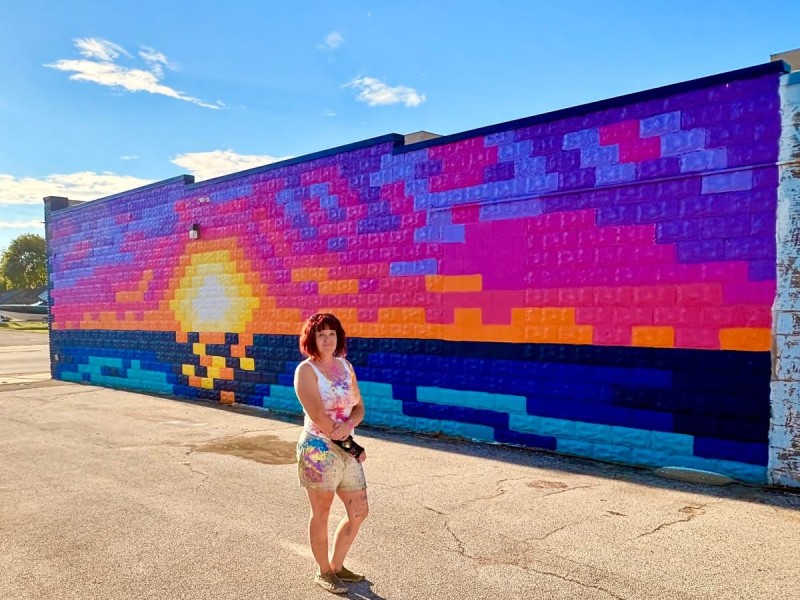
Thumb Art Spark initiative connects artists, communities, and businesses ahead of 2027 public art celebration
Planned for September 2027, the Thumb Art Spark Celebration will bring communities across the region to highlight existing public art, showcase new projects, and give residents and visitors new ways to explore the places where they live.
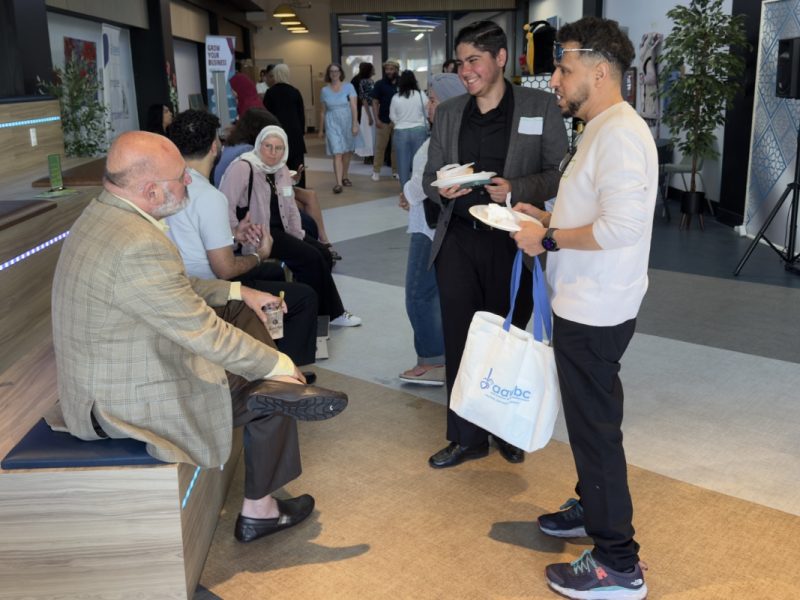
Small Business Social Hours foster success through face-to-face connection
Why face-to-face networking opportunities are even more important for small businesses and entrepreneurs.
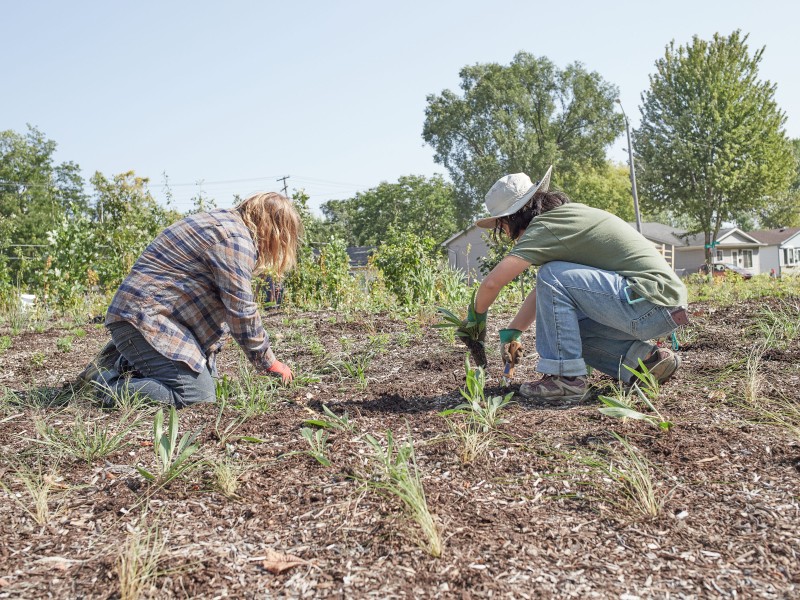
Micro forests attract not only birds and bees but Metro Detroiters, too
Whether you call them micro, mini, or pocket forests, they are taking root around the world — and in metro Detroit. They help the environment, provide refuge to native species, and respite to people seeking green spaces — especially in urban areas.


