
Partner Partner Content Day-long conference connects Michigan’s autism community with services, resources — and each other
Few spaces exist where autistic children and adults feel free to be themselves. The NAT Conference aims to be one of them.
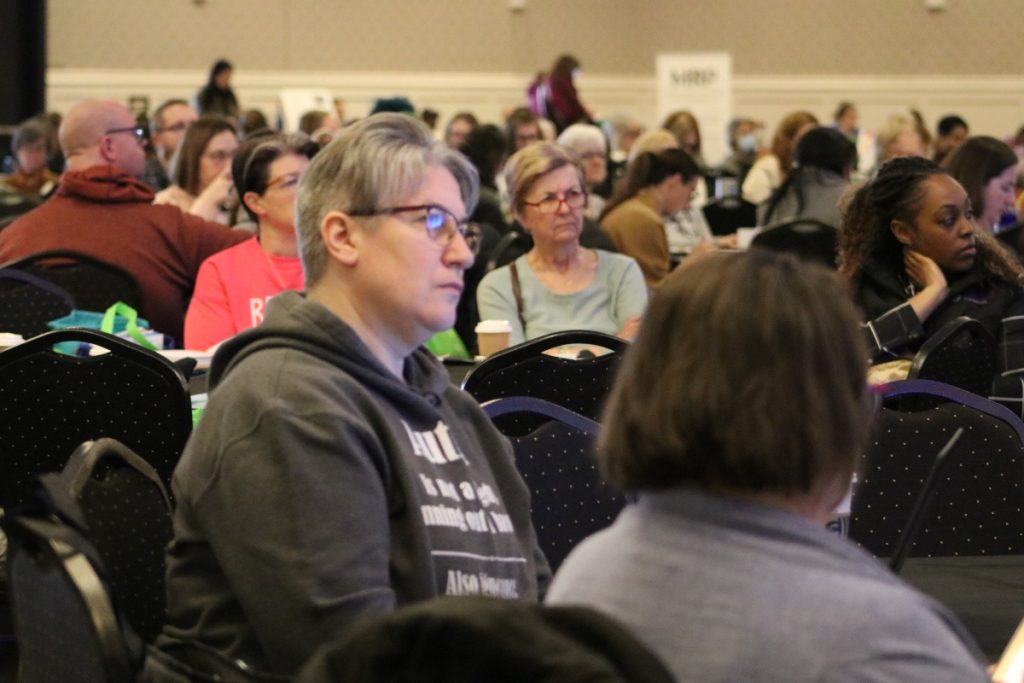
Beyond sharing the latest resources and support across a lifespan of needs, the Navigating Autism Today Conference (NAT) creates a relaxed space where people from Michigan’s autism community can enjoy each other’s company, share what’s working for them, and experience the friendship and support that can only come from encountering peers walking the same path.
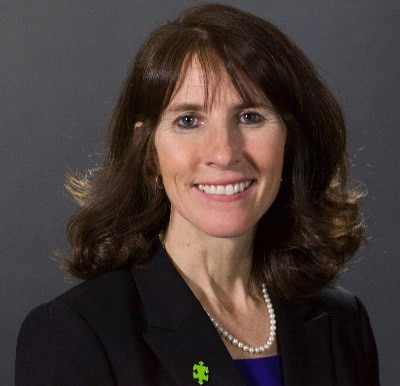
Few spaces exist where autistic children and adults feel free to be themselves. The NAT Conference aims to be one of them.
“While the presentations and vendor opportunities are exceptional, there is so much value in just connecting with others who are on this life journey that is autism,” says Colleen Allen, Autism Alliance of Michigan (AAoM) CEO. “It is parents sharing stories with each other and feeling their community is there with them –– they’re not alone.”
The NAT Conference will take place on Friday, March 6, 2026 at the Vibe Credit Union Showplace, 46100 Grand River Ave. in Novi.

Keynote speaker Michael Powell, Audapt LLC, will launch the day with his talk entitled, “Raising Our Astronaut.” Using the astronaut metaphor, Powell will affirm that autistic children aren’t broken — and they can flourish when they’re trained differently, supported intentionally, and guided by a mission control that believes in them.
Other professionals serving the autistic population will share information across a diverse range of topics during breakout sessions, everything from relationships, organizing care, and lifelong financial planning to safety, grief, and how autism impacts dementia. Attendees can choose the topics that best support their own experience. The entire line-up can be viewed here.
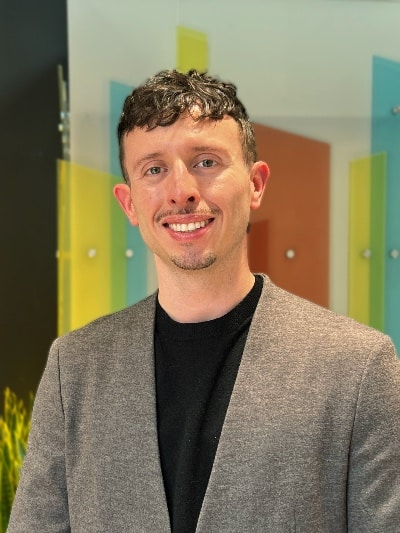
“We have providers sharing topics around family engagement, caregiver, and sibling support,” says Erik Gallery, AAoM Director of Navigation. “Other individuals will be presenting around wellness for the neurodivergent community, current research around autism, and appropriate diagnostic pathways. There will also be a presentation on crisis services in the state — the options for individuals dealing with behavioral crises and how to access those resources.”
Navigating autism in an inclusive, friendly space
At the NAT Conference, autistic people and their loved ones will benefit from information, resources, and face-to-face support around diagnosis, education, and adulting. The hope is that each person attending feels better equipped to navigate their unique autism journey.
“This conference is an extension of our MiNavigator program,” Allen says. “When a family or a person calls our Navigators, it’s to get information, talk to someone, and know where to go for what they need in terms of services and supports. That’s what happens at this conference, but it’s in person.”
A team of professionals with content expertise, AAoM’s Navigators guide families through very complex service systems.
“If folks want to get connected that day, we can share with them how to get started with a service request,” Gallery says. “If they have questions in the moment, we’re there to address those and help navigate them as best we can.”
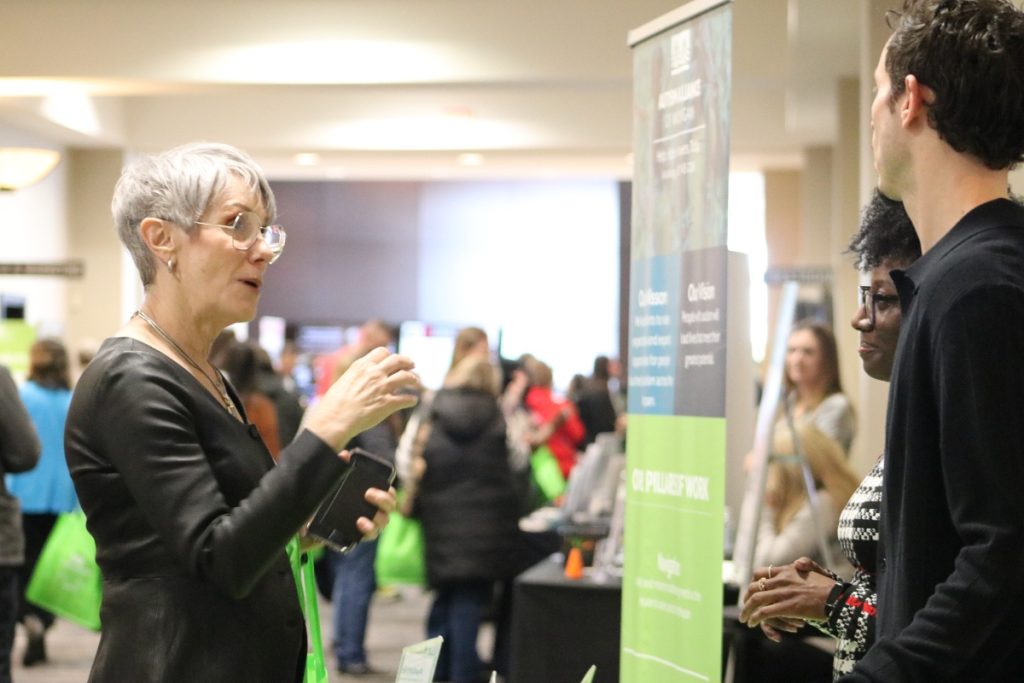
Parents who have just received their child’s diagnosis of autism often struggle with what the diagnosis means, what kinds of therapy to seek, and what kinds of support they can expect from their child’s school system. If they have a child who wanders, Navigators can help them secure resources, information, and connections to services that are uniquely identified for their child and family.
“We don’t tell parents what to do,” Allen says. “We want them equipped to make good decisions and be good advocates for their children or strong self-advocates for themselves.”
The Navigators can also connect autistic adults to educational resources, employment, social and recreational opportunities, affirmative health care, and other supports for independent living. With the significant amount of media attention on autism over the past year, AAoM’s Navigators are needed now more than ever.
“It’s quite confusing. And when it comes to speculating about the cause of or cure for autism, we know there is no scientific evidence for either,” Allen says. “We want to be that resource for families and individuals to talk through their concerns, talk through their questions, and equip them with information that allows them to make the best choice for their child or themselves.”
Connecting all ages to autism support — and each other
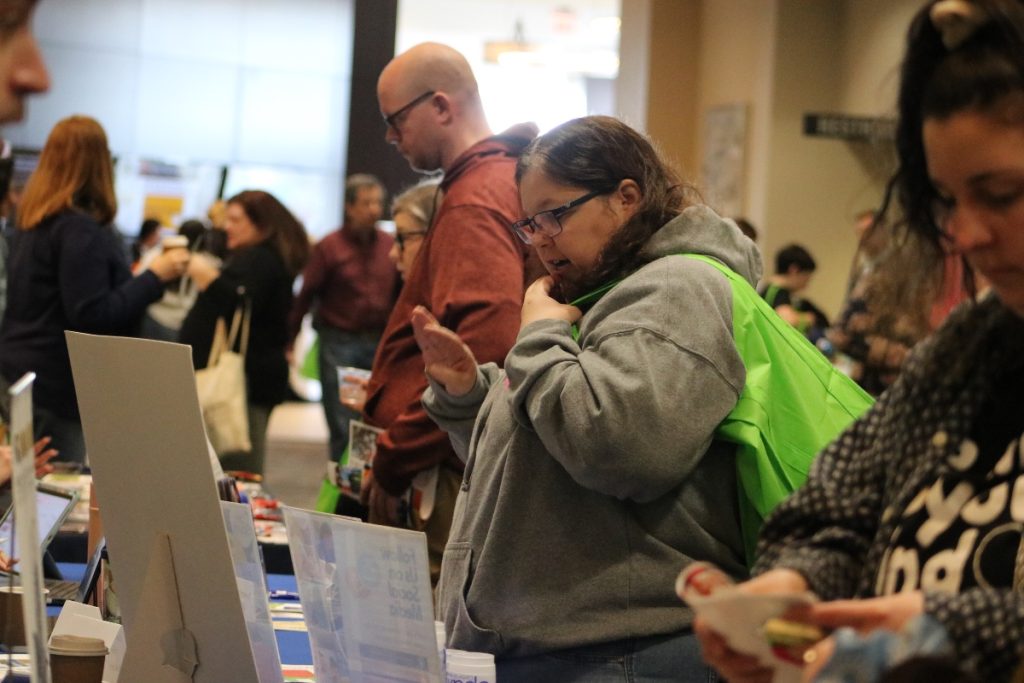
The conference is also a strong networking opportunity. Families can connect with others having some of their same experiences and receive emotional validation. Autistic and neurodivergent adults feel safe in a space where it’s okay to engage in specific soothing behaviors.
“We want to make sure that we are accommodating and including autistic adults as much as parents of very young children, some who may be severely affected,” Allen says. “When we think about our population and what we want to offer, we are thinking of the lifespan. We have content and presentations that will be relevant for families with the youngest children but also content for adults, some who may have complex needs and some who are independent.”
Over the past few years, AAoM has worked diligently to make the conference more inclusive of all ages and stages of autism.
“Where it had seemed like many of the talks and many of the supports were geared towards families with younger children, we really do our best to involve adult-based service providers and providers of transition services,” Gallery says. “Folks will feel like they’re getting something that’s comprehensive and not just geared towards one segment of the population.”
The conference environment accommodates the sensory challenges autistic individuals experience to avert overwhelm. A sensory break room off the main hallway provides a quiet space for those who need a brief respite from conference activities and faces.
The event also benefits the wide range of professionals who serve the autism community.
“For the provider partners, it’s another opportunity to engage with peers in their space,” Gallery says. “As knowledgeable as a specific provider can be, they do still have a limited scope at the end of the day. When serving the autistic community, it’s important that they have good collaboration to be able to make referrals or find extra support.”
More connections, more supports
Throughout the day, an Autism Resource Fair featuring 40 vendors will offer a mix of autism services along with wares made by autistic artisans from the Metro Detroit region.
“If you know an attendee is interested in learning more about a particular service, this is a great opportunity to actually speak to a professional, understand what the service looks like, how to get started, and get their questions answered,” Gallery says.
This year among the 40 vendors, attendees will find everything from providers of various therapies, self-advocacy organizations, nonprofit centers, and health care providers to artists, artisans, and booksellers.
Registration for the conference is open online. The fee —$20 for individuals and family members impacted by autism or $75 for professionals working in the autism community — is a fully tax deductible donation to Autism Alliance of Michigan.
“Our goal is to aid and disseminate current resources, current research, and education to our autistic communities throughout the state,” Gallery concludes. “We want to ensure that the families, the caregivers, and the autistic and neurodivergent individuals that we’re serving are all receiving the most up-to-date options, and that they’re staying informed of what’s out there and what the professionals in their own area are able to offer them.”
Photos courtesy Autism Alliance of Michigan.
Autism Alliance of Michigan (AAoM) was founded with the vision that people with autism will lead lives that meet their greatest potential. AAoM leads efforts to raise expectations and expand opportunities for people touched by autism across the lifespan.
Author

Related Articles
Partner Partner Content Supporting Community Members in Crisis: Substance use recovery support in Macomb County
Across Macomb County, MCCMH puts people first. The team works to break down stigma by showing up in our community and reminding residents that SUD services are always within reach, regardless of income or insurance status.
How Housing First stabilizes mental health
Without stable housing, meaningful mental health treatment is nearly impossible.
The Davies Project expands care by connecting families to oral health
With Delta Dental Foundation’s support, The Davies Project, based in Lansing, removes transportation barriers, helping families access dental care as well as critical medical appointments for seriously and chronically ill children and expectant women.


