
Recast Leaders aim to revitalize local economies
This Recast Cities program has worked with more than 200 cities in 44 states over the past 11 years.
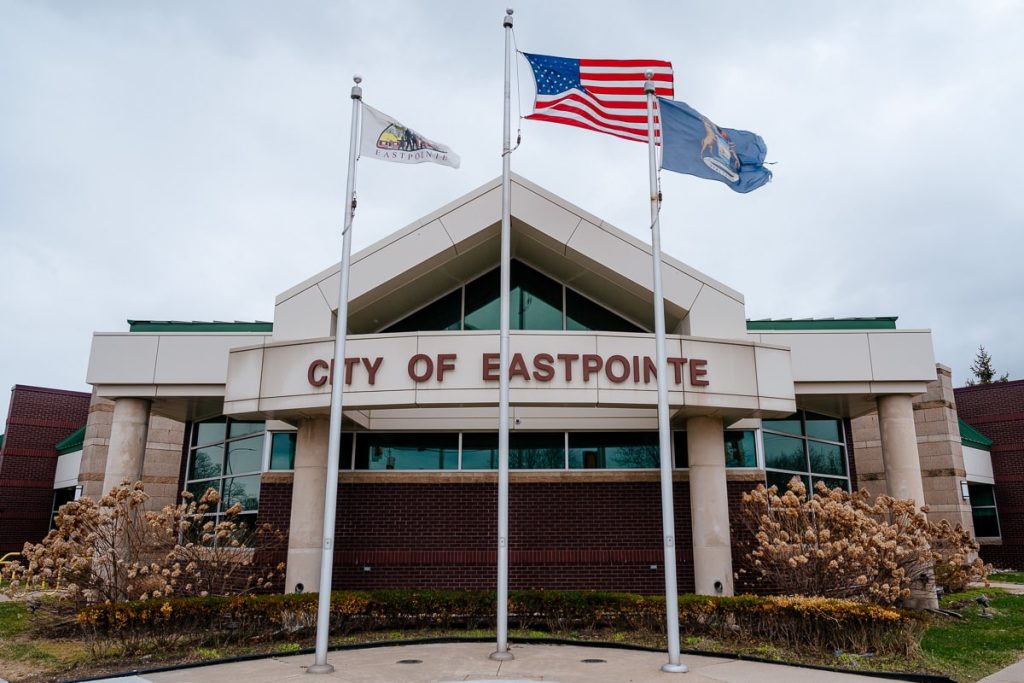
Six southeastern Michigan municipalities are working on building their local economies with support from the Recast Leaders cohort that began meeting this month. With funding from the Michigan Municipal League (The League) Local Economies Initiative, the cohort will host representatives from Eastpointe (Macomb County), Gibraltar (Wayne County), Lathrup Village (Oakland County), Marysville (St. Clair County), Pinckney (Livingston County), and Ypsilanti (Washtenaw County).
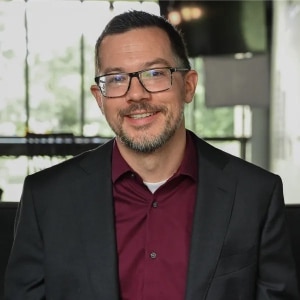
“The League felt the Recast Leaders program was a fit for its Local Economies work,” says Richard Murphy, senior program manager, The League Policy Research Labs. “These communities across the region will be able to launch economic development activities. Communities of any size, from smallest on up, can grab onto the strategies, participate in, and see the results from the Recast approach.”
The nationally recognized Recast Leaders program is offered by Recast Cities, which helps municipalities revitalize their downtowns and local economies through small-scale manufacturing. Recast Leaders has worked with more than 200 cities in 44 states over the past 11 years. Recast Cities founder and CEO Ilana Preuss leads the program.
“We’ve been aware of Ilana and Recast for quite some time. We’ve had her speak at conferences in the past and present on webinars. It’s so great to finally bring her here on the ground, working hands-on with some of our communities,” Murphy says. “The League felt the Recast Leaders program was a fit for its Local Economies work.”
The six communities were chosen from an initial 40 that expressed interest and 12 that submitted full applications to be part of the first Michigan Recast Leaders cohort. The League is sponsoring a seventh municipality, Westland, in the Recast Leaders national cohort.
“We wanted to make sure that we were emphasizing some of those smaller communities that maybe haven’t had a lot of attention from other programs, places where there might be need,” Murphy says. “The six that we chose as the Southeast Michigan-focused cohort might not have the capacity to participate in a program like this otherwise.”
Together, the cohort members will explore how to create successful entrepreneurship opportunities and small business supports within their communities, which The League has found to be the foundation of thriving communities.
“Identifying small product-based businesses or entrepreneurs and supporting them into growth and stability is something that we see as applicable in all of our communities statewide,” Murphy says. “We’re glad to be able to host a cohort here so we can get some work happening in those communities, see some entrepreneurs grow, and show off this approach to the rest of our membership.”
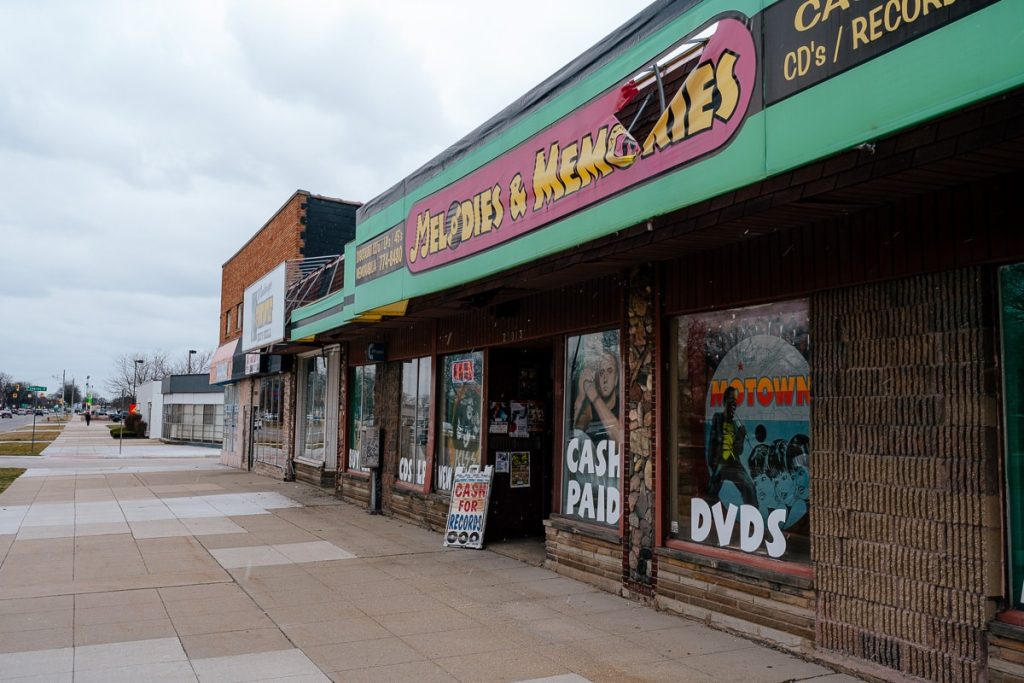
Tangible products as revenue generators
To get started, Preuss sat down and had conversations with representatives from each of the communities to hear where they were at and where they wanted to go. From here on out, the cohort will meet online every other week for 10 months. They will begin with self-assessment and local inventory, build partnerships, put together an action plan, and begin implementing the action plan. Preuss will come to Michigan to meet with the cohort twice during the process, once near the end of the inventory assessment and again to launch action plans.
“We’re working with community leaders to identify these businesses, understand their needs, and then create programs or investments that are responsive to that business sector’s needs. Sometimes it’s about filling vacant storefronts, sometimes it’s about business development training that helps product businesses scale,” Preuss says. “Sometimes it’s a new grant or microloan program that’s really the missing piece, or a storytelling pop-up initiative that needs to happen first.”
Preuss works from the premise that small-scale manufacturing businesses creating tangible products are wonderful revenue generators within a community.
“The work that we do is to both daylight this business sector that’s really never been given the time of day before, and respond to their specific needs in that community within the real estate and political reality of that place,” Preuss says.
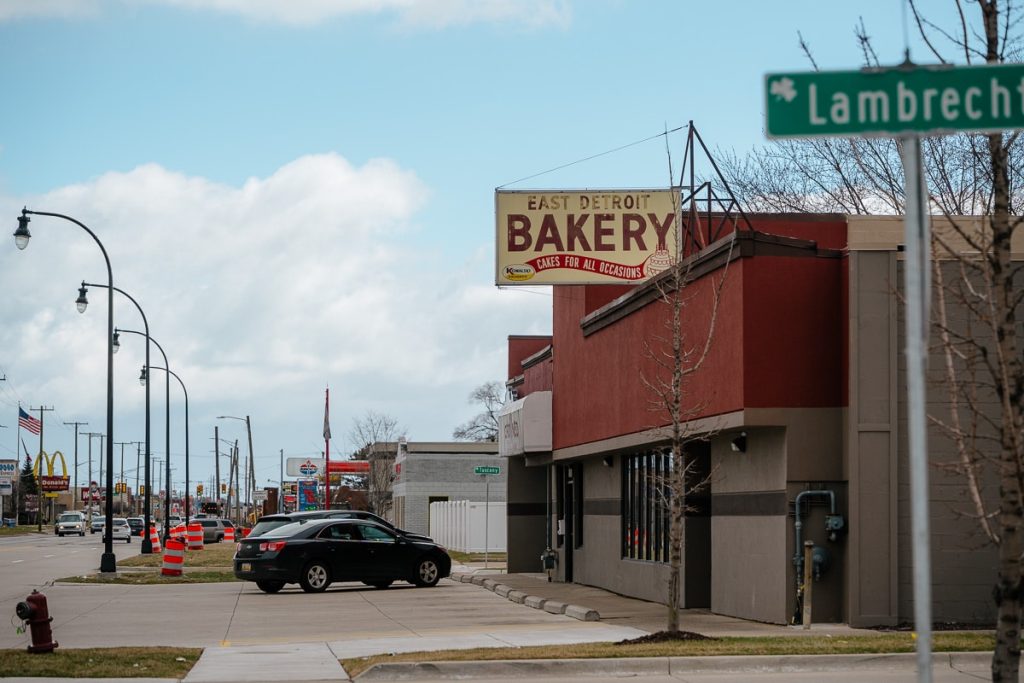
While these businesses may not be dependent on foot traffic, they can work well in storefronts. Consumer products, especially, can draw in foot traffic because people like to see products being made. That, in turn, creates more foot traffic for other businesses in a small community’s downtown or retail districts.
“On top of that, these businesses pay 50% to 100% more than retail or service jobs on average,” Preuss says. “We have a history and a culture of making things from every different part of our population. So it’s truly a business sector that helps create economic mobility for so many people.”
Preuss says the Recast Leaders process works well for local leaders because they’re working with other leaders who are pursuing their own community goals in the same way.
“They’re all experts in something. Every person in the cohort has some expertise that they share, and everybody learns from each other,” Preuss says. “The cohort environment, the group accountability, is really at the front of our work. Every team is seeing the other teams implement their projects, and gets motivated that way.”
A stone soup approach
The Recast approach fits well with The League’s long-standing work on placemaking.
“So much of what The League does for our members is the switchboard function of connecting communities that have similar needs or interests so that they can share and learn from each other. It’s that stone soup approach,” Murphy says. “When you get them in that conversation, they can draw out the wisdom and experience from each other and create more than any one of them could alone. They’re not venturing out on this journey by themselves.”
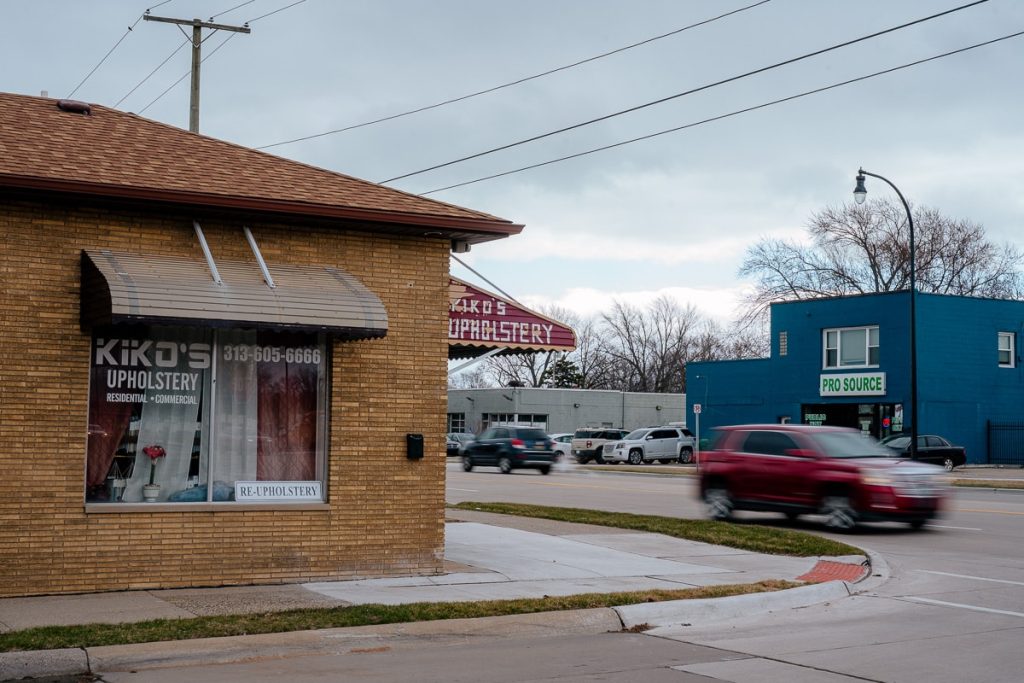
Unique businesses arising out of the local culture are very much part of the community. Local products featured in local businesses’ storefronts foster both economies and local pride.
“These places make Michigan communities a great place for people to visit — those unique shops and products that we find as we travel across the state and discover things,” Murphy says. “The best part of my job, honestly, is getting to visit communities that it would not have occurred to me to visit and finding that everywhere I go is someplace worth going to.”
Photos by Nick Hagen.
This story is made possible with funding from the Michigan Municipal League Foundation, a nonprofit association dedicated to making Michigan’s communities better by thoughtfully innovating programs, energetically connecting ideas and people, actively serving members with resources and services, and passionately inspiring positive change for Michigan’s greatest centers of potential: its communities.
Author

Related Articles
Marine City wayfinding project launches action plan for economic growth
New wayfinding signage will connect four business districts and help boost the local economy.
Indiana health center trains local residents as dental assistants to fill workforce gaps
HealthLinc, a federally qualified health center in Valparaiso, covers training costs while preparing local residents for dental assistant jobs, strengthening workforce pipelines and expanding access to care.
Wixom’s West End Commons project, launching this Spring is empowering downtown and expanding the city’s social district
As West End Commons prepares to break ground, Wixom’s social district continues to serve as both an economic tool and a community bridge.


