
From Code to Creation: LTU students and alumni bring games to life
As LTUX approaches on April 4, creators at different stages come together to showcase their work, navigate challenges, and turn ideas into playable worlds.

The upcoming LTUX expo on April 4 at Lawrence Tech University’s Southfield campus will bring aspiring game developers to grow and connect. There will also be a Smash Bros gaming tournament, a vendor marketplace, food trucks, and a cosplay competition.
For Katherine Tackett, a game software development major at Lawrence Technological University, video games have always been more than a pastime—they’re a way to build worlds of her own. Her journey began in high school with a Python class assignment.
“My dad suggested I try making a game, just to see what happens,” she says. That first experiment led to exploring JavaScript and Roblox, and eventually to LTU’s game development program.
Now in her fourth year presenting at LTUX, LTU’s annual games, esports, and anime expo, Tackett is no longer just experimenting—she’s leading. As head of Daedalus Studios, she and her team are showcasing Moorage, a first-person 3D fishing rogue-lite scheduled for release on Steam later this year.
Leading an eight-person team, scheduling has become her biggest challenge. Compared to last year, she now spends more time managing than developing—but the shift has pushed her to grow in new ways. Despite the added pressure, the payoff comes when players experience the game firsthand.
“The most rewarding thing is when other people play your game,” Tackett says. “Even if they have a few critiques, seeing that they understand the mechanics without me having to guide them through it is great.”
Moments like these, she explains, validate the countless hours spent refining gameplay and storytelling. Early player feedback has already given her team a glimpse of the game’s potential.
“We participated in Steam Next Fest, and we actually got two reviews, and they were both positive, and they were both like, ‘Oh, I really like the characters and I like the gameplay. There’s a few bugs that need to be worked out, but I’m excited to see where this game is going.’ So that’s very rewarding, because it means we’re on the right track,” she says.
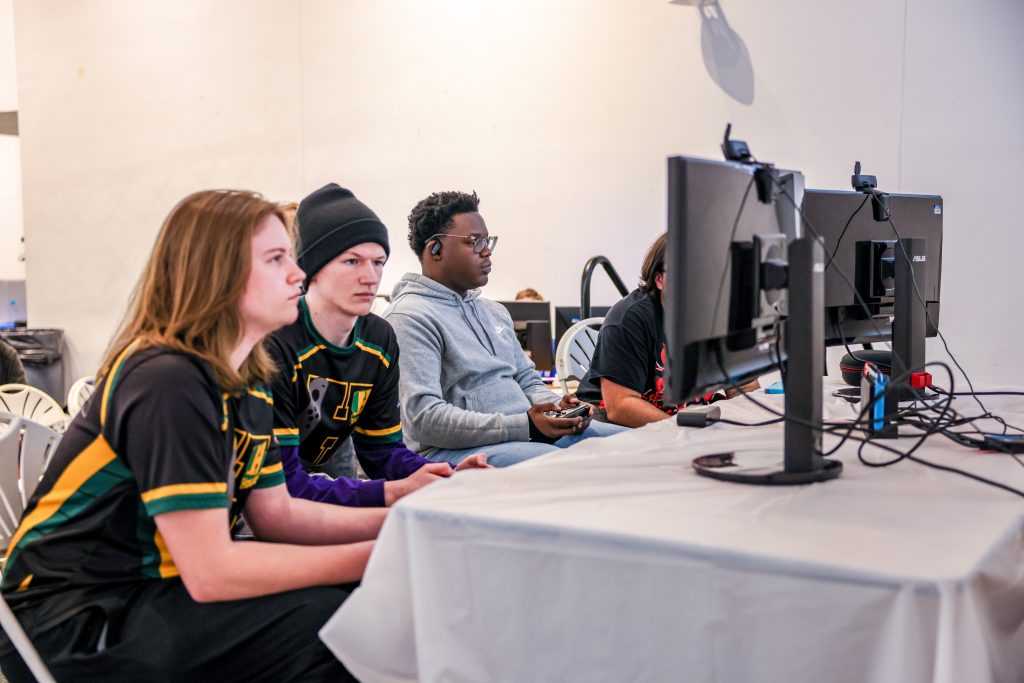
Beyond development, LTUX has also helped Tackett better understand the professional landscape of the industry—particularly the importance of relationships in getting projects off the ground.
“For me, I learned it’s a lot about connections,” she says. “I learned that I prefer indie development, and we’re starting our own indie studio, so that’s less about connections, because I’m starting it, but it’s still important to have those connections. Because when you’re going for publishing, if you know someone that knows this publisher, that’s a good in.”
Those connections have already made a tangible impact. Through relationships built at LTU, Tackett and her team were able to bring earlier projects to market.
“We made two games previously, and both of them were published because we knew one of the professors who had his own game studio. So we published under his name, and he helped us out with that. So, LTUX is really good for getting those connections. Because while there, we were approached by two different people that ran two different conventions. It’s a good gateway into even more events.”
While students like Tackett are building their futures through LTUX, alumni like Evan Kessman are helping shape the platform itself.
Kessman, LTUX president and LTU alumnus, traces his path to game development back to high school.
“I’ve been playing video games my whole life and [game development] has always been a curiosity,” he says. “I’ve always been more on the technical side, so that’s really why I got into the programming side of it. Having the creativity to kind of create these worlds that don’t exist is kind of a cool thrill.”
He first discovered LTU at a college fair and presented his own project—a prison escape game—at LTUX in 2019. That experience proved pivotal.
“That day that we presented at that event, I realized that I had to become involved with it,” he says.
His connection to the event was strong enough that he remained involved long after graduating. Since then, Kessman has taken on a leadership role, overseeing scheduling, vendor selection, and the overall design of the expo.
“In 2020, I got involved, and COVID happened, but I’ve tried to keep it alive since then, and I kind of took charge after a lot of the original runners left the scene,” he says. “ It’s just been a pleasure to see how it’s grown even past the pre-2019 size of the event.”
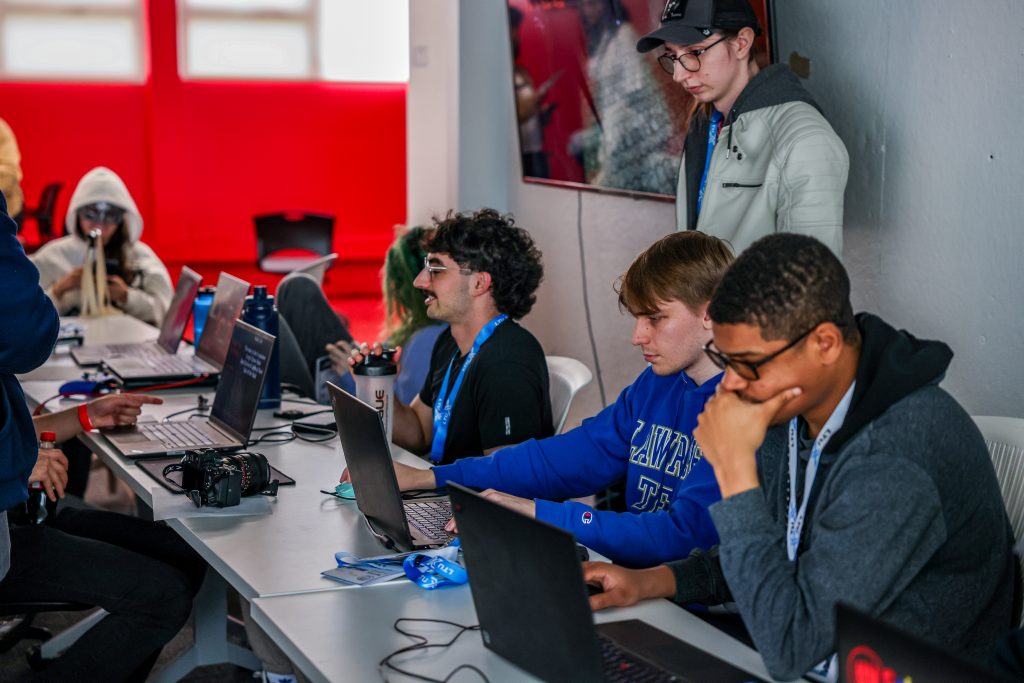
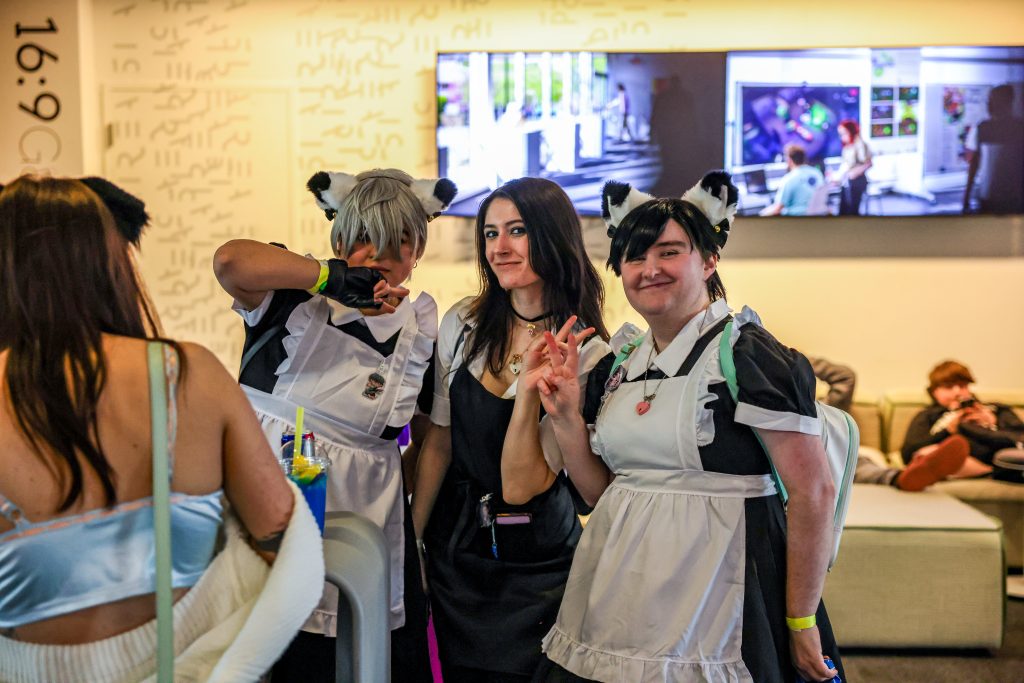
Now, his focus is on expanding opportunities for the next generation of developers. He hopes that by growing the event and increasing industry presence, it will create even more pathways for students to break into the field.
To aspiring game designers, he offers simple advice: “Put your ideas on paper, get them out, and make it a reality. That’s what game making is all about, is making a reality that’s not real and making it into your own imagination.”
This year, LTUX runs from noon to 8 p.m. on Saturday, April 4, at LTU’s Southfield campus. Students like Tackett and alumni like Kessman will be there not just showcasing games, but continuing to build a community where creativity, collaboration, and opportunity intersect.
Author

Related Articles
Shelter availability website has positive impacts for Oakland County shelter providers and seekers
Launched last summer, the Shelter Oakland website has already fielded 3,000 shelter inquiries from 700 families.
Black Girls Do Science sparks a new generation of women in STEM
Bryne Berry, founder of Black Girls Do Science, created the nonprofit to expand access and representation, empowering and exposing girls of color to the STEM fields to reduce racial and gender gaps.
Partner Partner Content “When I grow up.” Inspiring kids to dream big about careers in health care
These collaborations show how growing interest in health care careers can begin early.


