
A fascinating look at Dearborn’s diversity
Writer Daniel Denvir does a deep dive into the character and controversies surroundings Dearborn's Arab-American culture. From the ugly anti-Muslim agendas of bigots to the city's unique culture of assimilation, the article is a must-read. Excerpt: "When Henry Ford moved production to Dearborn's vast Rouge plant, Muslim workers followed—though the Arab-American population was still largely Christian. The city's American Moslem Society, founded in 1938, is now the area's oldest continuously operating mosque. Chaldeans, Iraqi Catholics who often do not identify as Arabs, joined a tide of more well-to-do immigrants after World War II. After 1970, Muslim immigrants arrived from Iraq and Yemen, alongside many Lebanese fleeing that country's bloody civil war. The Gulf and Iraq wars have dispatched a new wave. The immigrants have found opportunities in a changing and troubled local economy, excelling in the sort of small business entrepreneurship that Jewish immigrants, and earlier Arabs, had skillfully managed a generation before. In Detroit, Chaldeans run most supermarkets and liquor stores, in part because they were tasked with handling alcohol in Muslim-majority Iraq. Lebanese own many gas stations." Read the rest here.
Related Articles
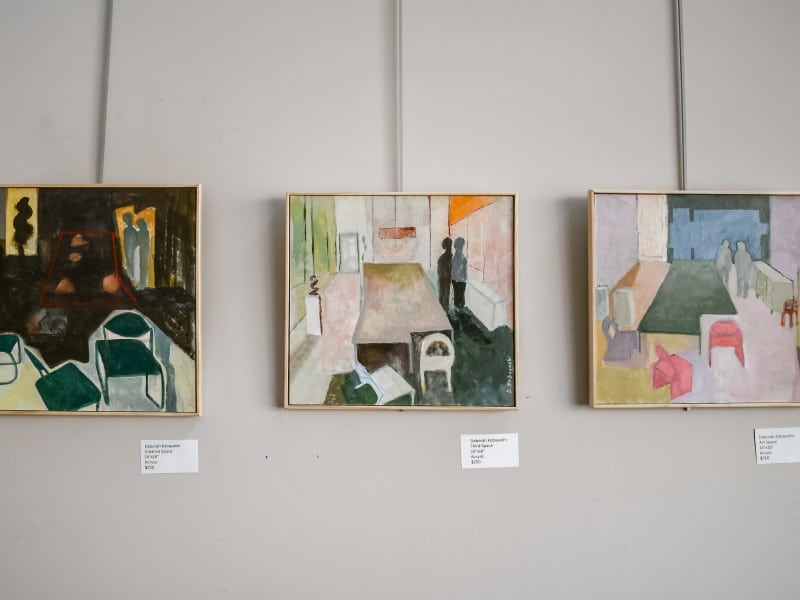
In Photos: Ferndale’s ‘Spring into Art’ highlights local artists for Art March
Metromode explored Ferndale’s Art March initiative by attending the “Spring into Art” event on March 20 that displayed paintings, sculptures and other media created by local artists.
Recast Leaders aim to revitalize local economies
This Recast City program has worked with more than 200 cities in 44 states over the past 11 years.
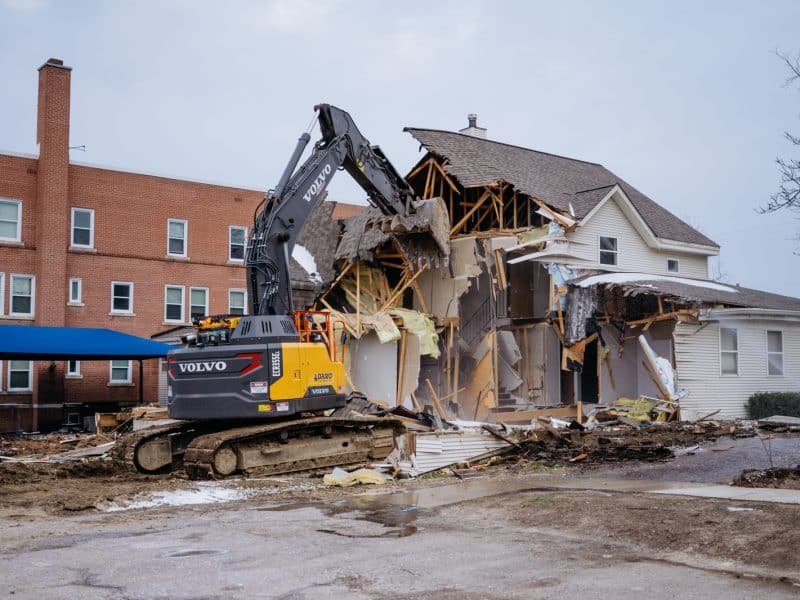
Shelter beds will more than double at Pontiac nonprofit Lighthouse as it redevelops campus
A redevelopment project at Pontiac-based Lighthouse will add a new homeless shelter and many improved services for people experiencing homelessness.


