
Early identification of disabilities critical for Michigan’s littles
Consistent access to early intervention for Michigan kids with learning disabilities and developmental differences is vital, yet often out of reach.


Consistent access to early intervention for Michigan kids with learning disabilities and developmental differences is vital, yet often out of reach.
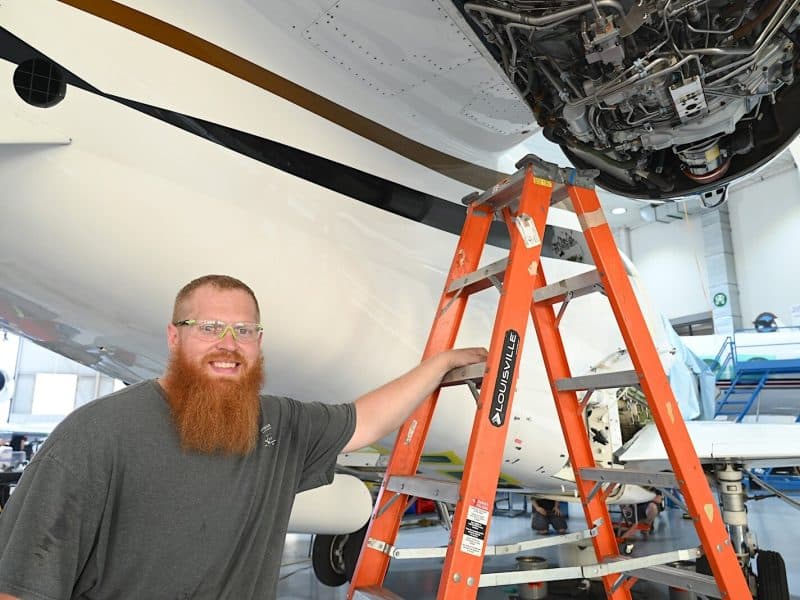
Expanding access to affordable, high-quality early care and education could support working parents, strengthen the state’s labor market, and promote gender equity.
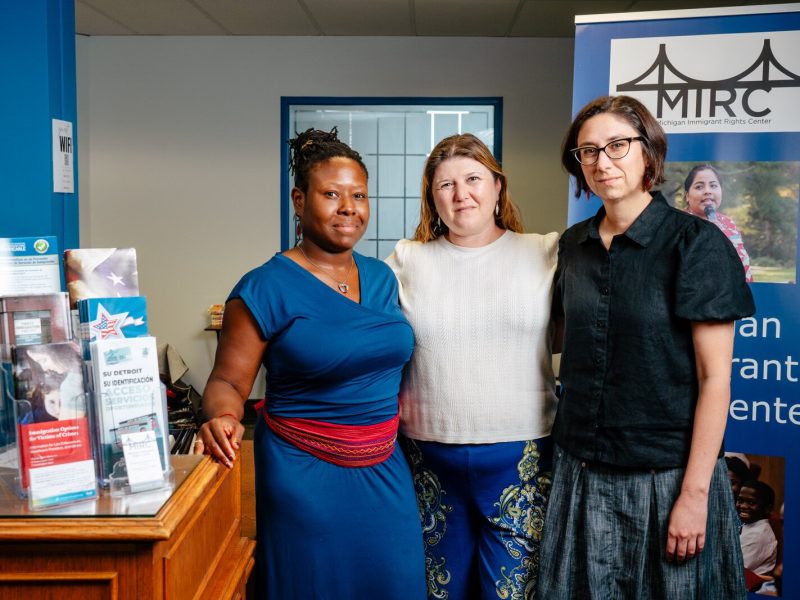
Community-based organizations report that approximately 15% of students withdrew from preschool programs within weeks due to immigration enforcement activity.
Community-based organizations report that approximately 15% of students withdrew from preschool programs within weeks due to immigration enforcement activity. Advocates and policy researchers attribute these shifts to the growing climate of fear among immigrant families in Michigan.
Community-based organizations report that approximately 15% of students withdrew from preschool programs within weeks due to immigration enforcement activity.
En 2024, los educadores de la primera infancia en el suroeste de Detroit observaron una caída significativa en la inscripción preescolar tras el aumento de la actividad de control de inmigración. Aunque el descenso no fue documentado oficialmente en ese momento, las organizaciones comunitarias informan que aproximadamente el 15% de los estudiantes fueron retirados de los programas preescolares del área en cuestión de semanas.
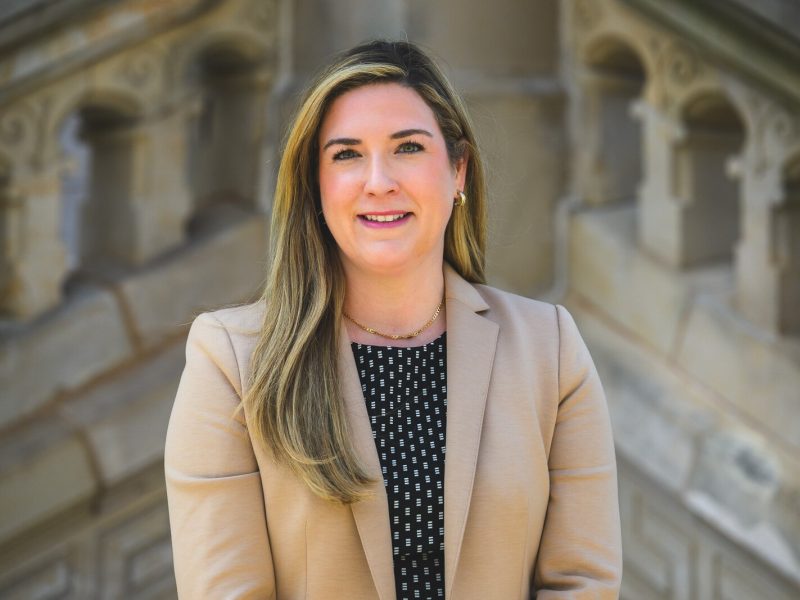
Michigan's hospitals and community mental health agencies are working together to address gaps in behavioral health care that contribute to long emergency department stays and delays in treatment. Several recent initiatives aim to improve care coordination and create new models of crisis response.
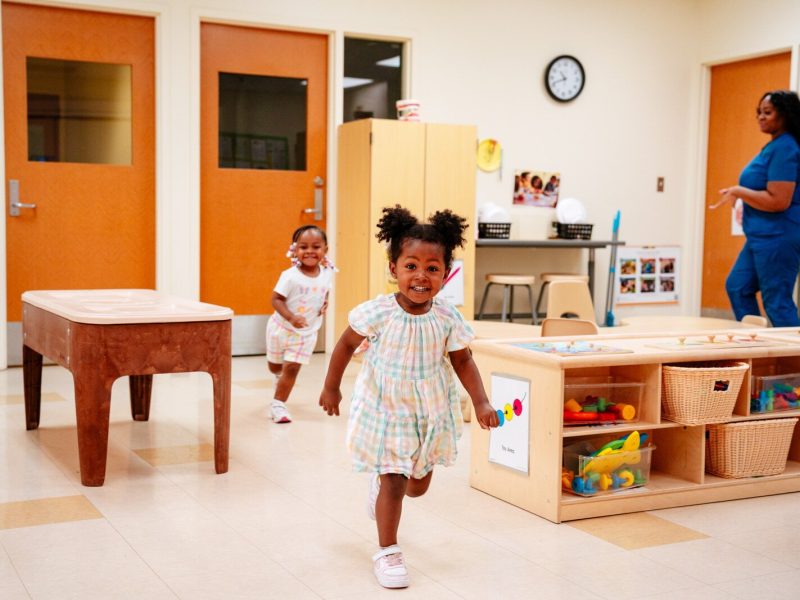
As Head Start marked its 60th anniversary this past May, the program’s legacy stands as more than a historical benchmark. It offers a powerful example of how early learning can drive equity, resilience, and long-term impact.
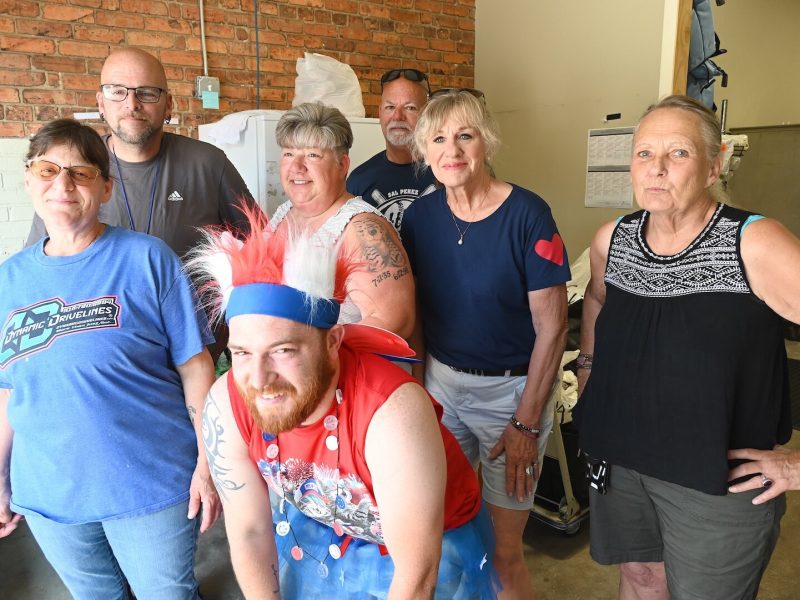
Across Michigan, community mental health (CMH) agencies are expanding their reach through partnerships with local organizations that address housing, transportation, and other barriers to care. These collaborations aim to create a more coordinated and accessible mental health system, particularly for individuals with complex needs.
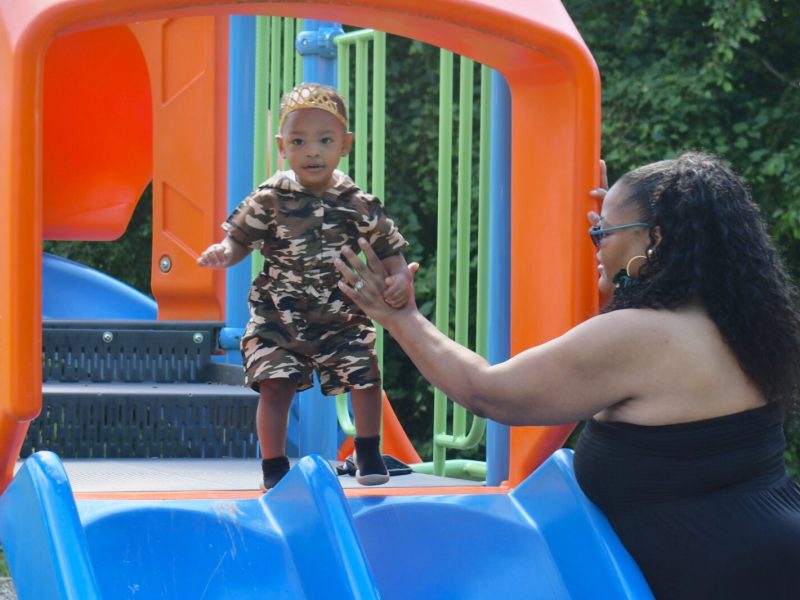
Rx Kids, the country’s first universal and unconditional cash prescription program for pregnant people and infants, provides financial support to every eligible family within a geographic area, no income requirements, no strings attached. Families receive a one-time $1,500 payment during pregnancy and $500 per month during the baby’s first year of life.
Our Partners


