
Guest Blogger: John Austin
John Austin is our guest blogger this week. John is a non-resident senior fellow at the Brookings Institution and vice president of the Michigan State Board of Education. Check back here every weekday for new posts.Send your comments to feedback@metromodemedia.com
John Austin is our guest blogger this week. John is a non-resident senior fellow at the Brookings Institution and vice president of the Michigan State Board of Education. Check back here every weekday for new posts.
Send your comments to feedback@metromodemedia.com
02.08.07
Post No. 1
The Brookings Institution Metropolitan Policy Program, in partnership with leaders throughout the region, is engaged in a multi-year initiative to improve the economic vitality of the Great Lakes region.
 Stretching west from the Alleghenies of New York, Pennsylvania and West Virginia, along the Ohio and Mississippi River Valleys and upward through the Great Lakes, on into eastern Minnesota, Wisconsin, Iowa, and Missouri, this region shares not only a common geography but also an important economic and social history.
The economic opportunities and challenges for these states and communities –“tarred” with the Rust Belt label– are tremendous. These realities are summarized in a framing report entitled The Vital Center: A Federal State Compact to Renew the Great Lakes Region.
I want to take this week to tick off the major highlights, offer some recommendations for action, and invite your help in moving our economic revitalization effort along.
The Great Lakes region, and the people who populated and developed it, led the industrial and agricultural revolutions, pioneering innovations from the auto to the Internet, the airplane to the interstate, the labor movement to the land-grant university.
While ruling the industrial era, the economic primacy of the region has diminished during the past generation, as its manufacturing based economy has been exposed to intense global competition.
Yet, the region retains huge assets that can contribute to its economic re-birth and to our nation’s overall competitiveness.
As I will lay out this week— we are the largest generator of talent and highly educated people in the world; a vital center of innovation and research and development in nationally vital economic sectors.
Our water and natural resources are a unique platform that can afford sustainable economic growth.
With a highly integrated bi-national economy and a trading relationship with Canada, we are the only US region poised to create a functioning international economic “super-region” to rival those in the EU, Asia and elsewhere.
Through state, regional and federal policy actions, these assets can be leveraged to support economic growth in today’s knowledge led economic-era.
Related Articles
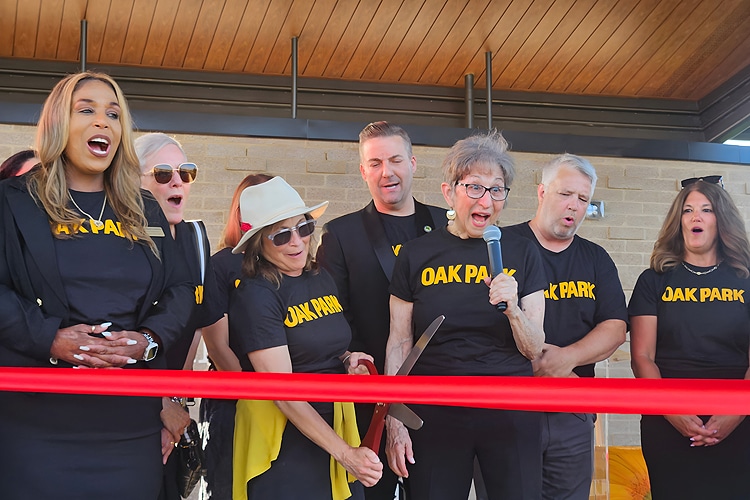
Oak Park opens new event hub, celebrates years of community investment
Oak Park looks ahead after fulfilling promises to residents on the Elevate Oak Park initiative.
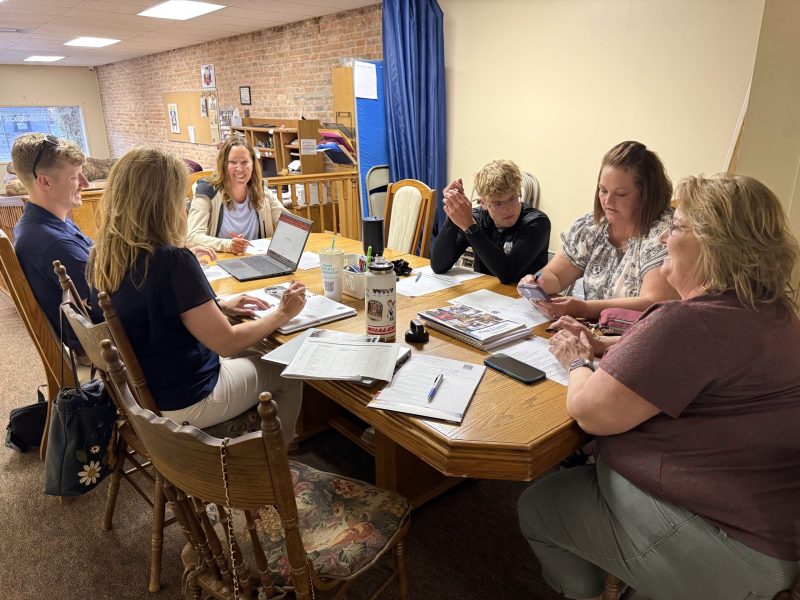
Yale’s Heart & Soul Project puts residents at the center of community planning
For the past year, volunteers in Yale have been collecting stories and ideas from residents that organizers hope will eventually shape future community priorities.
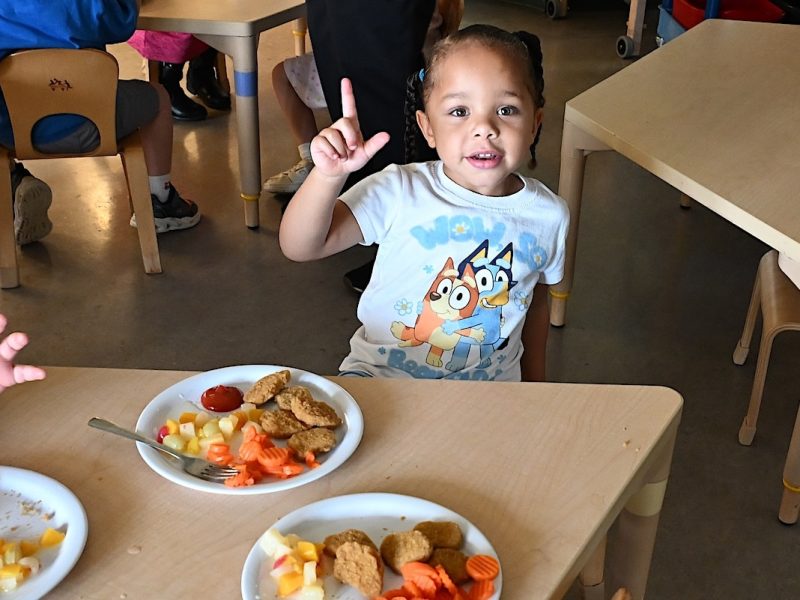
The Farm Bill, SNAP, and the childcare connection
SNAP helps families meet all basic needs, including childcare.


