
Collaboration Over Competition: How Downtown Farmington’s community spirit earned national acclaim
From sharing ingredients to using the Syndicate social district, local business owners are coming together as a community to continue driving economic success.
This story is part of a series supported by the Farmington DDA that focuses on what’s new in Downtown Farmington.
When Michigan’s winter skies are gray, and most downtowns slow down after the holiday hustle, Downtown Farmington remains active. The energy here is about more than business. It’s about people connecting.
This special atmosphere has caught people’s attention. Downtown Farmington was recently named a national semi-finalist for the Great American Main Street Award (GAMSA) from Main Street America. For business owners on Grand River and Farmington Road, the nomination just reflects their daily experience.
People who work here know why Farmington is so lively; it’s because everyone believes in working together instead of competing.
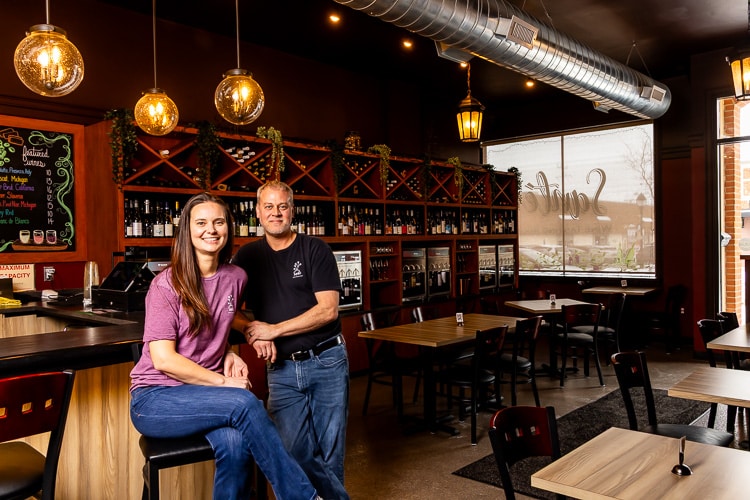
Clint Fetzer, who owns Santé Wine Bar, sees this mindset as the core of his business, not just a slogan. In hospitality, mainly with wine and spirits, many see competition as a win-or-lose situation. Santé Wine Bar does things differently.
“Our culture of ‘collaboration over competition’ comes from something deeply rooted in why we opened our doors: we love this community and wanted to help strengthen it,” Fetzer explains. “From day one, our mission wasn’t just to pour great wine—it was to help elevate the place we call home.”
Fetzer says running his business alone and competitively would go against what inspired him to start. He also knows that one company can’t change a town’s culture alone. It takes many business owners with the same mindset.
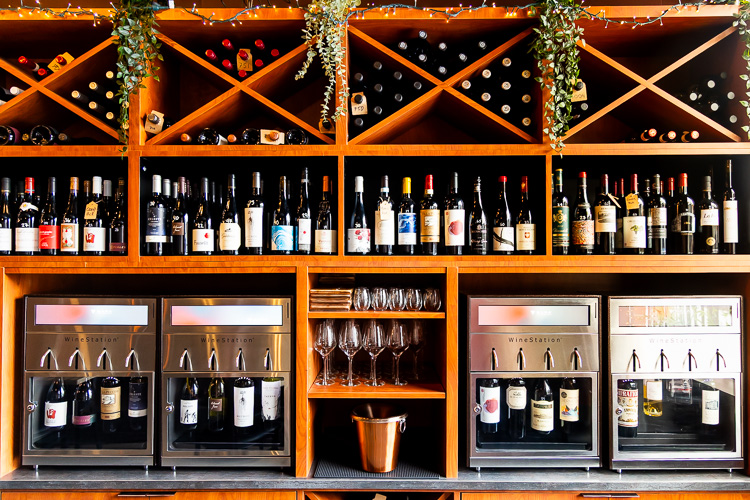
“The truth is, we could never create a collaborative environment on our own,” Fetzer says. “It only works because we’re part of a downtown filled with businesses that embrace the same mindset and show up for one another every day.”
This teamwork really benefits customers. When people visit Santé, they’re not just at a wine bar; they’re part of a network. Businesses often promote each other, share resources, and plan events together. Fetzer says this creates an atmosphere that feels “warm, thoughtful (not transactional), and uniquely Farmington.”
“The ripple effect is real: stronger businesses, a more vibrant downtown, and a deeper sense of belonging for everyone who visits,” he adds. “When the community thrives, everyone thrives.”
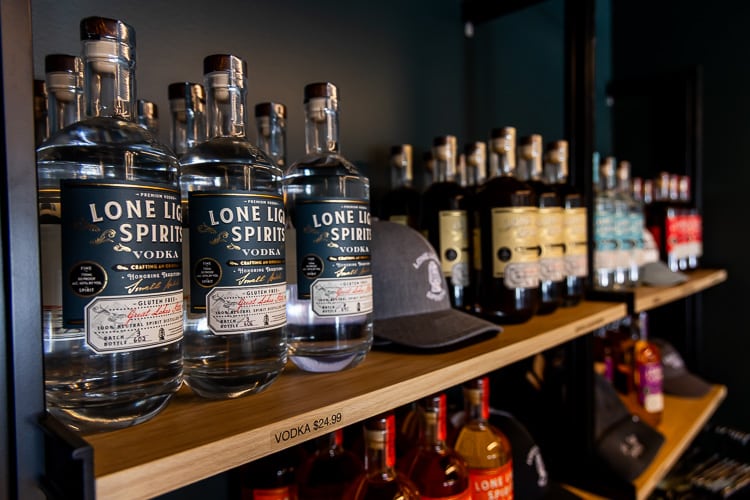
Santé Wine Bar demonstrates the spirit of collaboration, and Joe Lordon, who owns Lone Light Spirits, puts it into action. Lone Light is a craft distillery known for its unique, high-quality drinks. Instead of looking for faraway suppliers, Lordon works with local businesses like Ground Control and Spruce & Ash to make his products better.
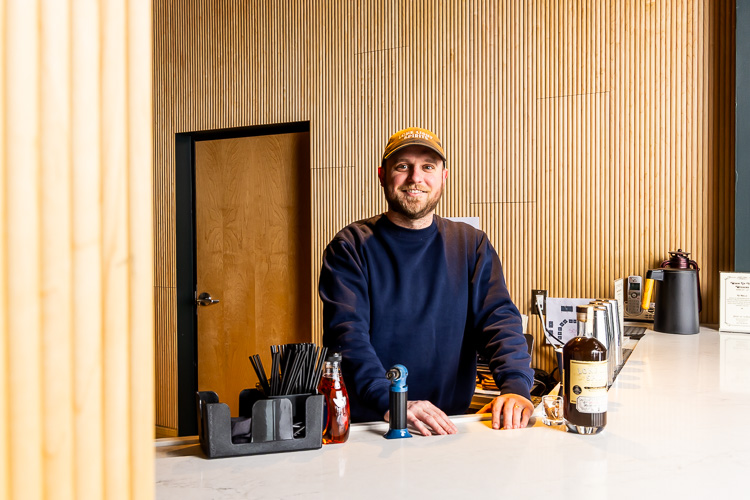
“Whenever we set out to create a new product, the first priority is ensuring that it will be something high-quality and unique,” Lordon says. “In Farmington, we are lucky to have so many amazing small businesses creating premium products, so partnering with them to create our spirits and cocktails is a no-brainer.”
Lone Light Spirits uses ingredients from several businesses located just a few blocks away from their tasting room.
“We source products from a variety of businesses within a couple blocks of our tasting room, including Ground Control, Spruce & Ash, and Dolcetto to produce our premium offerings that could never be reproduced anywhere else,” Lordon explains.
Lone Light uses coffee from Ground Control and botanicals from Spruce & Ash to make drinks that capture the city’s unique flavors.
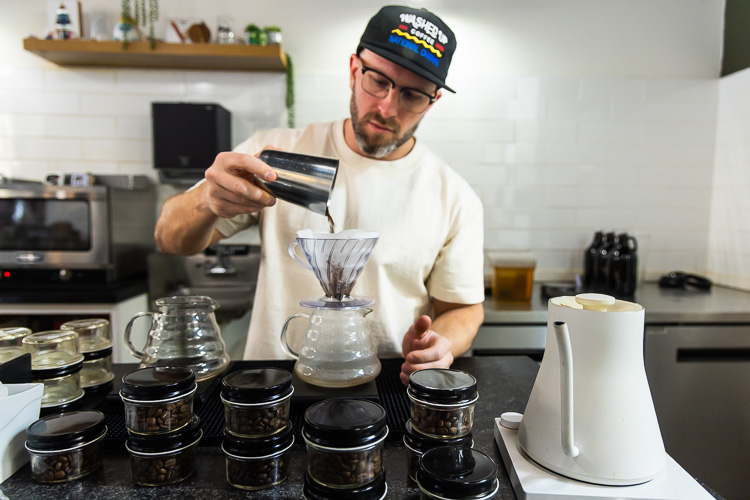
The support doesn’t stop once the spirits are made. Lone Light donates its used bourbon barrels to Heights Brewing, which uses them to make beer. This creates a cycle that links the businesses. For customers, a night out in Farmington means enjoying drinks with shared ingredients and stories.
The recent nod from the Main Street Now Conference as a semi-finalist has put a national spotlight on this local ecosystem. For the business owners, it serves as confirmation that their “main street” approach works.
“Downtown Farmington is truly a ‘main street’ city, where the success of each business is tied to the success of the whole district,” Lordon says.
He sees the recognition as a reflection of the hard work business owners put in every day.
“The recognition reflects what business owners like us experience daily: a downtown where collaboration is natural, community pride is strong, and the environment is intentionally designed to help small businesses flourish.”
Lordon, who is new to the community, noticed this energy even before he opened his business.
“As one of the newer businesses in the community, I certainly felt the energy the first time I walked the sidewalks when looking for a space to set up shop. There was a momentum that was evident, and we are not showing any signs of slowing down.”
Lordon notes the vibrant business district, neighborhoods, and parks, which encourage those who haven’t visited in a while to “come see what the town has transformed into.”
“Now is a great time for newcomers to see all that Farmington has to offer,”
Michigan winters are brutal for downtowns because the cold keeps people at home. But Farmington’s Social District, called The Syndicate, and its walkable streets have turned winter into a chance for people to connect instead of staying inside.
The Social District allows people to buy alcoholic drinks from participating businesses and walk around a shared area. This has brought more people to different spots, from bars to bakeries like Chocolate Chipped.
“The Syndicate social district has been a great way to bring in customers who might not have otherwise thought to visit our establishment,” Lordon explains.
It lets guests go to events, visit parks, or shop while enjoying a to-go cocktail. Someone might grab a drink from Sante, pick up a cookie from Chocolate Chipped, and enjoy both while walking downtown. This helps each visit feel more connected.
“It helps keep customers coming in during these slower months,” Lordon adds.
He remembers a recent moment that really shows what makes the Social District special.
People often say Farmington’s “small-town charm” is a big draw, but Fetzer says it’s more than just a look. It’s something people do, and it’s why visitors stay longer.
Fetzer shares a memorable example of this charm, recalling a night with blizzard-like weather.
“Just recently, we had three sisters visit during blizzard-like conditions,” he says.
“Two sisters lived locally, and they wanted to share our space and the charm of Downtown Farmington with their sister who lives out-of-town.”
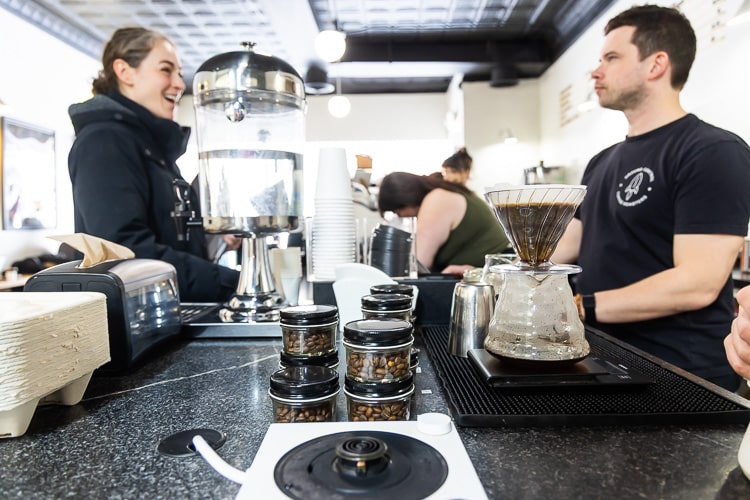
The weather was rough enough to keep most people indoors, but downtown’s appeal brought them out anyway.
“They likely would not have braved the weather if Downtown Farmington did not have something special to offer,” Fetzer observes.
As Downtown Farmington waits for the results of the Great American Main Street competition, local businesses already feel like winners. They’ve built a strong local economy by making neighborliness a key part of their business.
For Fetzer, the recognition is nice, but what really matters is the town’s atmosphere.
“Authentic small-town charm isn’t just an aesthetic—it’s a feeling and a way of showing up for one another that you can sense the moment you arrive,” he says. “And for business owners, it’s the foundation that makes collaboration, creativity, and community pride not just possible—but natural.”
Whether it’s a bourbon barrel moving from Lone Light to Heights Brewing, a customer carrying a Chocolate Chipped box and a Santé wine cup, or Ground Control’s ingredients in a cocktail, these businesses are all connected. In Downtown Farmington, when one business does well, everyone benefits. Sometimes, being kind is the best business strategy.
“That’s the reality in Downtown Farmington,” Fetzer concludes. “And now the rest of the country gets to see it too.”
Author

Related Articles
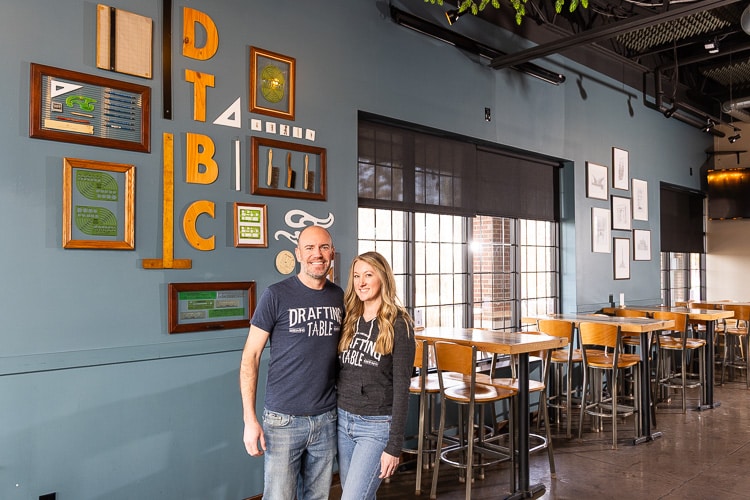
Wixom’s West End Commons project, launching this Spring is empowering downtown and expanding the city’s social district
As West End Commons prepares to break ground, Wixom’s social district continues to serve as both an economic tool and a community bridge.
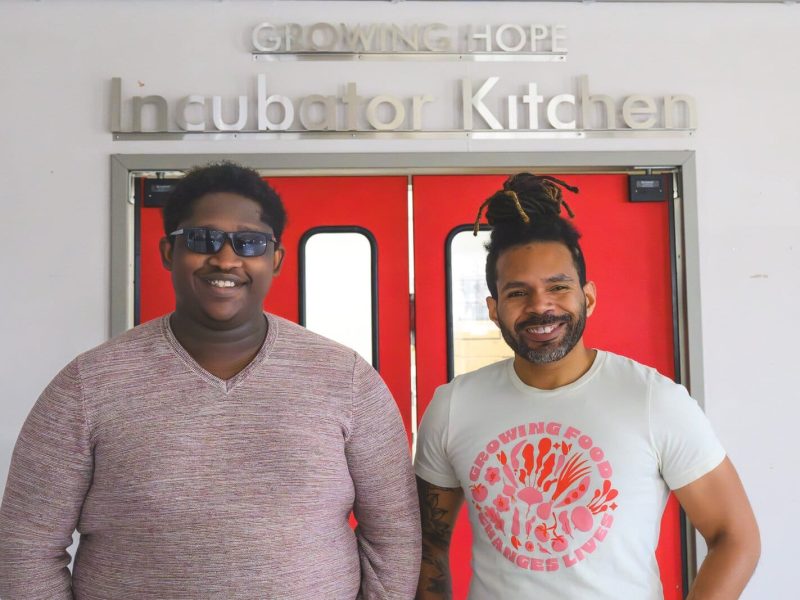
Nearly $300K in Seed Awards bolster Michigan’s local food and farming
Nearly $300,000 in Seed Awards from the Michigan Good Food Fund will support 18 food and farm businesses across Michigan, helping small, locally rooted operations grow and improve food access.
Partner Partner Content Supporting Community Members in Crisis: Substance use recovery support in Macomb County
Across Macomb County, MCCMH puts people first. The team works to break down stigma by showing up in our community and reminding residents that SUD services are always within reach, regardless of income or insurance status.


