
Habitat for Humanity aims for platinum LEED certification for newest house
Habitat for Humanity is known for its sustainable practices, but now the nonprofit is making a name for itself for its latest sustainable building.Habitat for Humanity of Oakland County recently finished work on a new house in Pontiac, 457 Ferry St. What makes this house standout from the other thousands that Habitat has built over the years is that it is going for platinum LEED certification.”It’s a first for Habitat for Humanity and Southeast Michigan,” says Sally LePla, executive director for Habitat for Humanity of Oakland County. The 1,200-square-foot ranch house, funded by Chrysler Financial and Gontina Building and Design, cost about 15 percent more than the average Habitat for Humanity home. However, it will create about 30 percent energy savings for its residents annually. That can mean about $1,000 per year in energy savings. The house utilizes a number of eco-friendly materials such as siding from Auburn Hills-based Microposite, bamboo and cork flooring, structural insulated panels and passive solar design strategies. It also uses energy efficient windows, is thoroughly insulated and uses Energy Star fixtures. Habitat for Humanity also used recycled materials, purchased them locally and minimized the amount of waster, recycling whatever it could. Source: Sally LePla, executive director for Habitat for Humanity of Oakland CountyWriter: Jon Zemke
Habitat for Humanity is known for its sustainable practices, but now the nonprofit is making a name for itself with its latest sustainable building.
Habitat for Humanity of Oakland County recently finished work on a new house in Pontiac, 457 Ferry St. What makes this house standout from the other thousands that Habitat has built over the years is that it is going for platinum LEED certification.
“It’s a first for Habitat for Humanity and Southeast Michigan,” says Sally LePla, executive director for Habitat for Humanity of Oakland County.
The 1,200-square-foot ranch house, funded by Chrysler Financial and Gontina Building and Design, cost about 15 percent more than the average Habitat for Humanity home. However, it will create about 30 percent energy savings for its residents annually. That can mean about $1,000 per year in energy savings.
The house utilizes a number of eco-friendly materials such as siding from Auburn Hills-based Microposite, bamboo and cork flooring, structural insulated panels and passive solar design strategies. It also uses energy efficient windows, is thoroughly insulated and uses Energy Star fixtures.
Habitat for Humanity also used recycled materials, purchased them locally and minimized the amount of waster, recycling whatever it could.
Source: Sally LePla, executive director for Habitat for Humanity of Oakland County
Writer: Jon Zemke
Related Articles

The Tuba in the Laundry Room
In a southwest Detroit basement, a brass and wind band rooted in Mexican tradition has gathered to rehearse for more than 25 years.
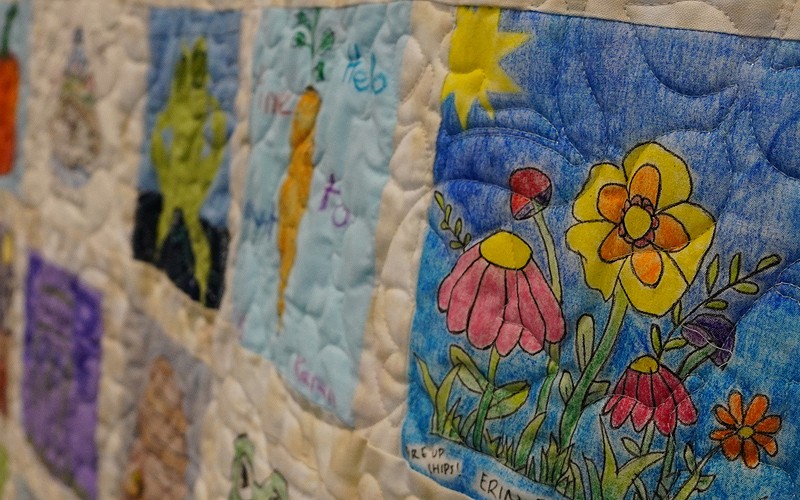
Oak Park celebrates another big win with mParks’ award for new quilt program
Oak Park has won the mParks Innovative Programming award two years in a row. This year, it won for a community quilting program called Rooted in Community.
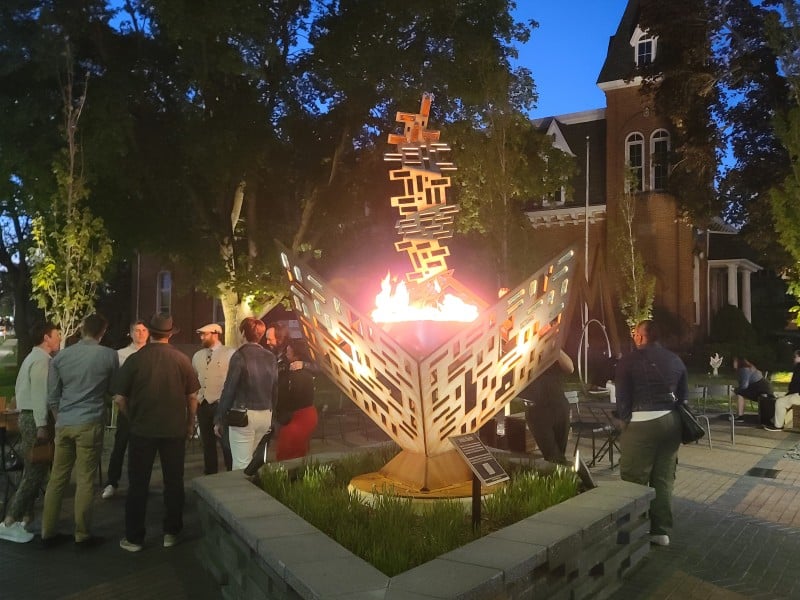
Partner Partner Content Main Street Farmington earns 2026 Great American Main Street Award
“The community of Farmington, Michigan, has demonstrated how visionary leadership, strong partnerships, and a deep appreciation for place can transform a historic downtown into a vibrant destination.”


